Tips For First Time Transit Users

Tips For First Time Transit Users

(A Bus in Downtown Vancouver by Albert Stoynov, Unsplash License)

As someone that commutes frequently, I know how difficult it can be to deal with transit. The first few times I used it, I panicked and relied on my friends and family for guidance every step of the way. While they can be a great resource, not everyone knows where to begin, and that’s okay! Using transit can feel like a maze no matter how experienced you are. So, here are some tips from a transit pro for your first trip and beyond!

TransLink Compass Card by GoToVan from Flickr, CC BY 4.0

What is a Compass Card and how do I use it?

First things first: a Compass Card will likely be your main form of payment, so it’s probably best to know what it is. There are other forms of fare (eg. tickets, cash…), however if you’ll be in Vancouver for over a week, a Compass Card will likely be the most convenient option. So, what is it?

Well, it’s a type of fare that can be bought for $6 AND reloaded through these options:

  • The Compass website
  • Any Compass Vending Machine (locations here)
  • Over the phone at 604-398-2042
  • In-person: here and at the UBC Bookstore

U-Pass or regular fare

As a student, certain universities (including UBC) will provide a monthly U-Pass, which can be accessed here:

  1. Select your school
  2. Access with your institution’s login information
  3. Link a Compass Card

Request (monthly) email/text reminders if desired!

Another option is to opt out of the provided passes and instead load money onto the card as:

  • Stored Value: a set amount of money that can be loaded onto the card to be used at any time – best for infrequent commuters!
  • Day/Monthly Passes: a purchased (or pre-purchased) pass for the day or month – best for frequent commuters!
TransLink Bus by GoToVan from Flickr, CC BY 4.0

Zones and tapping in/out

When purchasing Day/Monthly Passes, it’s important to note the zones. But what does that mean? In short, zones are a way to calculate the price of a trip depending on the geographical location (one-zone or two-zone).
– Zone 1 outlines the border of Vancouver
– Zone 2 outlines the borders of Richmond, New Westminster, and Burnaby
– Zone 3 runs along the entire North Shore.
To learn more about zones, TransLink has all the nitty gritty details here!


Another thing to note is where to tap your card, and when. In BC, the tapping stations will be marked by the blue Compass logo–just gently place the card on top and wait for the green checkmark. While getting on a bus, one tap is enough; for the SkyTrain, SeaBus, and West Coast Express, tap both in AND out.

Didn’t buy a Compass Card? Tap a credit card instead! A single tap also lasts for 90 minutes, so don’t worry! It won’t charge again within the timeframe. And finally, after thanking the driver, your first trip is complete! I like to plan ahead using Google Maps and the Transit app. Another helpful tip for your first trip is to check for any delays or reroutes! A lot to process, I know, but hopefully this will make your first ride a breeze. Let us know about your transit adventures in the comments below!

Tips to Prepare for Courses Effectively – Part 2

This blog post is part of a series! Be sure to check out part 1 for even more tips.

When a new term begins at UBC, you have a brand new class timetable, the courses on Canvas start appearing with their long syllabi and your inbox has many welcome emails from your professors. Personally, I find myself still having doubts about my course timetable – I wonder if I can make it to every class on time and if the breaks are long enough to keep my energy up. It can be difficult to know how to correctly approach an instructor.

Here are some of the things I always do to ensure I have a smooth start to the term. 

Make sure that the class schedule and locations work for you 

At UBC, classroom locations can be found on the course schedule in the Student Service Centre. Go to your course and click on the room number to see the address, map, classroom photos, and other information. You can also search for the building or classroom at maps.ubc.ca. I like to use Google for directions and to see how long it takes to get from one building to another.  Undergrad classes at UBC often last either 50 or 80 minutes, leaving 10 minutes between each class.

Some other things I factor into my plans:  

  • Leaving time to ask the professor a question after class. 
  • Packing up to leave the classroom can take a few minutes, especially after finishing an exam.  
  • When the buildings are far from each other, it might be over a 10-minute walk! When I have two classes back to back, I might consider registering for a different section. 

I make sure to give myself enough time during the day to rest, have meals, do some schoolwork, and participate in non-academic commitments. For example, I prefer morning and early afternoon classes. I leave time between 12 and 2 PM to have lunch; I also like to have another small gap between lectures in the morning to relax for a bit. This also gives me more time in the evening to do extracurricular activities, study, and rest. 

Contact the instructor 

As soon as I have any questions about the class, I ask the instructor. I like to have at least a short conversation with my instructors around the beginning of the term to clarify any doubts about the content. Talking to instructors also makes it easier for them to remember you in class.  

Remember to address them (e.g. with titles like “Dr.”) and contact them (find the right email address, check when they have office hours, etc.) according to their preferences, which are usually on the syllabi. Emails are good for quick questions, short messages, and anything urgent. Office hours are great for complex questions and anything that requires a discussion. If you don’t have questions, office hours are also a great time to drop by to meet the instructor, discuss class topics, and ask for advice related to the course and discipline. 

I hope my tips are useful to you this term. If you have more, share them below!

Tips to Prepare for Courses Effectively – Part 1

The beginning of a term is always an exciting time for me – it’s like a breath of fresh air to start learning new, interesting topics and doing this after reflecting on how the last term went. However, all the new information can be a bit overwhelming. 

After experiencing many “beginning of the term” times throughout my years at UBC, here are the things that I keep in mind to ensure that I have an amazing term! 

Prepare before the first day 

Many courses require that students enter with previous knowledge from past courses. Sometimes, I remember everything well, so I only do a quick review of a section or two. If I require more preparation, I review the main topics and ideas of a past course with old textbooks and assignments. The professor might also share material and exercises by email or on Canvas, such as a ‘math refresher’ to brush up on your math skills or past assignments and exams from a prerequisite course. 

Read the Syllabus

It is important to read the entire syllabus since it contains tons of essential information about the course! Here are the sections I especially find important: 

Course Description and Objectives  

This is a great summary of the content and learning goals. It also indicates the most important concepts and aspects, which can help you study better and provide insight on how to approach assignments. 

Grading Breakdown 

This list shows each graded component (e.g. midterm, assignment) and how much each one weighs for the final grade. 

This is useful to know how much time and resources to put into each component. For example, if an assignment is worth 50% of the final grade, I make sure to spend a lot of time working on it! 

This is also a great place to quickly check that you aren’t forgetting about any graded components. For example, sometimes participation in class is graded. 

Course Schedule / Structure 

The section includes important dates and lists the course contents and activities. 

  • I recommend writing down the dates! I use a calendar to write down all the exam dates and assignment deadlines. 
  • Check if the contents and pace of the course match your learning style and goals. See if the course is right for you or, in the case that it’s mandatory, if a section with another professor who has a different approach might be a better option. 
  • If I miss class, I use this section to see what was taught that day’s lecture. The content list is also helpful for knowing what to study for the exam. 

I hope these tips help make the first few days of your term less hectic! Do you have other tips to prep for the term? Share them below.

This blog post is part of a series! Come back next week to check out part 2 for even more tips. 

Goal Setting

Learn
OpenClose
Reflect
OpenClose

Reflect

Apply
OpenClose

Apply

Explore
OpenClose

Explore

Websites & Videos

UBC Resources

Career Goals Toolkit (Website, UBC Sauder)

This toolkit from the Sauder School of Business introduces different strategies to tackle big goals.

UBC Career Centre (Website, UBC)

UBC Career Centre offers a variety of services and resources geared to supporting you and your career goals.

UBC Academic Advising (Website, UBC)

The Open University is a collection of open articles, activities, videos, and courses on subjects ranging from business to history.

External Resources

Goal-Setting Techniques and Strategies You Can Use Now For Future Success (Website, NSLS)

This webpage from the National Society of Leadership and Success (NSLS) introduces a variety of goal-setting strategies and techniques.

How do you measure and track the progress of SMART goals? (Website, LinkedIn)

Learn more tips on tracking your goal progress and using SMART goals effectively.

Mastering The Art of Goal Setting (Website, Forbes)

This article from Forbes discusses the importance of goal setting and tips on making meaningful and impactful goals. 

CLC Resources

Related Tools

 Managing Your Time

Struggling with managing your time or wanting to develop a more efficient schedule? Check out our toolkit to learn how to create a schedule that works for you.

Motivation Resource Guide

Staying motivated is a key aspect of achieving your goals. Learn more about motivation and other students’ tips through this resource guide.

Growing Grit Toolkit

There may be ups and downs while trying to achieve your goals. Learn how to be perseverant and resilient in making your goals a reality.

Related Resources

I Think I Can by Appu (Blogpost, CLC)

This blog introduces and discusses how “self-efficacy” (the internal belief that one has the ability to achieve their goal) can impact your approach to goals.

Pick Your Brain: The Neuroscience of Motivation by Sanjana (Blogpost, CLC)

Read this blog post to learn about the brain chemistry behind motivation and how it plays a role in our daily lives.

Your Turn

Now you have learned about goal setting. Take some time to ask yourself:

  • What is your biggest takeaway?
  • How did your perception of goal setting change throughout the learning process?

Drop your comments below to tell us what you think!

Academic Integrity

Learn
OpenClose

Learn

The following video is part of an “Understanding Academic Integrity” playlist. To watch the other videos of the series, click the playlist button.

Video credit: Academic Integrity – posted by UBC Learn on YouTube
Reflect
OpenClose

Reflect

Apply
OpenClose

Apply

Explore
OpenClose

Explore

UBC Websites & Policies

UBC Websites

Academic Integrity & Citations (Website, CLC)

Want to learn more about the specifics of citations and academic integrity? We have broken these down into even more detail here!

UBC Academic Integrity (Website, UBC)

This webpage offers a comprehensive place to understand and explore different aspects of academic integrity that are specific to the UBC community.

UBC Centre for Writing and Scholarly Communication Academic Integrity Canvas Module (Website, UBC)

The Centre for Writing and Scholarly Communication has created an Academic Integrity Canvas course that explores Academic Integrity in depth.

UBC Policies

Copyright Guidelines for UBC Faculty and Students (Website, UBC)

As students, faculty, and staff, you are considered both owners and consumers of intellectual property. Understand navigating copyright obligations and permissions.

Policies on Academic Honesty (Website, UBC Academic Calendar)

This page gives a brief overview of “Academic Honesty and Standards” expected of UBC students as part of the UBC and the larger academic community.

UBC Scholarly Integrity Policy (Policy SC6) (Website, UBC)

This UBC policy outlines all responsibilities and related procedures for “Scholarly Integrity” for all UBC persons engaged with scholarly activity.

Discipline for Academic Misconduct (Website, UBC Academic Calendar)

This page outlines the specifics of academic integrity expectations, the process if expectations are disregarded, possible repercussions, and the appeals process.

UBC Library and External Resources

UBC Library Resources

Library Teaching and Learning: Citing – Where and Why (Video, UBC Library)

This video from UBC Library introduces the basics of when to cite and why citing is important.

Library Teaching and Learning: Elements of a Citation (Video, UBC Library) 

This video from UBC Library provides an overview of the differences and similarities between various citation styles, as well as how citation formats vary across different source types.

UBC Library Citation Guide (Website, UBC Library)

Interested in a specific aspect of citing a source or do you just want to master the basics of citing? UBC Library has created a comprehensive guide on creating citations.

UBC Library Citation Management (Website, UBC Library)

Managing all of the sources you’ve read can be challenging; this guide from UBC Library introduces different citation management tools available to UBC students and faculty. 

UBC Library Indigenous Citation Guide (Website, UBC Library)

This guide from UBC Library introduces citations in a way that reflects on, respects, and honors Indigenous Knowledge. Please note, this guide is still considered a work in progress.

External Resources

Harvard’s Principles of Paraphrasing Tutorial (Harvard University)

This document from the Harvard Graduate School of Education gives tips on paraphrasing sources in a way that integrates academic integrity.

Plagiarism.org (Website, Plagiarism.org)

This website offers an extensive look into plagiarism from a variety of different perspectives; it also includes resources on how to understand, teach about, and prevent plagiarism.

Purdue OWL (Purdue University)

This webpage from Purdue University aims to offer writing support with its citation style guides.

Your Turn


Now you have learned about academic integrity. Take some time to ask yourself:

  • What is your biggest takeaway?
  • How did your perception of academic integrity change throughout the learning process?

Drop your comments below to tell us what you think!

Secrets to Campus Resources

September 2023 Workshop


The Chapman Learning Commons is your front door to UBC resources. If you don’t know who to ask, or what resources are available to you as a UBC student, reach out to us! Our trained student staff are happy to assist you.

You can contact us via email at clc.assistants@ubc.ca, call us at 604 827 3909, follow us on Instagram, TikTok, and Twitter @ubclearn, or visit our help desk on the third floor of the Irving K. Barber Learning Centre.

Key Resources

  • Chapman Learning Commons: Our student-created, student-perspective resources, articles and tools for success at university.
  • UBC Students Services: Central Hub for UBC resources, including health, courses, campus life, finances, and careers.
  • UBC Recreation: Information on fitness facilities, sport activities and programs available on campus.
  • UBC Library: Online catalogue for UBC library, includes details on databases, and research help.
  • UBC IT: Primary technology support services at UBC. They respond to a variety of issues from student software support to internet connectivity troubleshooting.
  • UBC Wellness Centre: Provides information on health & wellness resources at UBC, and virtual meetings with trained students.
  • UBC Career Centre: Supports students during and after their studies with job application resources, workshops, and more.
  • AMS Clubs: Find your community by joining hobby clubs and student associations!
  • Collegia: A space for new UBC students to connect with peers and take a break between classes. Check their website for their registration deadline.

Peer Academic Coaches

Peer Academic Coaches work one-on-one with you to help you achieve your academic goals!

Stop by the Coaching Space on level 3 of the Irving K. Barber Learning Centre during open hours to make goals, set good study habits, and more.

The Science, Arts, and Kinesiology Peer Academic Coaches are here to help!

Peer Coaches Schedule

2025 Winter – Term 1:

MondayTuesdayWednesdayThursdayFriday
Science
Peer Academic Coaches
11am – 2pm11am – 2pm2pm – 5pm2pm – 5pm11am – 2pm
Kinesiology
Peer Academic Coaches
11:3am – 3:30pm12pm – 4pm2:00 pm – 4:30 pm
Arts
Peer Academic Coaches
2pm – 5pm2pm – 5 pm2pm – 5pm11am – 5pm

August 25-31, 2023 Event Resources

Here are some free-admission, budget-friendly events before the school year starts! To learn more, visit the websites hyperlinked below for each event.

Shipyards Night Market

Date and Time: Friday, August 25th, 3-10 PM

Location: 19 Wallace Mews, North Vancouver, BC V7L 0B2

Improv for Beginners

Date and Time: Saturday, August 26th, 3:30-5:30 PM

Location: 1502 Duranleau Street

Flats Fest

Date and Time: Saturday, August 26th, 3-6 PM

Location: 565 Great Northern Way – Great Northern Way, Vancouver, British Columbia

Punjabi Market

Date and Time: Sunday, August 27th, 12-6 PM

Location: Main Street from 49th to 51st Ave

Granville Block Party

Date and Time: Saturday, August 26th and Sunday, August 27th, 1 PM – 7 PM

Location: Robson & Granville intersection (700 & 800 blocks)

Zumba at Canada Place

Date and Time: Monday, August 28th, 5:30-6:30 PM

Location: North Point, Canada Place

Queen Elizabeth Theatre Outdoor Movie Night

Date and Time: Wednesday, August 30th, 8 PM

Location: 630 Hamilton Street

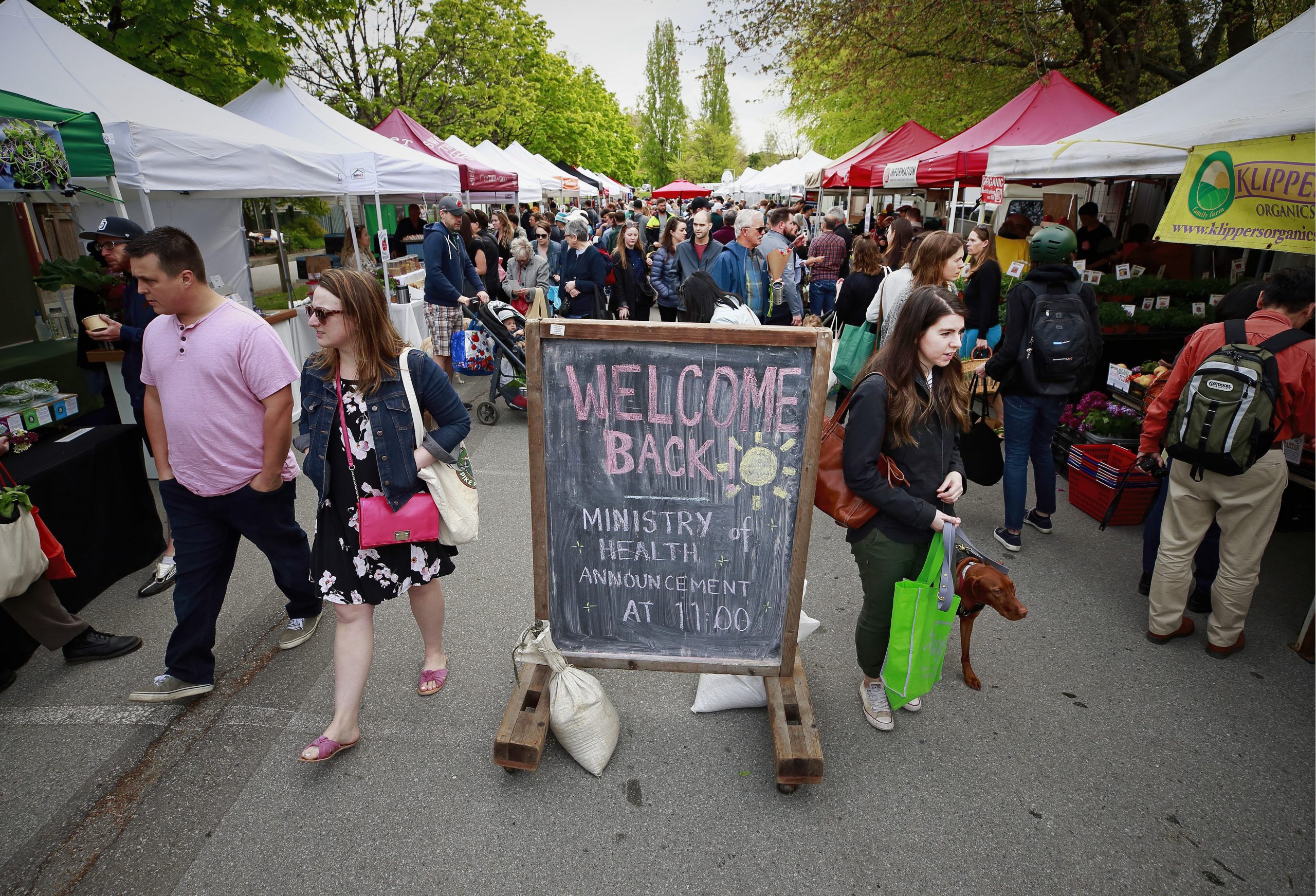
False Creek Farmers’ Market

Date and Time: Thursday, August 31st, 3-7PM

Location: Science World Parking – Lot #610, 1455 Quebec St, Vancouver, BC V6A 3Z7

New to UBC – Learn from Peers

Learn
OpenClose

Learn

The following video is part of a “New to UBC” playlist. To watch the other videos of the series, click the playlist button.

Reflect
OpenClose

Reflect

Apply
OpenClose

Apply

Explore
OpenClose

Explore

Websites & Videos

Websites & Worksheets

Jumpstart (Website, UBC)

Jumpstart is a multi-day program designed to give first-year students a first look at university life, meet professors and make friends at UBC Vancouver!

Weekly Planning Worksheet (Word Document, UBC)

Use this UBC-created downloadable template to plan out your time during the week and create a schedule that fits your needs.

AMS Tutoring (Webpage, UBC)

AMS Tutoring is offers tutoring sessions to first and second year students to help them tackle their coursework confidently.

UBC Counselling (Webpage, UBC)

Counselling Services is the first point of contact for UBC students’ mental health needs and concerns. They help connect students to counsellors, and provide mental healthcare information.

UBC Assignment Calculators (Website, UBC Library)

UBC’s assignment calculator helps you to break down your assignment into manageable steps with deadlines and provides resources for each step to help you along the way.

Arts Peer Academic Coaches (Website, UBC)

Arts Peer Academic Coaches are upper-year students who support other students succeed by coaching them and providing strategies to help meet their academic goals.

Enrolment Services Advisors (Webpage, UBC)

Enrolment Services Advisors help students navigate their course registration and finances at UBC.

Videos

Time Management (YouTube, UBC Leap)

UBC Leap’s Time Management video focuses on creating a work and life balance and how you can create free time for yourself while also managing your class schedule and school work.

Study Exam Skills (YouTube, UBC Leap)

UBC Leap’s Study Exam Skills video focuses on different elements that you should keep in mind during the exam season, such as how to create a study schedule that best fits your workload.

Chapman Learning Commons Resources

Related Toolkits

Budgeting

This guide offers helpful advice on building your budget as a student.

Related Tools

Approach to Learning Quiz (Webpage, CLC)

This quiz may help you gain a little more insight into your typical approach to learning and which strategies may work well for you in maximizing your strengths.

Course Registration Quiz (Webpage, CLC)

What do you look for the most when registering for courses? Topic, academic objectives, instructor, course format, or time? Take this quiz to figure out what’s most important for you. 

Chapman Learning Commons: Time Management Tools (Website, CLC)

Learn more about different time management tools and their different features to discover which scheduling program works best for you.

Related Blogposts

4 Legit Back to School Tips (Blogpost, CLC)

Learn from Flint’s experience as a UBC alumni about the best ways to prepare for the start of the school year.

Living on a Student Budget (Blogpost, CLC)

Learn how to financially prepare yourself for a new term and manage your finances as a student.

A Student Guide to Picking Classes (Blogpost, CLC)

Draw from Richard’s experience with picking classes and use his tips to keep your schedule hassle-free.

Five Things This Fifth Year Wishes She Knew in First Year (Blogpost, CLC)

Get some advice as you plan out your degree from an upper-year student.

Expectations vs. Reality of First Year (Blogpost, CLC)

Read some honest reflections and tips from a fourth-year student to help you navigate the realities of university life at your own pace.


Your Turn

Now you have learned several approaches to preparing for UBC. Take some time to ask yourself:

  • What is your biggest takeaway?
  • How did your perception of your place at UBC change throughout the learning process?

Drop your comments below to tell us what you think!

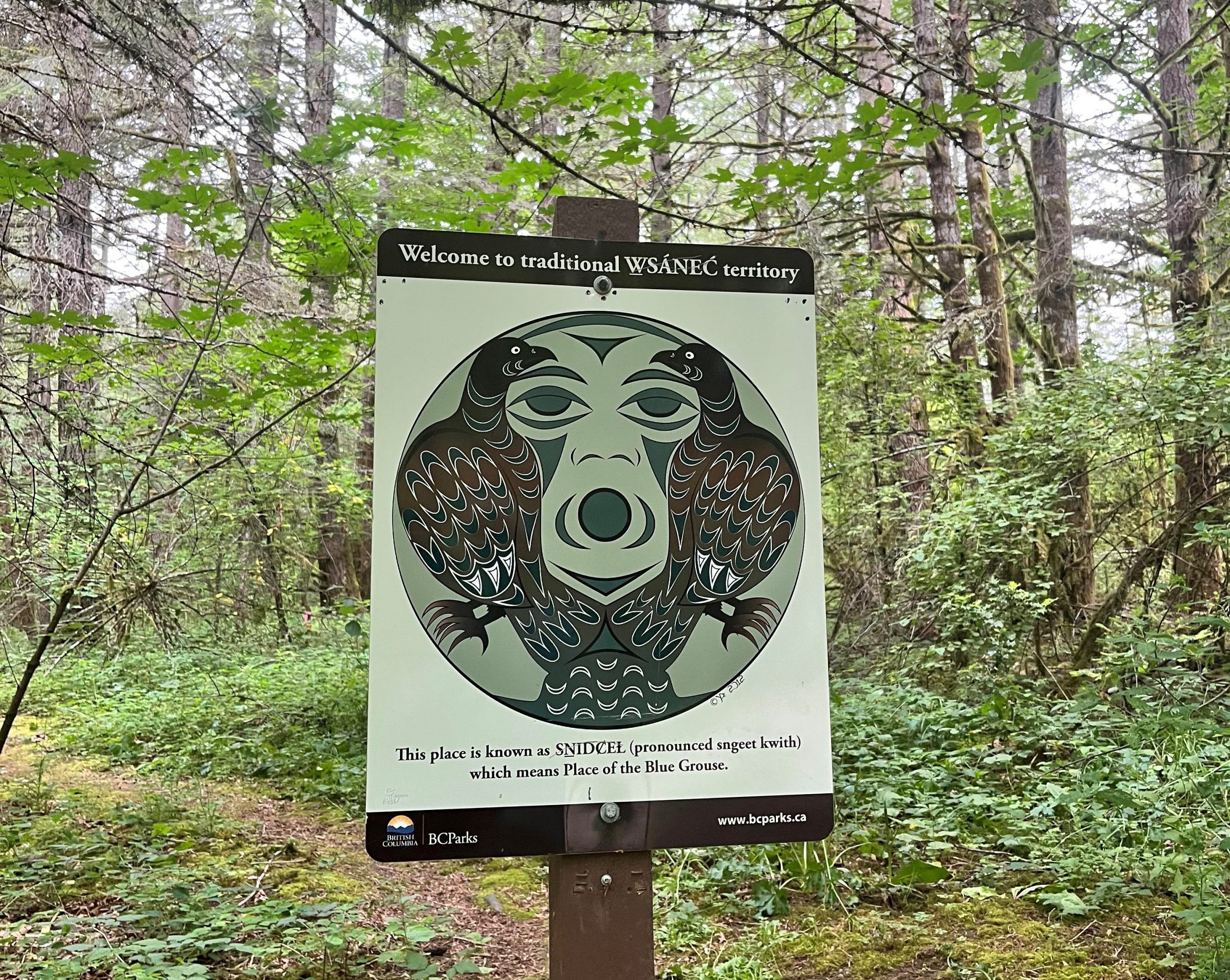
“Land Restoration at W̱SÁNEĆ First Nations’ Territory”

Photo by Nuriya
By Ilayda Goksen, CC BY-SA 4.0

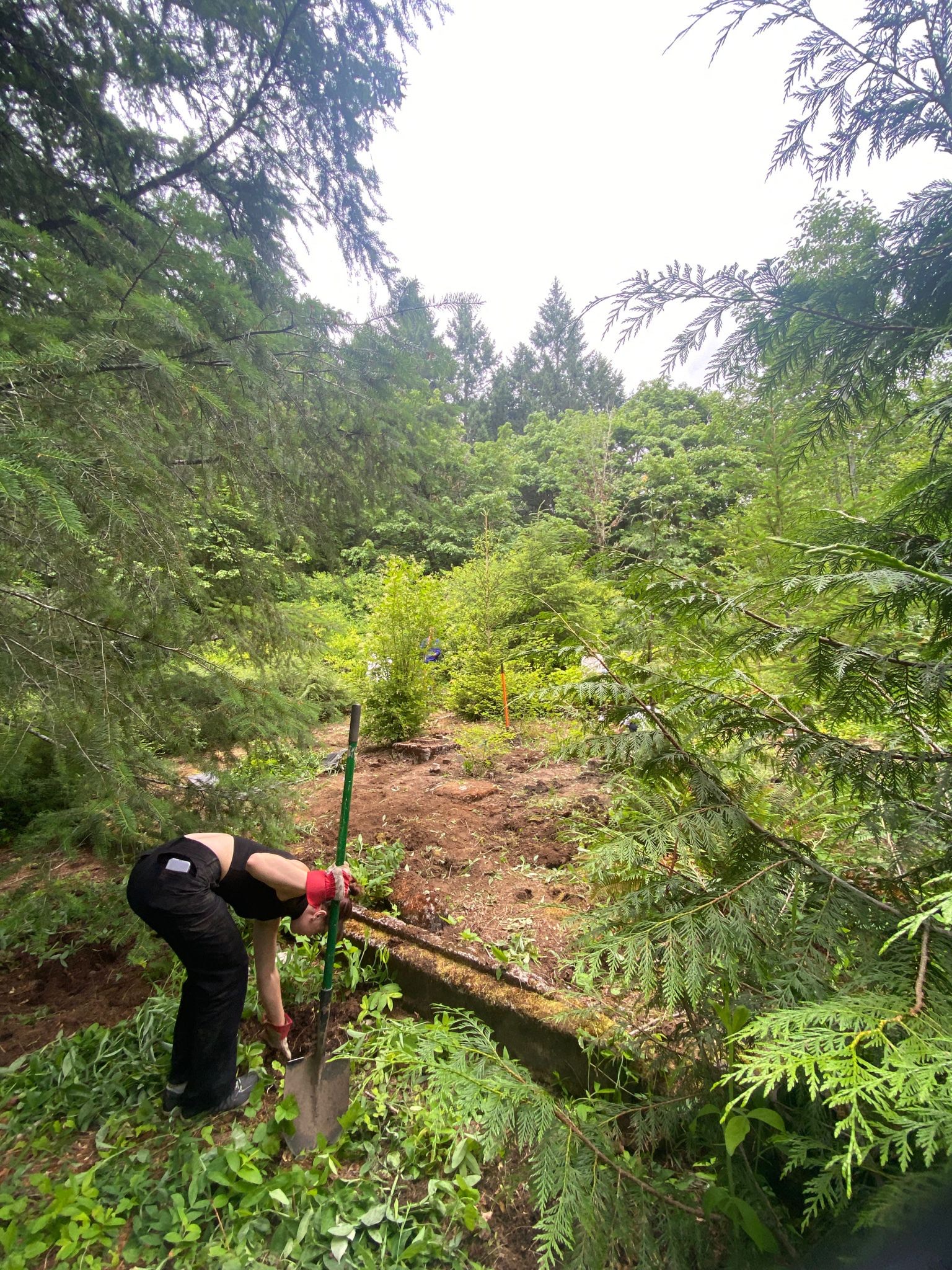
Plucking the roots of plants whose names I hadn’t known before, I stand with amazing people, who are passionately but clumsily using shovels. We are hoping to help restore the Indigenous land after many ecological disasters colonialism has brought to it. I stand at W̱SÁNEĆ First Nations’ Territory, located on the Saanich Peninsula.

I was lucky to get an offer to participate as an international student, visiting these lands, in a wonderful Land Restoration activity, kindly offered by the Building Bridges Team. Land Restoration is a practice aimed to aid and accelerate the recovery of the degenerated land (Santini & Miquelajauregui, 2022). On the Saanich Peninsula, the land has been subjected to industrial degeneration, as well as the invasion of the non-native species, brought by the settlers. As a part of our contribution to the land restoration, we help remove the invasive species from the land to make space for the native plants. 

I loved how the Land Restoration folks explained to us that we do not pluck the invasive plants aggressively. Instead, we want to have the “It is not your place, nor your time” kind of attitude. It stood out to me, as the approach is so gentle and sincere. We do not wish to harm the plants or pursue our hatred but to restore the land. 

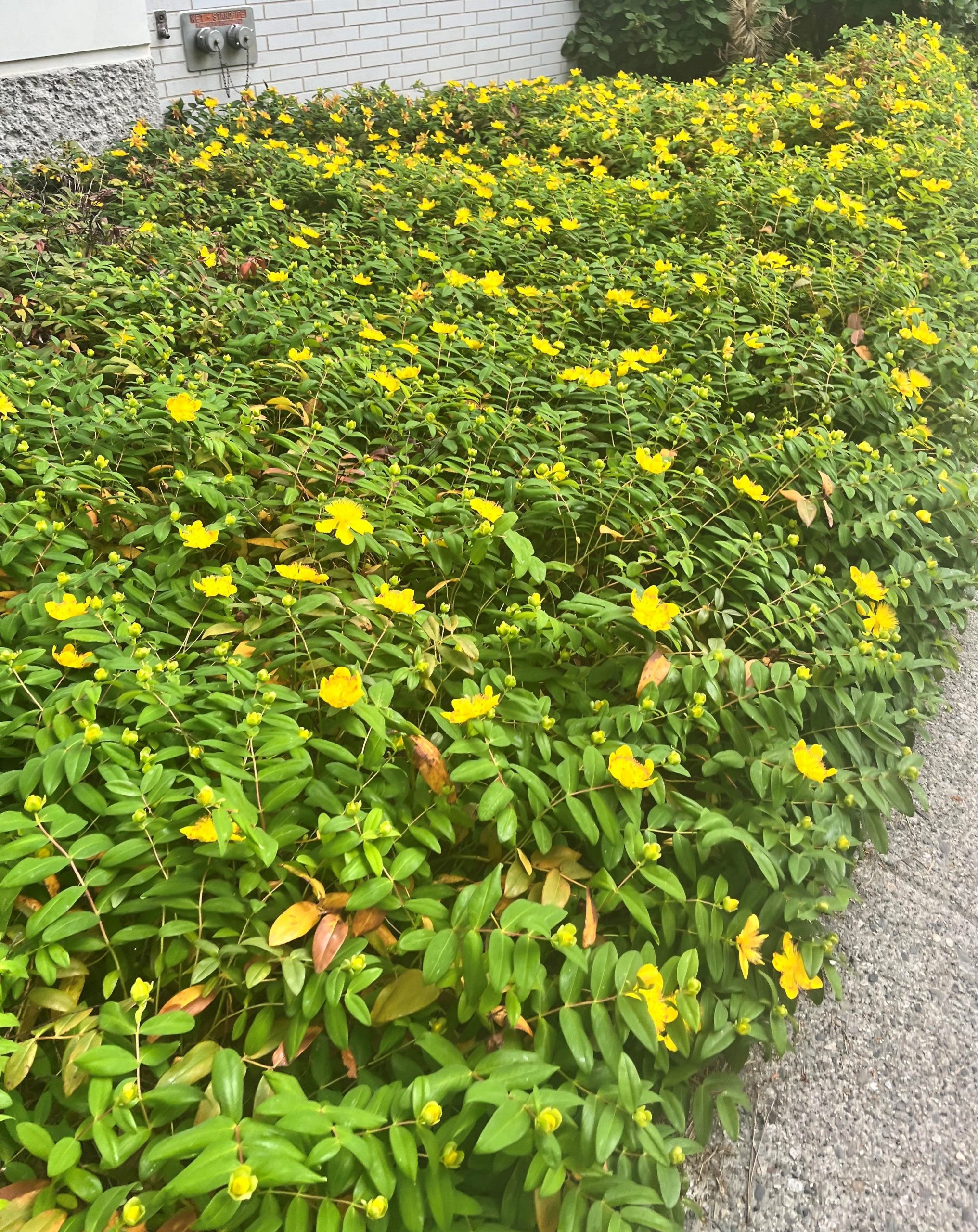
A group of 12 enthusiastic volunteers learned how to distinguish St. John’s Wort (Hypericum calycinum) by its bright yellow rose-like flower and specific shape of its leaves. Apparently, this plant is used for decorative purposes in recreational areas. Oddly enough, I knew I had seen it somewhere earlier. At our UBC Point Grey campus, we use the invasive St. John’s Wort for decorative purposes! Lots of them can be spotted near Seed Library at UBC Woodward Library.

Once removed or cut from the soil, the invasive plants need to be disposed of safely. A few people grab the large piece of tarp holding all of the stems and roots and transport it safely to the designated spot, from where it’s going to eventually become landfill. This is currently the safest way to dispose of invasive plants, as composting them doesn’t always eliminate the reproductive parts of the plants (Invasive Plant Disposal, n.d.).

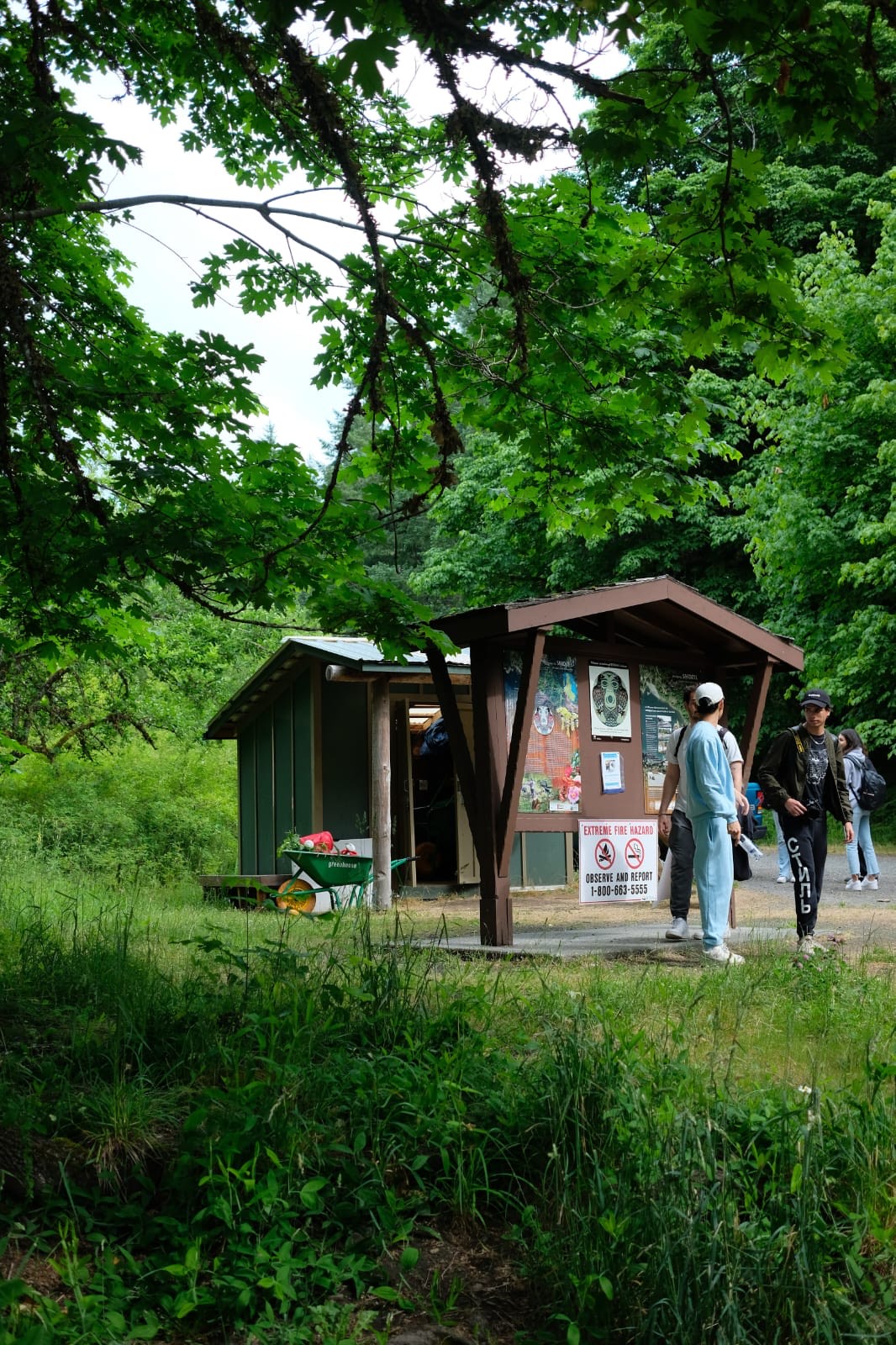
Photo by Newgen Bao, CC BY-SA 4.0
Photo of St. John’s Wort by Nuriya

Land restoration can be practiced at home, too. Looking out for one’s own garden could be beneficial to control the spread of the invasive species, assisting the native ecosystems. Invasive Species Council of BC can help you identify some of the invasive species nearby. Then, after carefully researching the mindful extraction of those plants from the soil, you can direct your wastes to one of the landfills. You can also connect with the Pulling Together initiative to volunteer for the Land Restoration at the Saanich District. 

Another value of W̱SÁNEĆ people was to never take more than needed. I really adored that, as current capitalistic values really go in contrast with that mindset. Culturally modified trees are an example of that mindset – carefully stripping the cedar bark to make clothing, mats and ropes without unnecessarily cutting down the tree (Stryd, 2001). This way, the bark is collected sustainably, because the tree is able to restore the stripped part gradually over time. What a valuable practice! In this session, I found that there is so much to learn from W̱SÁNEĆ people and other First Nations’ cultures, and I look forward to continuing my learning journey.

Did my post resonate with your learning journey? Share what you are learning in the comments below.

References

Invasive plant disposal. Saanich. (n.d.). Retrieved June 27, 2023, from https://www.saanich.ca/EN/main/community/natural-environment/invasive-species-noxious-weeds-wildlife/invasive-plants/invasive-plant-disposal.html

Santini, N. S., & Miquelajauregui, Y. (2022). The restoration of degraded lands by local communities and indigenous peoples. Frontiers in Conservation Science, 3 https://doi.org/10.3389/fcosc.2022.873659

Stryd, A. H., British Columbia. Archaeology Branch, British Columbia Government EBook Collection, & Resources Inventory Committee (Canada). (2001). Culturally modified trees of british columbia: A handbook for the identification and recording of culturally modified trees (Version 2.0. — ed.). Resources Inventory Committee.

Failing Forward 

Photo by <a href="https://unsplash.com/@anniespratt?utm_source=unsplash&utm_medium=referral&utm_content=creditCopyText">Annie Spratt</a> on <a href="https://unsplash.com/photos/9VpI3gQ1iUo?utm_source=unsplash&utm_medium=referral&utm_content=creditCopyText">Unsplash</a>
Photo by Annie Spratt on Unsplash

Most students think failing a course is the end of the world. However, the reality is that failing a course is not uncommon, especially given the challenges we faced, like: the pandemic, inflation, food security issues, technical difficulties, and more. Like many others, I failed a course during this difficult time but I did not give up on myself. Instead, I took it as an opportunity to reflect and grow and I believe it served as a turning point in my life. I’d like to share my experience with you and walk through the steps I took and the resources I used to help myself move forward. 

The Impact of Failing 

Failing a course means receiving a final grade lower than 50%, which comes with many impacts. First, I received no credit for the course and had to take it again to meet my graduation requirements. This translated into paying tuition again and putting an extra financial burden on myself and my parents. Worse still, I had to re-plan my course schedule and possibly delay graduation. Secondly, the “F” standing stays on my transcript even if I repeat and pass the course. This “F” disqualified me from receiving many scholarships that could have potentially supported me in my academic journey. Lastly, the failing mark I received dragged my GPA down by a lot. This put me at a competitive disadvantage when it comes to course registration and applying for graduate school in the future. 

How I Bounced Back 

Photo by Michael Dziedzic on Unsplash

Failing a course is not a signal that I don’t belong at UBC but instead, a lesson for me to grow from. Rather than giving up on myself, I sought resources around me and at UBC to help me. 

First, I told everything to my best friend. It’s definitely uncomfortable to talk about; however, talking to others can really help relieve stress, anxiety, and fear. More importantly, my best friend stayed when I had emotional rough patches and supported me in every way. He also helped me reposition myself and gave me valuable advice. Looking back, it would have been impossible for me to figure out everything on my own! 

Second, I went to my faculty academic advisor. I explained my situation to her and asked for suggestions on how I could revise my course plan so that the impacts were minimized. Fortunately, she told me that first-year and second-year courses shouldn’t greatly affect my academic standing or future applications to graduate school! 

Lastly, I went to my enrollment advisor for help with my scholarships and awards. Unfortunately, she told me that students with an “F” standing could lose their eligibility to be considered for scholarships in that academic year. However, she provided me with alternative financial support solutions such as: applying to the Co-op Program, Work Learn job opportunities, as well as the bursary program at UBC

Resources

Here are a few other resources that can be helpful when faced with difficulties: the UBC Wellness Center, UBC Wellbeing, UBC Thrive 5, UBC Student Health Service, UBC Counselling and UBC Mental Health Awareness Club. We’re often faced with challenges in our journey, but we don’t have to face them alone! 

Open Learning

Learn
OpenClose
Reflect
OpenClose

Reflect

Apply
OpenClose

Apply

Take advantage of open resources in your academic learning! Fill in the blanks with the open learning platform that fits best with each person’s learning challenges:

  1. Khan Academy: Khan Academy is an educational platform, made up of videos and learning activities. It teaches a wide range of subjects, but focuses on sciences and mathematics.
  2. Coursera: Coursera is an educational platform made up of open courses, allowing users to take a wide range of courses and learn or practice specific skills.
  3. GitHub: GitHub is a coding platform allowing users to share data or access other people’s codes.
  4. LinkedIn Learning: LinkedIn Learning is LinkedIn’s educational platform, allowing users to learn and practice professional skills such as interview preparation, resume writing and leadership.
  5. Wikipedia: Wikipedia is an encyclopedia, an open information database that anyone can edit or access.
Explore
OpenClose

Explore

Websites & Videos

Websites

Khan Academy (Webpage, Khan Academy)

A platform of educational videos covering many subjects, with an emphasis on STEM (Science, Technology, Engineering, and Mathematics).

Phet Science Simulations (Webpage, Phet Science)

Phet Simulations is a website with interactive physics and chemistry simulations.

Open Learn (Webpage, Open Learn)

The Open University is a collection of open articles, activities, videos and courses on subjects ranging from business to history.

edX (Webpage, edX)

edX is a free platform hosting online courses from universities across the world, including UBC.

Coursera (Webpage, Coursera)

Coursera is an educational platform made up of self-paced, online courses spanning a wide range of subjects.

LinkedIn Learning (Webpage, LinkedIn)

LinkedIn Learning is LinkedIn’s learning platform teaching hard and soft skills required for professional development and career advancement. It is free for UBC students.

Wikipedia (Webpage, Wikipedia)

Wikipedia is an encyclopedia, an open information database that anyone can edit or access.

GitHub (Webpage, GitHub)

GitHub is a coding platform allowing users to share data or access other people’s codes.

Open Learning Tools

Defining the Open in Open Content (Webpage, David Wiley)

A summary of the definitions and legal requirements of making open content, accessing and using them.

Evaluating Wikipedia Articles (Brochure, Wikipedia)

Learn how to evaluate the quality and accuracy of Wikipedia pages.

UBC Resources

Related Tools


Open UBC (Webpage, UBC)

A curated collection of resources for faculty and students at UBC to learn about open scholarship.

Evaluating Information Sources (Website, UBC Library)

Sources of information should always be critically evaluated to avoid false news and ensure proper attribution. Use this guide to help you evaluate the open learning sources you access.

Open Licensing for Students (Webpage, UBC)

Learn how to add an open license to your work and find resources on accessing openly licensed media.

Open Education Resource Repositories (Webpage, UBC Library)

This is UBC Library’s guide on how to find, create, and share Open Educational Resources (OER) across disciplines.

Related Toolkits

Online Learning (Toolkit, CLC)

Implementing online self-study into one’s routine can be challenging. Learn how to set yourself up for success while learning in the open.

Time Management (Toolkit, CLC)

Struggling with managing your time or want to develop a more efficient schedule? Check out our toolkit to learn how to create a schedule that works for you.

Your Turn

Now you have learned several approaches to learning in the open. Take some time to ask yourself:

  • What is your biggest takeaway?
  • How did your perception of open learning change throughout the learning process?

Drop your comments below to tell us what you think!

How to Get the Most Out of ChatGPT

Photo by Rolf van Root on Unsplash

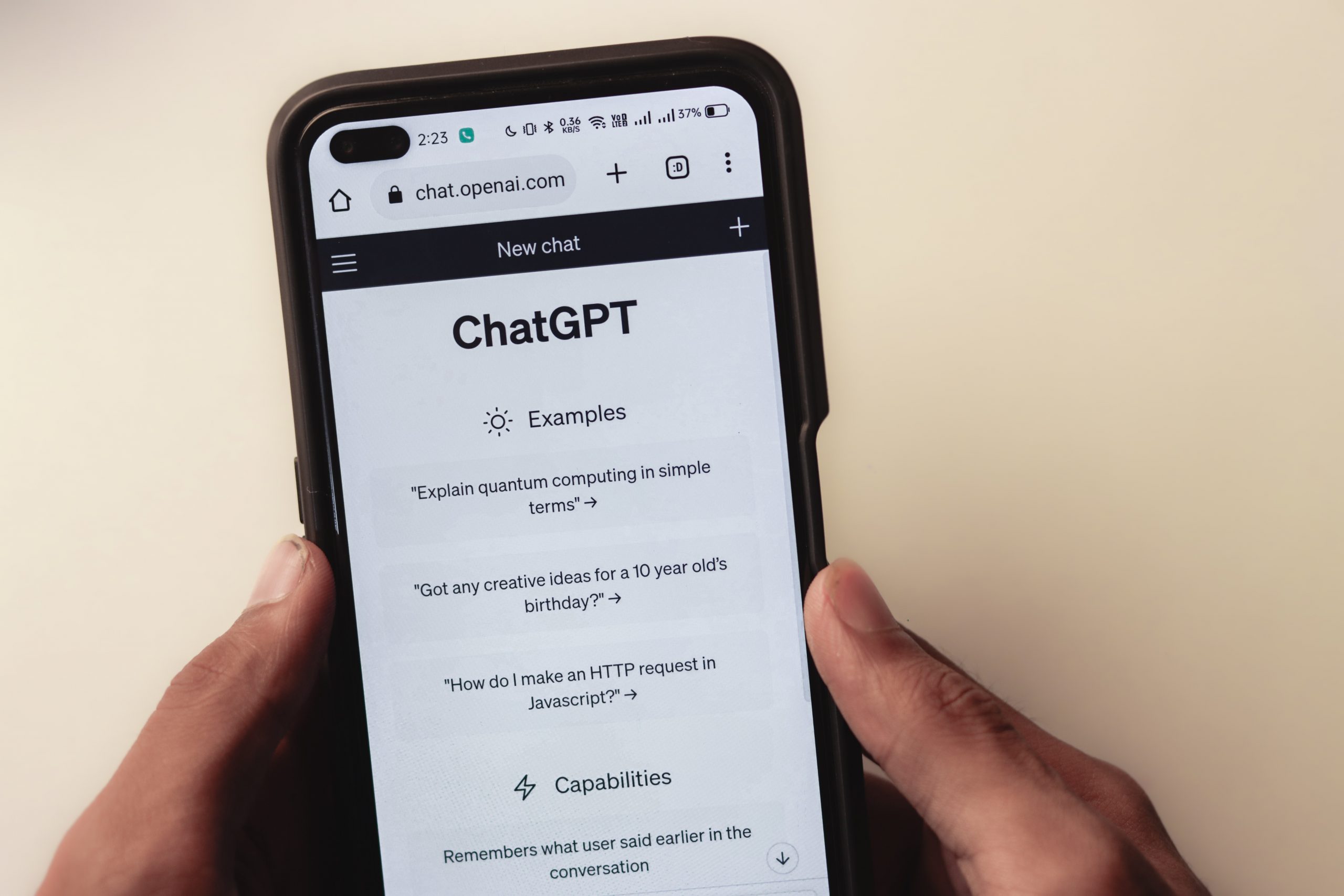
ChatGPT has become a popular language model that generates coherent responses to a wide range of questions. From improving your writing skills to helping enhance your creativity, ChatGPT can be a great tool for any student. Here are a few ways I like to use ChatGPT!

Before starting a project or assignment, read up on UBC’s academic integrity policy or talk to an instructor! Currently, the use of AI tools at UBC is a course-level decision and may be prohibited by your instructor. Be aware of your course policy before using ChatGPT, otherwise it’s use could be considered academic misconduct.

1) Projects

In my experience, ChatGPT can be useful in brainstorming, creating a schedule for completing a project, or providing feedback. Staying on track helps me to avoid procrastinating. To help create a project schedule for myself, I ask ChatGPT:

  • “I am creating a project that focuses on the effects of climate change on biodiversity. Create a schedule I can follow to stay on track to complete my project in 3 weeks.”

Another great use of ChatGPT is providing feedback on your work:

  • “Can you please review my paper on the use of symbolism in ‘The Great Gatsby’ by F. Scott Fitzgerald and provide feedback on the strength of my arguments and the clarity of my writing? Specifically, can you highlight areas where I could improve my analysis of the symbolism used in the novel?”
Photo by Sanket Mishra on Unsplash

2) Studying

Preparing for exams is tough; creating a plan to follow during this time can make it less stressful. ChatGPT can break down topics into subtopics to study, outline main topics to focus on, and create a timeline.

  • “Help me create a study timeline for three exams in the next two weeks. I have one on Monday morning, one on Monday afternoon, and the last one on Tuesday. I need a plan to allocate my time effectively and ensure I cover all the material. Can you assist me in creating a study schedule?”

Another great way to use ChatGPT for studying is to generate practice problems that focus on areas you may have difficulty understanding. I use practice problems to ensure I can apply the skills and knowledge I gained in class.

  • “Can you generate 10 practice problems on probability and provide solutions for each problem?”

3) Group Work

ChatGPT can help facilitate communication and collaboration during group work. It can help provide a structure to assign individuals topics and portion out the work evenly so that everyone does their part.

  • “In our group of three working on a project about postmodern feminist art history, how can we ensure equal workload distribution? Provide strategies for allocating tasks fairly while leveraging individual skills and maintaining project quality.”

ChatGPT can also provide ways to avoid and/or settle disputes between group members (i.e. individuals who are not completing their tasks).

  • “Our group is dealing with a team member who consistently fails to complete their assigned work. How can we effectively resolve this dispute and motivate them to fulfill their responsibilities? Provide practical strategies for open communication, accountability, and conflict resolution to restore productivity within our group.”

Overall, ChatGPT can be a great resource for project planning, studying and group work. These are just a few ways this AI tool can help to improve your learning experiences. Have another great way to use this resource? Feel free to share them in the comments below!

Networking: What it Means, and How to Do it Well

a handshake
Photo by Cytonn Photography on Unsplash

To many, networking can seem daunting. On one hand, there are the personal pressures of not feeling confident enough about what you have to offer. On the other hand, the social connotations around networking can make it seem like it’s reserved for a privileged few. But what does it really mean to ‘network’? 

Whether you’re a university student starting a career search or a creative mind kickstarting a freelance career, here’s a guide on networking and doing it well! 

1. Ask yourself: why am I networking 

Students at the Forest Sciences Centre

Before reaching out to potential connections, it’s important to have a goal in mind. Who are we trying to reach? Why are we trying to reach out to them? Understanding our intentions is key to a good networking mindset.  

2. Take courage: learn how to sell yourself

Everyone has valuable skills, even if they don’t realize it. Personally, as a first-generation immigrant and creative attempting to break into the voiceover field for the first time, it was easy to feel demotivated. Everyone else seemed to have it figured out. What could I possibly offer that they didn’t already have? As it turns out, a lot of things. While it may sound cliché, no one will ever complete a task or job the same exact way, and no mind will ever think the same thoughts. Take advantage of this. Tap into the ‘you’ that has the potential to keep learning and growing. And if you’re really feeling lost, it’s never too late to pick up new skills.  

3. Understand that networking is for everyone  

Networking is not for a select few. Everyone can network at any skill and experience level. It is important to keep our limits in mind (the chances of Bill Gates replying to an email about the next big technological breakthrough are probably not great) but don’t be afraid to swing big (Microsoft might be hosting a panel at a local tech convention).  

4. Think of the long-term

Make connections that last. Connections are anywhere and everywhere. People say “the world is smaller than you think”. It turns out this is actually true most of the time! Networking isn’t always done in fancy suit-and-tie events. Often, networking can start with the same people we see on the day-to-day: friends, the people we play video games with, etc. Just remember to be respectful!  

3 people sitting at a table and talking to each other

5. Remember: these are people too

No one likes to be used. Networking is not supposed to turn people into an opportunity machine. I make sure to get to know the people I network with, and not just for what they can offer me. 

Networking at UBC

The UBC Career Centre hosts several networking events, community outreach programs, and workshops that are open to all UBC community members. Additionally, job-specific websites, such as LinkedIn and Indeed, frequently feature similar resources online. Just remember to approach these events with cautious optimism. Always do background research first to make sure that the event is hosted by a reputable source! 

Personal Wellbeing

Learn
OpenClose
Reflect
OpenClose

Reflect

Apply
OpenClose

Apply

Explore
OpenClose

Explore

AMS, UBC, & External Resources

AMS Resources

AMS Peer Support (Webpage, AMS)

One to one peer support that allows students to discuss personal challenges in a private safe space.

AMS/GSS Health & Dental Plan (Webpage, AMS)

AMS/GSS healthcare plan automatically covers all students. The plan covers medical/dental services not covered by provincial healthcare.

UBC Resources

Academic Advising (Webpage, UBC)

Academic advisors can help in a variety of academic related ways from degree planning to discussing academic concession.

UBC Counselling Services (Webpage, UBC)

UBC Counselling Services serves as one of the first points of contact on campus for mental health concerns or support.

UBC Recreation (Webpage, UBC)

UBC Recreation offers a variety fitness and sport related classes, services, and spaces.

UBC Wellness Centre (Webpage, UBC)

The UBC Wellness Centre offers a variety of services and resources centred around physical and mental wellness.

External Resources

Changing How We Think About Wellness (TED Talk, Monica Mo)

This TED talk from Monica Mo, the CEO of a wellness centred social enterprise, discusses her perspectives on wellness.

Eight Dimensions of Wellness (UC Davis)

This webpage from UC Davis goes in depth into the Wellness Wheel and all the different aspects within the wheel.

Emotional Toolkit (National Institute of Health)

This toolkit from the National Institute of Health (NIH) gives 6 strategies on how to improve one’s emotional wellbeing.

Wellness Modules (Here to Help)

Here to Help, project from 7 BC mental health focused non-profits, offers 11 modules on how to tackle different aspects of wellbeing.

Chapman Learning Commons Resources

Related Toolkits

Budgeting 

Looking for resources to determine a monthly budget? This guide offers helpful resources and advice on building a budget.

Communicating Your Needs 

Wellbeing can include identifying and communicating your personal needs. Learn about navigating conversations about personal boundaries. 

Sleep and Academic Success 

Learn about how sleep can affect academic success and how to ensure that you are well-rested while meeting deadlines. 

Time Management 

Struggling with managing your time or want to develop a more efficient schedule? Check out our toolkit to learn how to create a schedule that works for you.

Related Resources

Part 1- Engineering Your Life: Designing Better Health by Bryan and Sam (Blog Post, CLC)

Two engineering students discuss how they prioritized their health while being students with a busy schedule.

Part 2- Engineering Your Life: Designing Better Routines by Bryan and Sam (Blog Post, CLC)

Two engineering students discuss routine recommendations and how to maintain a balanced lifestyle. 

How to Self Compassion in Academics by Alex (Blog Post, CLC)

Hear from one of our student staff members as they share their experience navigating self-compassion and what strategies they tried.

Exam Meditation Space (Resource, CLC)

IKB provides a designated area for meditation and prayer during exam season. Additionally, the webpage lists other available spaces for these activities outside of the exam season.

Your Turn


Now you have learned about different wellness aspects. Take some time to ask yourself:

  • What is your biggest takeaway?
  • How did your perception of wellness change throughout the learning process?

Drop your comments below to tell us what you think!

Exploring Cultures Around the World: Insights on Central Asia from a Kazakh Student at UBC

Photo by Samuel Rios on Unsplash

When I was applying to universities, UBC was my top choice for many reasons – one of them being our diverse student body! It is so lovely to be able to connect with various cultures from across the world, gathered on our beautiful campus. I want to share a bit more about the place I come from – Central Asia!

Central Asia is a region that spreads from the Caspian Sea on the West, to Mongolia and China on the East, Russia on the North, and Afghanistan and Iran on the South. It is home to five former post-Soviet republics: Kazakhstan, Kyrgyzstan, Uzbekistan, Tajikistan and Turkmenistan! Fun fact: “-stan” means “land of” in Persian. I am a Kazakh from the land of Kazakhs!

History

Central Asia is a place for nomads. While some Central Asian ethnicities were historically settled, a lot of the region’s history is rooted in the Eurasian nomadic tribes that were traveling across the vast Central Asian steppes (Khalid, 2021, p. 29). For my home country Kazakhstan, the nomadic legacy is deeply intertwined with our cultural heritage. We, the Kazakhs, say that we are the “free spirits” that are exploring and embracing all of the places around our land. To do that, our ancestors came up with transportable housing that can be constructed in under one hour – a yurt. A yurt’s only window points to the sky and it is such an important symbol of home and community for Kazakhs that we have it on our passports!

Photo by Yang Shuo on Unsplash

Geography

Geographically, the region of Central Asia has a variety of nature reserves. Starting from evergreen forests and the largest lake in the world – the Caspian Sea (yes, it is so big that it is called a sea!) – to grasslands, deserts and canyons (Janusz-Pawletta, 2021). Last summer I was lucky to hike around some of the breathtaking trails near my hometown Almaty and see the forest of spruce trunks growing in Lake Kaindy, 6,600 feet above the sea level!

Photo by Nessi Gileva on Unsplash
Photo by Dmitry Sumskoy on Unsplash
Photo by Yelena Vakker on Unsplash
Photo by Nessi Gileva on Unsplash

Flora

Photo by AXP Photography on Unsplash

Now about the region’s flora! Central Asia is an important point of diversity for many globally spread out fruit and nut tree species (Vinceti et al., 2022, p.2). Various fruits like apples, apricots, cherries, plums, grapes, figs, peaches, pomegranates, pears and nuts like almonds, pistachios and walnuts all originated in the forests of the mountain ranges called Tian Shan and Pamirs, located in Uzbekistan, Kyrgyzstan and Tajikistan. These fruit and nut trees are now spread out all over the world. Most of them can be found on the Central Asian street markets – either fresh or in the form of a delicious local sweet.

These are just a few things that make my home special to me. We have so much to learn from one another – from our cultures and perspective, to learning in the classroom as well. Please tell me in the comment box below where you come from and some interesting facts about your hometown!

References


Janusz-Pawletta, B., Springer Law and Criminology eBooks 2021 English/International, & SpringerLink (Online service). (2021). The legal status of the caspian sea: Current challenges and prospects for future development (2nd 2021. ed.). Springer Berlin Heidelberg.

Khalid, A., & Princeton University Press Complete eBook-Package 2021. (2021). Central asia: A new history from the imperial conquests to the present (First ed.). Princeton University Press. https://doi.org/10.1515/9780691220437

Vinceti, B., Elias, M., Azimov, R., Turdieva, M., Aaliev, S., Bobokalonov, F., Butkov, E., Kaparova, E., Mukhsimov, N., Shamuradova, S., Turgunbaev, K., Azizova, N., & Loo, J. (2022). Home gardens of central asia: Reservoirs of diversity of fruit and nut tree species. PloS One, 17(7), e0271398-e0271398. https://doi.org/10.1371/journal.pone.0271398

Online Learning

Learn
OpenClose
Reflect
OpenClose

Reflect

Apply
OpenClose

Apply

Explore
OpenClose

Explore

Websites & Videos

Worksheets & Online Learning Tools

Weekly Timetable Planning Worksheet (Word Document, UBC)

Use this UBC-created downloadable template to plan out your time during the week and create a schedule that fits your needs.

UBC Assignment Calculators (Website, UBC Library)

UBC’s assignment calculator helps you to break down your assignment into manageable steps with deadlines and provides resources for each step to help you along the way.

UBC Student Guide to Zoom (Website, UBC)

Read the UBC student guide to Zoom to learn how to make the most of your Zoom experience!

Videos

Time Management (YouTube, UBC Leap)

UBC Leap’s Time Management video focuses on creating a work and life balance and how you can create free time for yourself while also managing your class schedule and school work.

Chapman Learning Commons Resources

Related Tools

Learning Skills Workshop on Time Management when Learning Online: Key Advice & Resources Handout (PDF, CLC)

A summary of key takeaways and advice from CLC’s Time Management when Learning Online workshop.

CLC Learning Skills Workshop on Online Communication Skills: Key Advice Handout (PDF, CLC)

This resource handout has best practices and tips for communicating online effectively.

Group Presentations Online Handout (PDF, CLC)

This handout details top tips and resources for delivering an online presentation.

Related Toolkits

Managing Your Time

This toolkit will walk you through tips and resources that will help you manage your time effectively.

Growing Grit

An important aspect of achieving goals and staying motivated is grit. Learn how to grow your grit with this toolkit!

Interacting with Profs

Why should you go to office hours? Why does your professor want you to be there? Find answers to those questions and more in this toolkit!

Working in Groups

Working with groups can be stressful–and rewarding! We’ll show you how to make the most of any project.

Communicating Your Needs

Learn a 3-step approach for navigating difficult conversations about personal boundaries.

Your Turn

Now you have learned several approaches to online learning. Take some time to ask yourself:

  • What is your biggest takeaway?
  • How did your perception of online learning change throughout the learning process?

Drop your comments below to tell us what you think!

    Get Help from the CWSC

    A Quick Guide to Food Security Resources – Part 2

    Photo by Dan Gold on Unsplash
    BC Farmers’ Market Nutrition Coupon program. Photo by Jeff Vinnick/Govt of BC

    Part 1 of this series talks about food security initiatives on-campus that any UBC student can access. However, there are also food security resources throughout the metro Vancouver region that may be more convenient or better suited for one’s needs. Like the previous blog post mentioned, students are among one of the most vulnerable groups to the risk of food insecurity. Food insecurity also impacts different groups (income level, race, immigration status, etc.) very differently and since the UBC student population is so diverse, it’s important to also introduce other options outside of the bubble of campus (Polsky & Garriguet, 2022).

    Food Insecurity in Canada

    Prior to the pandemic, food-insecure Canadians accounted for around 10% of the population (Polsky & Garriguet, 2022). During the pandemic, food insecurity only worsened and exposed the fragility of the issue for a lot of Canadians, highlighting the lack of food access (Polsky & Garriguet, 2022). Across Canada, food insecurity rates differ significantly with race, income, immigration status, gender, and other factors like province, further highlighting the overarching inequalities in the Canadian food system (Tarasuk et al., 2019).

    Food Initiative Resource Groups

    Within the Vancouver Metropolitan region, there are a lot of different organizations that offer food initiative services and resources. The Greater Vancouver Food Bank (GVFB) has locations in Vancouver, Burnaby, North Vancouver, and New Westminster and offers specialized packs of food for certain age groups on top of acting as a food access point. Neighborhood houses such as South Vancouver Neighborhood House (SVNH) also offer food security programs, with SVNH currently launching a food hub program that offers a more long-term solution to food insecurity in their catchment area. Vancouver Neighborhood Food Network offers an interactive map that shows food access points from community centers, religious organizations, and other organizations. Organizations such as Vancouver Urban Food Forest Foundation (VUFFF) also works towards food security through teaching and exploration of integration of Indigenous- based concepts and relationships with food. They hold an annual “Neighborhood Food Week” that highlights events such as recipe workshops, food related exhibitions, introductory workshops about edible plants, planting at a community garden, and many more related to food security through education.

    Getting Involved

    The pursuit of food security outside of accessing a reliable and consistent source of food can also be through getting involved in the discussion of food insecurity in your own community. This can be through volunteering or working for/with a community or governmental agency focused on food like the ones mentioned above (Greater Vancouver Food Bank, South Vancouver Neighborhood House, Vancouver Urban Food Forest Foundation). Additionally, you can reach out to your local representatives to push for more government-based initiatives for food security. This can mean reaching out at UBC or if you live off campus you can find your representative and ask them to help address food insecurity in your neighborhood.

    Photo by Markus Spiske on Unsplash

    In addition to finding a dependable and consistent source of food, food security can also be achieved through participation in community discussions about food insecurity. This can be done by volunteering or working with community or government agencies focused on food, or by contacting local representatives to advocate for more government-based initiatives to ensure food security for all.

    Of course, food insecurity continues to be an issue that cannot be solved with “band aid” or short-term solutions. Working towards food security requires long term solutions while also exploring the inequities in the current complex food system locally, federally, and on a global scale (Tarasuk et. al, 2019). On a community level, supporting local community initiatives or getting involved with discussions of food insecurity or systems continues the progress towards local food security.

    References


    Lee, S. D., Hanbazaza, M., Ball, G. D. C., Farmer, A., Maximova, K., & Willows, N. D. (2018). Food insecurity among postsecondary students in developed countries: A narrative review. [Food insecurity among postsecondary students] British Food Journal, 120(11), 2660-2680. doi:https://doi.org/10.1108/BFJ-08-2017-0450

    Polsky, J., & Garriguet, D. (2022, February 16). Household food insecurity in Canada early in the COVID- 19 pandemic. Statistics Canada. Retrieved April 24, 2023, from https://www150.statcan.gc.ca/n1/pub/82-003-x/2022002/article/00002-eng.html


    Tarasuk, V., Fafard St-Germain, A. A., & Mitchell, A. (2019). Geographic and socio-demographic predictors of household food insecurity in Canada, 2011-12. BMC public health, 19(1), 12. https://doi.org/10.1186/s12889-018-6344-2

    Course Registration Resources

    UBC Resources

    CLC Resources

    Student Perspectives

    Study Spaces

    Finding a study space can be challenging sometimes. Check out some of study spaces in IKB here!

    Study Spaces Quiz
    OpenClose

    Find your spot: Take the Quiz

    Collaborative/Central
    OpenClose

    Collaborative and Central

    Heritage Core

    Location: 3rd Floor – Room 300

    The Heritage Core is a famous spot on campus being one of the “Harry Potter” rooms. It features 30 Macs with Adobe Suite, 5 PCs, and 5 dual monitor stations for student, faculty, staff, and community user use. The Heritage Core also offers free scanning and charging ports.

    Features: Scanners, Dual Monitor Stations, Comfortable Seating, and Charging Ports

    2nd Floor Learning Concourse

    Location: 2nd Floor

    The 2nd Floor Concourse features a variety of different accommodations. On one side, it features 2 printers (one colour, one black and white) and computers or monitors that can be connected to a personal device. The other half of the space acts as an informal study space with booths and individual desks equipped with charging ports.

    The space also features temporary exhibits that highlight a variety of topics.

    Features: Printers, Dual Monitor Stations, Comfortable Seating/Booths, and Charging Ports

    Qualicum Reading Room

    Location: 3rd Floor – Room 305

    The Qualicum Reading Room, located next to the Heritage core, is another collaborative space located on the 3 floor. The study space is also shared with the Learning Lounge, the Centre for Writing and Scholarly Communication, and the CLC help desk. The space includes 2 colour printers, charging ports, a piano, and a print card machine which can add value to an existing UBC card account or allow to purchase a guest card.

    Features: Printers, Print Card Machine, Equipment Lending + Help Desk, Piano, and Charging Ports

    Golden Jubilee Room

    Location: 4th Floor – Room 400

    The Golden Jubilee Room located on the top floor is collaborative study space that also offers mountain and ocean views. Currently, the only phone charging station in IKB is located in this room!

    Features: Phone Charging Station and Charging Ports

    Silent Spaces
    OpenClose

    Silent Study Spaces

    Musqueam Reading Room

    Location: 4th floor – Room 455

    The Musqueam Reading Room located on the 4th floor.

    Features: Comfortable Seating

    Naas Reading Room

    Location: 4th Floor – Room 459

    The Naas Reading Room also located on the 4th floor features individualized study cubicles and also houses two classrooms- Hazelton and Wells. It has some charging ports with a variety of seating choice from private cubicles to high top desks to large group tables.

    Features: Private Cubicles with Charging Ports

    Ridington Room

    Location: 3rd and 4th Floor, North End of MAA – Room 321

    The Ridington Room located in the North end of MAA is another famous stop on campus! Also known as one of the “Harry Potter” rooms, it features portraits on all past and current UBC presidents.

    On the 4th floor part of the room, there are individualized study cubicles.

    Features: Comfortable Seating

    Bookable Study Rooms
    OpenClose

    Bookable Group Study Rooms

    There are bookable study spaces on every floor of IKB! All are equipped with charging ports and whiteboards – whiteboard markers can be borrowed at the CLC Help Desk on the 3rd Floor.

    Bookings for lower floors (1st and 2nd floors) can be made here.

    Additional bookable study rooms are available on the 3rd and 4th floors. Bookings for upper floors can be made here.

    Please note that 2 or more people will need to occupy the room to make a booking.

    Use Policies

    To ensure fair access to all users, please observe the following

    • Rooms 192-194 and Rooms 263-266 are available when the Irving K. Barber Learning Centre is open and must be vacated 15 minutes prior to closing. Music, Art and Architecture rooms are available when the Library is open and must be vacated 30 minutes prior to closing
    • Individuals can book up to 2 hours per day, 2 times a week, up to 7 days in advance.
    • Last room booking of the day is 2 hours prior to closing.
    • Rooms are to be used in compliance with the UBC Library Food and Drink Policy.
    • If you have unique academic circumstances that require you to book this room for more than 2 hours or require invigilation (i.e. a UBC exam that is more than 4 hours) with an additional individual in the room, please email ikblc.bookings@ubc.ca to consider your request.

    If you have any questions, reach out to ikblc.bookings@ubc.ca

    Other Study Spaces
    OpenClose

    Other Bookable Spaces

    Digital Media Rooms

    Location: 3rd Floor in MAA, Rooms: 324 & 325

    The Digital Media Rooms in MAA are spaces that highlight media. Each room features media systems comprised of a display screen, an audio system, and DVD player. Room 324 also has a CD player while 325 also has a VCR player.

    To use the display screen, you can also connect your personal device.

    If you need an adapter, there are adapters available for loan at the CLC desk.

    Both rooms have a capacity of 5 people and can be booked here.

    Sensory Friendly Map

    Looking for a quiet space to study at IKB with warm, natural, or controllable lighting? Check out this map that highlights our sensory-friendly study spaces!

    Download a PDF copy

    Other Spaces

    DaBao

    Location: 2nd floor

    DaBao has a seating area that can seat over 100 people. Its menu offers a variety of things from bubble tea to dumplings to pastries.

    Within the cafeteria, there are also some vending machines and an UpMeal vending machine that offers “to-go” meals.

    They accept UBCcard Value PlanDepartmental Food Plan, Carryover Plan, UBC Guest Cards, cash, debit, and credit.

    Other Study Spaces on Campus

    Across campus, UBC offers a huge variety of both formal and informal study spaces. For informal study spaces, click here.

    UBC also has a map for study spaces across campus.

    Pride 2024 Events and Resources

    Photo by Cecilie Johnsen on Unsplash

    Events

    Pride Celebrations + Festivals

    Get information on Pride events all over BC! As the Pride season arrives, this site is updated on a rolling basis.

    Various UBC events

    • An Evening in Support of CampOUT! – June 4
    • Wellbeing Walk & Roll – Really Gay History Tour – June 19
    • 2024 UBC Pride Connect: 2SLGBTQIA+ faculty and staff reception – June 26
    Photo by Tanushree Rao on Unsplash

    Local Queer Businesses to Support!

    Note: This is a feature of local businesses, not a paid advertisement!

    Brandy Mars Designs

    This “gayest lil’ gift shop in all the land” (as declared by Brandy herself) is home to various goods from clothing to posters + cards and even some candy! All products are designed by Brandy to reflect the pride in her queer art and identity.

    Little Rainbow Paper Co

    Struggling to find the perfect little card or trinket for a friend or partner? Little Rainbow Paper Co.’s got you covered! Designed “for the 2SLGBTQ+ by the 2SLGBTQ+”, this queer-owned shop has everything from greeting cards to enamel pins to stationery!

    Bean Around the World

    Despite its multiple locations around the lower mainland (including UBC’s campus), it may not be known that this coffee franchise is queer-owned! Beyond just coffee and tea (including the beans and leaves), they offer gear for all your brewing needs!

    Awl Together Leather – #101-1183 Odlum Dr, Vancouver

    Female* and Queer-owned by Ariss and Tess, Awl Together Leather works to repair, alter, restore, and even make some custom items. With their work, they have been able to keep thousands of items out of landfill since April 2021, in the spirit of working “Awl Together” (an Awl is a common leather tool)!

    *Ariss is non-binary/trans! Due to a lack of encompassing phrases for women and non-binary, queer-owned businesses, Ariss and Tess have settled on this term for the time being

    Big Bro’s Barbershop – 1685 Nanaimo Street, Reopening at 2375 East Broadway, Vancouver

    Proudly trans owned and operated, Big Bro’s is a beauty and resource centre, offering services and products for hair, gender affirmation, and more without the trouble. They are currently planning to relocate, but will be available throughout the Pride season, and re-open around late September!

    Peau De Loup – 1529 Venables St, Vancouver

    Also known as the Proudly Different League, Peau de loup advocates for genderless fashion, all while using up-cycled fabrics! There’s no need to go looking in gendered sections in this store – their clothes are for all identities.

    Lanesplit Cycles – 882 E Hastings St, Vancouver

    For all the Vancouver cyclers, Lanesplit Cycles is the place to go for accessible and inclusive bike repair. This trans-owned repair shop features founder Reylinn (they/she) and repairers Janis (she/her) and Johnny (they/he)!

    Little Sister’s Book & Art Emporium – 1238 Davie Street, Vancouver

    Offers a wide selection of queer reads, trans gear (eg. binders, packers), fun clothing, and more! This shop has a three decades-long history, having stood in the face of censorship and harassment in order to provide a friendly, non-judgemental environment for queer folx past, present, and future.

    Photo by Radu Marcusu on Unsplash

    Queer Reads at the Libraries

    Find Housing

    Learn
    OpenClose
    Reflect
    OpenClose

    Reflect

    Apply
    OpenClose

    Apply

    Now that you are familiar with the different contract types for on-campus housing and the variety of off-campus options, use the quiz below to create a plan for finding housing based on your personalized accommodation needs.

    Disclaimer: This activity is specifically for the Vancouver campus and its neighborhoods. For Okanagan housing resources, please visit their website.

    Explore
    OpenClose

    Explore

    Websites & Videos

    Websites & Resources

    UBC Housing Portal (Webpage, UBC)

    UBC’s Housing portal is where housing application are created, submitted and ranked. Consult it when you are ready to submit your application!

    Student Residence Website (Webpage, UBC)

    The student residence website goes in-depth through the contracts types and residences operated by UBC Housing, while also providing tips on various aspects of student life!

    Living Off-Campus (Resource, UBC)

    This guide to living off-campus resources for off-campus housing search, as well as things to consider when conducting a viewing or signing a contract.

    More Campus Housing (Resource, UBC)

    This website provides a list of campus housing options that are not affiliated with UBC Housing services and their particularities.

    UBC Collegia

    UBC Collegia is a designated on-campus space for incoming first-year commuter and Indigenous students

    Videos

    UBC Collegia: A space for first-year commuter students

    Watch this fun video introduction to UBC Collegia, a designated space for incoming first-year commuter and Indigenous students

    UBC Virtual Tour

    Check out UBC’s Vancouver residences from anywhere in the world by taking the Vancouver Campus virtual tour!

    Chapman Learning Commons Resources

    Related Toolkits

    Budgeting

    Looking for resources to determine a monthly rental budget? This guide offers helpful resources and advice on building your budget as a student.

    Communicating Your Needs

    Communicating with landlords can involve difficult conversations. Learn a 3-step approach for navigating difficult conversations about personal boundaries.

    Responding to a Housing Post Handout (PDF, CLC)

    Use this workshop handout to design a general response to housing posts you’re interested in.

    Related Blogs

    Planning Ahead for Year-round housing by Sara

    Are you worried about finding a housing spot? Read through another student’s experiences applying for both on-campus and off-campus housing.

    How to Find Bliss with Your New Roommates by Ozioma

    Living with other people can be stressful! Read Ozioma’s complete guide on how to get along with your new roommates.

    What Was It Like to Move for University? by Richard

    Hear from Richard about how he navigated the joys and struggles of becoming acclimated to university life!

    Your Turn

    Now you have learned how to look for and find student housing. Take some time to ask yourself:

    • How much has this toolkit improved your housing search??
    • How did your perception of house search change throughout the learning process?

    Drop your comments below to tell us what you think!

    A Quick Guide to Food Security Resources – Part 1

    Photo by Duncan McHugh / LFS Learning Centre

    Last semester, UBC students marched across campus denouncing the lack of food security, as well as the lack of affordability across UBC food retailers. This is not a UBC specific issue, as post-secondary students or university students are especially vulnerable to food insecurity (Lee et al., 2018)

    Food security is a broad concept that can be broken down to everyone, at any time, being able to access food that is affordable, healthy, and that matches their personal or cultural preferences; access involves to both being able to afford it without worry and to have it available nearby (FAO, 2006).

    Need Groceries?

    2 sets of hands holding a bowl of tomatoes
    Photo by Elaine Casap on Unsplash

    Food affordability is not a new problem on UBC campus and there have been a variety of initiatives launched to lessen the ongoing problem. The Meal Share program is a food security initiative that offers meal swipes at residence dining halls, an E-gift card to a grocery store, or added value to one’s UBC card. Applications to the program are only open for a week per semester in the Fall and Winter terms due to high demand and those who can access the program are chosen through a lottery basis. Despite offering some access to food, the program can be seen as a short-term solution for a very small group of people not really serving as an effective food security measure.


    Year-round options include the AMS Food Bank and the re-opened Food Hub Market. AMS Food Bank is an on-campus food bank UBC students can visit up to 16 times per semester to fill up a bag. The Food Hub Market re-opened after a pilot run in the first half of 2022. The
    student-run market is located on the main floor of the CIRS building and offers a variety of produce, dairy products/nondairy alternatives, laundry items and other general groceries at affordable prices. You can find their current operating hours here!

    bowl of fruits and veggies
    Photo by Anna Pelzer on Unsplash

    Just Looking for a Quick Meal?


    There are also a few on-campus retailers that offer food at reduced prices such as Sprouts in the Life Building basement and Agora Café on the basement floor of McMillian. Sprouts strictly offers vegan options while Agora offers a vegetarian-based menu. If you’re on campus later in the day, LFSUS (Land and Food Systems Undergrad Society) also has Wednesday Night Dinners which offers a vegetarian dinner at $5 for non-LFS UBC students and $4 for LFS students and staff, with an additional $2 charge to rent utensils and plates instead of bringing personal Tupperware. Hillel House offers $5 vegetarian lunch every Wednesday from 11:30 to 1:30 pm. Unfortunately, many of these retailers and events don’t run during the summer term. Some clubs and other groups on campus may host events with free or reduced-price food, which may be an opportunity to get some food while also meeting others on campus! A lot of these events are promoted through club social media pages, mostly Instagram!

    Joining the Fight!


    Pursuing food security on campus can also mean engaging in the discussion. Throughout both terms, different organizations and clubs hold events to discuss food security. A lot of clubs and organizations located on and off campus also have volunteer opportunities for those who want to get involved. If you want to start a project or research the impact of food security on campus, AMS offers multiple grants to fund student-led projects.

    Of course, food insecurity and the food-related issues on campus are not just going to get better in an instant, but hopefully, some of these resources can ease part of the accessibility pressure.

    References


    Lee, S. D., Hanbazaza, M., Ball, G. D. C., Farmer, A., Maximova, K., & Willows, N. D. (2018). Food insecurity among postsecondary students in developed countries: A narrative review. [Food insecurity among postsecondary students] British Food Journal, 120(11), 2660-2680. doi:https://doi.org/10.1108/BFJ-08-2017-0450

    Growing Grit

    Learn
    OpenClose
    Reflect
    OpenClose

    Reflect

    Apply
    OpenClose

    Apply

    Explore
    OpenClose

    Explore

    If you’re looking to learn more about grit and perseverance, you might be interested in checking out some of the resources below.

    Websites & Videos

    Websites

    “How to Persevere” (University of Washington) 

    Looking for more tips and tricks on perseverance and overcoming challenges? The University of Washington has compiled a list of helpful things to do if you’re trying to meet your goals.

    Training for Grit (Indeed)

    Interested in learning more about ways that you can become grittier? This webpage by Indeed lists some key strategies on training for grit.

    Angela Duckworth’s Personal Website (Duckworth)

    This is Angela Duckworth’s website, which features useful resources like her TED Talk on grit and her grit scale, a tool used to determine your current level of grit.

    Growth Mindset towards Feedback (Website, UBC)

    Learn to ask and receive feedback to enhance your learning and without being hindered by the fear of making mistakes!

    Books

    Grit: The Power of Passion and Perseverance (Angela Duckworth (2016))

    Grit is Angela Duckworth’s first-person account of the research she’s done on perseverance and success.

    Mindset: Changing the Way You Think to Fulfill Your Potential (Carol S. Dweck (revised edition 2017))

    Carol Dweck’s Mindset explores how our approach to our goals drastically influence the outcomes and success we ultimately are able to attain.

    Theses

    First year university student persistence: what helps and hinders, in their own words (2018)

    Leah Marks walks us through factors that impact academic perseverance and promote first-year student persistence in the Faculty of Arts and beyond.

    Chapman Learning Commons Resources

    Related Toolkits

    Managing Your Time (Resource, UBC)

    Struggling with managing your time or just want to develop a more efficient schedule? Check out our toolkit to learn how to create a schedule that works for you.

    Preparing for Exams (Resource, UBC)

    In this toolkit you will learn how to prepare well in advance and gain confidence in test-writing.

    Myths about Learning (Resource, UBC)

    Learn how these common myths about learning also impact the Top 5 Learning Challenges that students face!


    Your Turn

    Now you have learned several tools to develop grit and perseverance. Take some time to ask yourself:

    • What is your biggest takeaway?
    • How did your perception of perseverance change throughout the learning process?

    Drop your comments below to tell us what you think!

    Let’s read! Strategies to read more.

    “I think books are like people, in the sense that they’ll turn up in your life when you most need them” -Emma Thompson 

    Woman sitting on a couch and reading. There is a book case behind her.

    Photo by Seven Shooter on Unsplash 

    Reading is an investment of time and energy, resources that are in short supply for the average student. Finding time to read can be difficult for even bibliophiles! Here are some tips that have helped me explore more books while still balancing school. 

    1. Have a reading buddy 

    I find it easier to complete a book when I share the journey with someone else.  

    Have you ever struggled to finish a book? Have you ever read a wonderful story or witty line that you couldn’t wait to share? Good reading buddies bring accountability and fun – just like having study buddies can help with sticking to a study schedule, reading buddies can help keep you on track! As a bonus: reading buddies can turn into long lasting friendships. 

    2. Try an audiobook 

    After finding out my reading buddy is a speed reader, I discovered a way to keep pace with him: I can listen to a book faster than he can read one. It’s not just me: there is anecdotal evidence of students watching lecture recordings at 2-3x speed during the pandemic. There are lots of perks of listening to a book: you can multitask by cooking, going to the gym, or even taking a shower while “reading” at the same time! Most importantly, listening is not as energy sapping as reading. 

    When I think of audiobooks, I think of burgers. If literature is food, then audiobooks are fast food burgers. They can keep you alive, but are they “nutritious” enough to be dependable for the long run? The evidence is mixed, but some researchers have speculated that information retention is lower for audiobooks than printed books (Heid, 2018). However, faced with the prospect of book-starvation, audiobooks are still a good compromise for busy students. Interested in learning more about audiobooks? Here are some more tips, including our favourite listening apps! 

    3. Choose the right books 

    In my experience, picking the right book is equally as important as preparing to sit down and read. Books, like humans, have different “personalities”. When I find myself bored with a book, it’s not because it’s lacking in content, but rather it’s incompatible with my interests. My favorite technique for finding good books  is to stick to an author I’ve liked in the past. The science behind this approach is simple: each author has a style which influences the “personality” of their books. Another way I like to pick books is to get recommendations from friends. For example, I often consult my co-workers’ recommended books. And it works! 

    If a book looks particularly intimidating, consider listening to it rather than reading it; and get a reading buddy to share the journey with. Let us know in the comments below what strategies you use to keep in touch with your favorite books.   

    References

    Heid, M. (2018, September 6th ). Are Audiobooks As Good For You As Reading? Here’s What Experts Say. Retrieved from Time: https://time.com/5388681/audiobooks-reading-books/ 

    A Musical Journey Around the World: Courtesy of the CLC Community

    Music plays a fundamental role in our lives as students. Wherever you look on campus, chances are you will see someone with their headphones on or AirPods in, jamming to music. I was curious about what music our diverse CLC community enjoys! Buckle your seatbelts, and prepare for a trip around the world as we explore some of our favourite songs that we think you should add to your playlist! Want to listen while you read? All the songs in this blog are in this Spotify playlist!

    Photo by Roméo A. on Unsplash

    First stop … Japan!

    Sakura recommends Fuji Kaze!

    Songs to check out: Shinunoga E-Wa, Matsuri 

    With his unique and charming vocals, Fuji Kaze combines poetic Japanese lyrics with modern trap beats to brain g a truly indulgent experience to the listener.

    Aine recommends Nujabes!

    Songs to check out: Hikari, Feather 

    At the crossroads between hip-hop, soul, and jazz lives the atmospheric music of Nujabes. This legendary Japanese music producer and DJ is best known for creating his own distinct musical fusion.


    Next up … Korea!

    Photo by Lauren Seo on Unsplash

    K-pop artists like BTS have been taking over the music industry in recent years. However, there is much more to Korean music and so many underrated styles that deserve attention!

    Doua recommends “Se So Neon”!

    Songs to check out: Midnight Train, The Wave

    A K-Indie rock band trio that is slowly garnering avid fans who seek their unique music. Theirguitarist SoYoon has recently gained a lot of popularity in Korea!

    Grace recommends K-hip hop trio “Epik High”

    Albums to check out: Sleepless in____

    The pioneers that brought the sounds of hip-hop to Korea, they consistently put out great songs!


    Photo by Alejandro Luengo on Unsplash

    A layover in China!

    Yuqing recommends G.E.M!

    Songs to check out: The Sky, Gloria, Light years away

    With a whopping 144 awards and 166 nominations under her belt, G.E.M is a Hong Kong singer-songwriter with powerful vocals that have taken the world by storm since her 2008 debut which earned her the unofficial title of “girl with giant lungs.”


    Photo by aboodi vesakaran on Unsplash

    We’re flying over Kazakhstan!

    Nuriya recommends Moldanazar

    Songs to check out: Mahabattym

    A five-member band that combines the styles of indie-rock and synth-pop to deliver beautiful tunes in
    their mother tongue.


    Photo by Naveed Ahmed on Unsplash

    A brief stop in India!

    Fariha recommends Arijit Singh

    Songs to check out: Tum Hi Ho, Khairiyat

    This accomplished singer/composer has currently recorded close to 600 songs in a plethora of languages. Arijit Singh rose to fame in 2013 and since then has been at the forefront of Bollywood music, bringing beautiful music of various styles through the screen and to the masses.


    Photo by aboodi vesakaran on Unsplash

    Let’s check out Mali!

    Daniel recommends Tinariwen!

    Songs to check out: Hayati

    Tinariwen, from the Tuareg culture (primarily from Mali and other parts of Africa), is a band that pioneered the way for the so-called “Sahara Blues” genre, which combines folk rhythms with more western-style rock guitar.


    Photo by chris robert on Unsplash

    Next stop: Belgium!

    Emma recommends Stromae!

    Songs to check out: Invaincu, Sante

    This Belgian artist has always used their platform to create awareness and spread meaningful messages. Although you may know him for his 2008 edm hit “Alors on danse” or his 2013 pop hit “Papaoutai”, he has many more songs that encompass his insightful and wise outlook of the world.


    Photo by Elina Emurlaeva on Unsplash

    A stopover in the UK!

    Amaya recommends Stormzy!

    Songs to check out: Bad blood, Rainfall, Superheroes

    Stormzy brought UK grime rap from the underground scene to the charts. His immaculate flows and meaningful lyrics leave him unparalleled. His UK number ones include Vossi Bop, Own It and Take me back to London featuring Ed Sheeran.


    Photo by Sergio Zambrano on Unsplash

    We’re crossing the Atlantic ocean to Peru!

    Angela recommends Eva Ayllón!

    Songs to check out: Que Viva el Perú Señores

    This Peruvian artist is considered a living legend who brought Peru to the world serving folk music in the Afro-Peruvian style! In 2019 she was honoured with the Latin Grammy Lifetime Achievement Award!


    Photo by Praveen Kumar Nandagiri on Unsplash

    And we’re back in Canada!

    Florent recommends Shania Twain!

    Songs to check out: Forever and for always, That don’t impress me much!

    It’s impossible not to get on your feet and sing along when you hear the starting notes of the timeless pop hit “Man! I feel like a Woman!”. Shania Twain’s discography also contains many underrated gems.

    Our taste in music reflects our individuality and uniqueness! There is so much music out there that it can be hard to discover new artists and songs that align with the genres we enjoy. We hope that through this musical journey you have found some artists or music you like – let us know your favorites in the comments below.

    Finding Free Fiction Off-Campus

    Maybe you’ve carefully perused all the places to find fiction on campus but your next great read is still nowhere in sight. Or, maybe you’re looking for an assigned text but it’s currently loaned out to another student. Where else can you find books? Here are my top four places to get fiction (and non-fiction) off-campus! 

    Vancouver Public Library 

    Photo by Aaron Thomas on Unsplash

    The Vancouver Public Library (VPL) is one of my favorite places in the city – and I’m not just saying that because I’m an English major! The library is an amazing public resource for not only getting digital and physical books in sixteen world languages, but also borrowing musical instruments, booking study rooms, using software like Adobe After Effects, and more!  

    VPL has 21 locations across the city, and of these different branches, the West Point Grey branch is the closest to the UBC campus, followed by the Kitsilano branch and the Dunbar branch.  

    Getting a library card at VPL is as simple as visiting one of the library locations with an I.D. (such as a BC Services Card or Driver’s License). You can also register online for a temporary card if you are a resident of Vancouver. More details about how to register can be found on their website.  

    Public Libraries in Neighbouring Cities  

    Photo by Jamie Taylor on Unsplash

    Have you ever been dying to know what happens in a sequel, but it is all loaned out at your nearest library? Desperate times call for desperate measures – my next step is always to look at the libraries in neighbouring cities. 

    I usually check the Richmond Public Library and the Burnaby Public Library, which are both generally a thirty-minute drive away from the UBC Campus or an hour away by public transit. 

    These branches also offer their own array of amazing services. For example, the Richmond Public Library has 3D printers and laser cutters, while the Burnaby Public Library grants access to LinkedIn Learning and light therapy lamps.  

    Little Free Libraries  

    Photo by Madalyn Cox on Unsplash

    Ever seen those cute little boxes filled with books scattered around the city? Some are even on the UBC campus! These are called Little Free Libraries and they are book exchanges for anyone who stumbles across one. Take any book from the library or add any book; there’s no need to worry about due dates or late fees.  

    Books in these libraries can range across any genre, language, or target audience, such as: children’s books, recipe books, horror stories, science fiction, and more! They’re an amazing place to visit if you have old books you want to give up or if you’re looking for your next great read. 

    You can find the Little Free Library closest to you by using their map.  

    Other University Libraries  

    Photo by Alexander Wende on Unsplash

    Did you know that UBC students can borrow material at other university libraries? The UBC Library is a member of the Canadian University Reciprocal Borrowing Agreement (CURBA), which is a national interlibrary agreement that grants UBC students, faculty, and staff the ability to borrow material at other participating libraries. 

    This means that UBC students can borrow material from Simon Fraser University, Emily Carr University of Art and Design, B.C. Institute of Technology, and other libraries across the province or even the country (e.g., participating libraries of the Ontario Council of University Libraries or the Council of Atlantic University Libraries)! 

    In order to access this service, present your current UBC card at the Koerner Library circulation desk. You will be issued a COPPUL card, which you present at the university library where you are seeking privileges.  

    More information about this can be found on the UBC Library webpage on Reciprocal Borrowing.  

    Hopefully this list of my favorite places to find fiction off-campus was helpful. If you have any places I missed, please leave them in the comment section below!  

    Read, Review and Organize

    “Reading, reviewing and organizing are strategies that you probably use to help you process new information and make it meaningful.”

    “These are are often called cognitive strategies. Keep reading for some tips from the experts!”

    Organize the ideas presented

    This is most effective if it is logical – according to “theme, main ideas, relationships among ideas and supporting details or examples.” (Olgren, 1998 in Gibson, 1998). Some learners use concept mapping techniques here – others prefer standard note-taking approaches.

    Build connections with your prior experience

    Here learners may summarize, associate new learning with examples, consider analogies or metaphors, reflect, discuss, develop further questions, explain and use new learning to solve problems. This process is referred to as knowledge construction and is critical for the transformation of information into meaningful knowledge. Research shows that learners who pause to reflect or think about what they are learning, using prior knowledge to make inferences and draw conclusions are more likely to be successful learners (Alexander & Judy, 1998; Derry & Murphy, 1986 in Gibson, 1998).

    Identify relevant information and concepts

    Focus on the learning objectives identified in the course or unit introduction, the key terms and concepts that you are studying and your own interest and experience to make meaning from what you are learning.

    Read, review and test your memory of key learning concepts

    This may include creating a visual map of key concepts and how they relate to each other. Some students also like to “teach others” – which helps to draw on your own knowledge and memory of what you are learning. Using as many strategies as possible and spacing your study sessions will help you.

    Toolkits

    Plan and Evaluate

    Strategies related to planning, personal reflection and self evaluation help you in learning and in life!.

    Developing these approaches to learning will help you to become self-directed and (likely) more successful in achieving your goals. See below for a few suggestions!

    Orient yourself to each course

    Look through your course outline, course materials, learning objectives and assignment schedules. This orientation will help you to determine your goals and make decisions about the amount of time and effort you may need to invest in order to get there.

    Check your progress and your understanding of the material you are studying

    In checking your progress toward learning the material, you will want to talk with others, reflect on your notes, adapt your strategies if they are not working, seek clarification and reflect on your understanding of the concepts as they relate to past learning or experiences.

    You’ll also want to check your own pace of learning in relation to the course schedule and intended learning outcomes or course objectives. Participation in online discussion (if your course is online) is important.

    Evaluate your learning

    Self-evaluation can be a useful tool. Strategies here include self-testing and review of the content, reflection on and revision of your own learning goals and the strategies you are using to accomplish them.

    Review Your Resources:

    The Reflection Process

    You know that cold sweat that creeps over you the night before the term paper is due? The one you haven’t started? If you’re like me, and this thought is scary to you, keep on reading for some tips on how to avoid a situation like this. And make sure to check out plan and evaluate and read/review and organize for more information.

    Preparing yourself for learning often begins with a process of reflection. We suggest kicking this off with a few questions:

    Preparing yourself for learning often begins with a process of reflection. We suggest kicking this off with a few questions:

    Preparing yourself

    Preparing yourself for learning often begins with a process of reflection. We suggest kicking this off with a few questions:

    Why Am I studying?

    Sometimes people make the choice to attend University because it seems like the right thing to do or because parents or friends have provided “encouragement”. Maybe you are studying to attain a career goal. Ask yourself the question and keep asking “why?” until you come up with your own reasons for pursuing higher education.

    The reason for this is clear. You are more likely to put in the required effort to attain your goal if it is important to you. And, although University can be a fun and rewarding, academic success does require effort.

    To help you think through your reasons for studying, here are some suggested resources:

    What Grades Do I Want and Why?

    Having a target to aim for is helpful for motivation. However, again, it is important to keep your true goal front and centre. Again, ask yourself: Why do I want those grades? Will those grades help me to achieve my goals? How?

    Once you have an answer to this question, consider whether or not you are willing to put in the extra effort required to achieve the grades you want.
    Related questions are “how much effort will this take?” and “am I willing to put in the required effort?”
    Remember, grades are not a measure of your worth – they are the easiest way for institutions to assess performance in order to make decisions about academic advancement.

    How Much Effort Do I Need to Put In?

    You likely have a sense of how much effort you will need to put in based on your educational experiences up to now. However, keep in mind that University may be an entirely new and overwhelming experience for you. Particularly if you are adjusting to living away from home, in a new country, raising a family or caring for parents, experiencing personal challenges, or are experiencing new found freedom away from your families. All of these challenges compete for your energy.

    You may need to balance your expectations for grades against other demands that you are experiencing – particularly as you adjust to University life.

    There are a number of resources to assist you:

    UBC Counselling and Wellness Services
    International Students
    Aboriginal Portal
    Access and Diversity

    Am I Willing to Make the Effort?

    This will be an easy question to answer if you are clear about your goals and if you are confident you understand how much effort will be required.

    Talking with your instructors and other students will help you gage how much time you will need to spend studying in a particular course to achieve your goals.

    Just the fact that you have found this website will (we hope) help you to access the many resources UBC offers to students in support of your learning.

    You may want to be aware of resources including Study Groups, Tutoring and other student success programs – which you can access via the Quick Links or on this site. They may help smooth your way as you move ahead.


    Do I Want to Take My Time or Cram?


    If you thrive on the excitement and pressure of working on the final paper all night before the due date, there are resources to assist you. On the other hand, if you prefer a planned approach with a somewhat more relaxed pace, doing a little bit every day, there are resources that you will find helpful as well.

    For the crammer:

    For the planner:

    Just remember, if you are signing up to a web service that is hosted in the U.S., you’ll want to take note of their privacy policies before you give over your personal information. The U.S. has a different view of privacy protection than we do in Canada. More on protecting your personal information across borders

    What Skills Do I Already Have?

    You likely have many excellent skills and approaches that have helped you excel as a student. You may want to take a moment to think about those qualities, skills and personal attributes that have previously assisted you in learning new things and in new ways. Many of these approaches to learning will be valuable to you now.

    On the other hand, you may find that some of the strategies you previously used don’t work so well now. At the first sign of trouble (a low grade on a paper or negative feedback from an instructor) don’t panic – just ask questions. Try to learn where you went wrong and seek out resources to help you improve or develop the skills you need in order to succeed.

    In addition to the resources offered in the Quick Links menu, try:

    Am I Ready to Take Charge of My Learning?

    Ultimately, what you learn and how you learn it is your responsibility. Here are a few simple tips to remember when the going gets tough:

    If you don’t understand something, meet or talk with the instructor, TA and fellow students until you feel on firmer ground.

    If you’re falling behind, discuss this with your instructor. He or she may be able to suggest an approach that will help you meet the demands of the course.

    Check out options for tutoring and study groups.

    Invest some time in gathering your resources (software to help you with mind mapping, library tutorials, using the Library’s online database for research, developing a system for managing your notes, links to internet resources , etc.).

    Getting Clear About Your Goals

    You might choose to skim the surface while reflecting on these questions. Or you may want to go a little deeper – asking yourself “why?” each time you come up with an answer to every question. The deeper you go, the clearer your goals will become. Write them down and reflect on them periodically throughout your time at University. You may be surprised at the extent to which your goals change, evolve over time or remain unchanged. It’s all good – just tells you something about your own personal approach to getting where you want to be.

    Being a Successful Learner

    Successful learners use a variety of strategies in the process of learning. Researchers in the fields of education and psychology often refer to these strategies as metacognitive and cognitive. Metacognitive strategies relate to planning and personal reflection – if you took some time to reflect on the previous questions, you were using metacognitive strategies. Cognitive strategies relate to how you process information and make it meaningful.

    And remember, not all learning happens while you’re “in class”. Many opportunities for learning occur outside the classroom.

    Finding Free Fiction on Campus

    Are you looking for a break from textbooks and academic journals? Do you miss immersing yourself in the exciting worlds of novels, comics, and short stories? Don’t let these resources pass you by – here are four of my favourite places on campus where I get my hands on fiction for free! 

    UBC Library Great Reads Collection

    The UBC Library is a treasure trove of academic materials, but did you know that it is also home to the Great Reads collection? Launched in 2011, the Great Reads initiative aims to give students and community members easy access to a variety of leisure-reading materials. Some of my personal favorites from this collection include Life of Pi, The Handmaid’s Tale, and All the Light We Cannot See. 

    You can browse the collection through their website

    Koerner Library and Education Library

    Alongside the Great Reads collection, the Koerner Library and the Education Library are also my go-to places to satisfy my fiction cravings! 

    Individual reading between bookshelves in Koerner Library

    The Humanities and Social Sciences collection at Koerner Library is home to a variety of materials on subjects ranging from English to Anthropology to History. Here, I’ve borrowed classics like Mary Shelley’s Frankenstein or Jane Austen’s Pride and Prejudice, as well as books like The Years from the 2022 Nobel laureate in literature, Annie Ernaux. 

    If you’re like me and enjoy the occasional jog down memory lane or just love children’s literature and Young Adult (YA) literature, the Education Library is the place to go. Not only can you find well-known series like The Hunger Games trilogy or the Percy Jackson books (my childhood favorite!), but you can also find stunning graphic novels like Ms. Marvel or the 2021 National Book Awards finalist, The Legend of Auntie Po. 

    The Out On The Shelves Library

    Here’s one of my favorite UBC fun facts: did you know that there is a non-profit library in the UBC AMS Student Nest building?

    Tucked away on the second floor, room 2102,  is the Out On The Shelves library, a volunteer-run library (not officially associated with the UBC libraries) that maintains a commitment to anti-oppressive social justice work. Founded in the 1980s, they are also Vancouver’s oldest LGBT2QIA+ library! 

    Their collection includes fiction books like Aristotle and Dante Discover the Secrets of the Universe as well as nonfiction books like A Genealogy of Queer Theory and Gender Trouble. You can also browse their collection through their website

    UBC Student Publications 

    It’s not just the UBC libraries that are home to collections of brilliant prose and poetry – don’t forget that many of our peers and members of the UBC community are talented authors and artists! I like to read and support student work through a variety of student-run journals, such as (but not limited to):

    • The Garden Statuary: UBC’s undergraduate literary journal and part of the English Student Association. 
    • decomp: a literary and multimedia journal and part of the Social Justice Institute at UBC. 
    • Tributaries: the undergraduate journal for the Asian Canadian and Asian Migration (ACAM) studies program.
    • Beacon: the multimedia journal for the Bachelors of Media Studies. 

    These journals publish a variety of academic and creative work and also routinely call for submissions, so if you’re interested in publishing your own work, keep an eye out for their announcements!

    ——

    If you know of any other places on campus where fiction can be found for free, please leave them in the comments below!

    Time Management Tools

    Many students have learned that managing their time between studies, work, extracurricular and leisure activities can be challenging. Without good time management, we may get overwhelmed with the thought of the tasks ahead. Failing to effectively manage time can eventually lead to chronic lateness and poor organizational behaviour. As more students have mobile access to the internet through computers, laptops, cell phones, using web based tools to organize your time and your resources is becoming more popular.

    There are many advantages to using web based tools to help you get organized.

    1. They are paperless. You can forget about those sticky notes and calendar pages and contribute to conserving the environment.
    2. You can access them anywhere – all you need is a web enabled device and a connection to the internet. Time management tools, especially those that are Internet-based, are used by many organizations today to improve communications and manage projects.
    3. They are easy to change. Changing your schedule or adding an event or resource to look at later doesn’t have to be messy. Say bye-bye to sticky notes and unreadable pen scratches.
    4. They don’t add extra weight. If you already carry a laptop or a cell phone, use it to lighten your load in more than one way. Manage your time effectively while making your bag a bit lighter.
    5. You can share easily with friends and colleagues.

    Google Calendar

    Google Calendar is an excellent Internet-based tool to organize your schedule. You are required to create a new Google account to access this service. If you already have one, you can access your calendar when you sign in.

    Features:

    1. View your calendar by day, week, or month and customize your calendar view
    2. Quick add events
    3. Create multiple calendars for different areas of your life (eg. Home, work etc.)
    4. Share your calendar with othersTake the Google Calendar Tour to find out more if this service is useful for you.

    Refworks

    Refworks can save you a lot of time for writing papers. It will help you manage and format your citations and bibliographies automatically. It is free for all UBC students, faculties and staff.

    Features:

    1. Keep track of your references/citations from the UBC Library catalogue and online article indexes and databases
    2. Format your citations and bibliographies automatically, in any of hundreds of formats

    Evernote

    Evernote can help you manage notes from your laptop, tablet and mobile devices. You are required to create a new Evernote account to access this service.

    Features:

    1. Add texts, diagrams, sound and images to your notes
    2. Set reminders to your notes to keep track of time
    3. Organize your notes by tags, locations and keywords

    Just remember, if you are signing up to a service that is hosted in the U.S., you’ll want to take note of the privacy policies before you give over your personal information. The U.S. has a different view of privacy protection than we do in Canada. More on protecting your personal information across borders.

    Must-Reads for Reading Week 2023 Spring

    Reading week is on the horizon again! If you’re looking for some good books to read over the break, we’ve got your back. The student staff at the Chapman Learning Commons have compiled our list of recommendations across a range of genres to satisfy your heart’s every desire!  If you’re looking for more book recommendations, be sure to check out these lists: Reading Week Fall 2022 and Reading Week Spring 2022.

    Classics never go out of style…

    Are you looking to read some of the best stories that literature has to offer? Here are a few of our favorites! 

     Crime and Punishment Book Cover

    Crime and Punishment

    Fyodor Dostoevsky

    Literary Fiction

    Synopsis:

    Rodion Raskolnikov is a poor ex-student in Saint Petersburg who decides to kill an old pawnbroker, convincing himself that such a crime is justifiable. However, once the murder has been committed, he is plagued with paranoia, guilt, and fear. An intricate and powerful story of criminality, poverty, and morality, Dostoevsky’s Crime and Punishment is largely considered one of the greatest works of Russian literature. 

    Why Nuriya likes it:
    I like it, because it is written in my first language – Russian. The wording is so beautiful and so keen on translating the characters’ emotional states. It makes Crime and Punishment a brilliant masterpiece, but unfortunately not a light read. Still, I think it’s the book worth reading in your lifetime.

     Oliver Twist Book Cover

    Oliver Twist

    Charles Dickens

    Literary Fiction

    Synopsis:
    Set in 19th century England, Oliver Twist follows the story of a young orphan boy as he struggles through the dark underbelly of Victorian society in his search for home and happiness. Written in beautiful, distinctively Dickensian prose, Oliver Twist is a poignant exploration of poverty and crime, fate and free will, and identity.

    Why Leonard likes it:

    This novel is the G.O.A.T (Greatest Of All Time)! I have read it three times and I can even recite the plot! 


    Awesome adventures await…

    Are you hunting for books with incredible adventures and important themes? Here are some of our favorites!

    The Seven Moons of Maali Almeida

    Shehan Karunatilaka

    Literary Fiction; Historical Fiction; Fantasy

    Synopsis:
    The recipient of the 2022 Booker Prize, Shehan Karunatilaka’s novel, The Seven Moons of Maali Almeida is an exploration of Sri Lanka during the 1980s, when the country was in a period of massive turmoil. The book follows war photographer Maali Almeida who sets out to solve the mystery of his own death. In the process, he hopes to expose the hidden, brutal truths of the Sri Lankan civil war.

    Why Amaya likes it:
    This novel is a thrilling, whodunnit, political satire that outlines important social issues and problems that are still relevant even now. My only hope is that in the near future this book will be considered a fictional piece and Sri Lanka will have moved on from the corruption and unjust practices highlighted in this book.

     The Seven Moons of Almeida Book Cover

    Tales of the Dying Earth

    Jack Vance

    Science-Fiction, Fantasy

    Synopsis:
    The Tales of the Dying Earth is an omnibus volume comprising all four books in Jack Vance’s Dying Earth series. The stories are set far into the Earth’s future, where the Moon has disappeared and the Sun is quickly fading away. Magic has become a dominant force and the Earth is populated by strange people, savage creatures, and wicked wizards.

    Why We like it:
    Vance’s worldbuilding is deep, but subtle – you really share in the sense of mystery that most of the characters have in traversing a version of Earth millions of years in the future. The rather amoral nature of some of the characters also lends itself to a bit of dark comedy. The book is also an anthology of short stories rather than a novel, which lends itself well to short reading sessions on the bus, or during a study break.

     Tales of a Dying Earth Book Cover


    Love is in the air…

    It’s spring and it’s the season of love! If you want to satisfy your cravings for romance novels, we’ve got your back.

     Alone with you in the ether book cover

    Alone With You in the Ether

    Olivie Blake

    Contemporary Fiction; Romance Fiction

    Synopsis:
    Set in Chicago, Alone With You in the Ether is a delicate, intimate story of two people trying to navigate their troubled pasts. Aldo, a PhD student who fixates on time travel, meets Regan, a con-artist who is undergoing court-ordered therapy, at an art institute. They decide to have six conversations with each other and, over the course of these meetings, learn what it means to fall in love.

    Why Doua likes it:
    I really enjoyed it. I think it really captured how, when you love or fall in love with someone, there’s no reason like “oh, this is why I love you” or “this is why I choose you.” You just love them, and I’ve been thinking about that a lot, so I liked this book.

     Normal People Book Cover

    Normal People

    Sally Rooney

    Contemporary Fiction; Romance Fiction

    Synopsis:
    Long-listed for the 2018 Man Booker Prize and voted as Waterstones’ 2018 Book of the Year, this best-selling novel by author Sally Rooney is a story about two teenagers, Connell and Marianne. The two develop a deep bond as the years pass, and together they explore the intricacies of issues like class, family, and love.

    Why Sakura likes it:
    Normal People gives a fascinating exploration of the complexities of people’s relationships during different stages of their lives. Plus, it has a good TV show!


    Thinking about a better future…

    Are you interested in how you can help change the world for the better? Here are our favorite inspiring stories of pioneers in their field that you should check out!

    Poor Economics: A Radical Rethinking of the Way to Fight Global Poverty

    Abhijit V. Banerjee and Esther Duflo

    Non-Fiction

    Synopsis:
    Written by Nobel prize-winning MIT economists, this important book challenges commonly-held assumptions about poverty and economics, drawing on a rich body of evidence from work carried out in dozens of countries around the world. Banerjee and Duflo’s Poor Economics presents a thought-out study on why so much anti-poverty policy has failed over the years and how the battle against poverty can ultimately be won.

    Why Angela likes it:
    This is a great read because it shows how complex the situations that people face in poverty actually are and why this is crucial to understand in order to be able to help them.

     Poor Economics Book Cover

    The Power of Women: A Doctor’s Journey of Hope and Healing

    Denis Mukwege

    Non-Fiction; Biography

    Synopsis:
    The Power of Women is the story of the Congolese doctor who received the Nobel Peace Prize for his work in helping victims of sexual violence in a war-torn country. Mukwege makes a powerful call-to-action about the importance of women’s right to health care and basic universal human rights, entreating readers to confront the abuse that is taking place both around the world and in their own communities.  

    Why Sara likes it:
    This story will restore your faith in humanity. It’s the most heart wrenching yet uplifting book I have read in a long time.  

     The Power of Women: A Doctor's Journey of Hope and Healing Book Cover


    If you have any books you’d like to share, please put them in the comments below! All book cover images are from Amazon    

    Bus Blues? Explore the Alternatives!

    Student biking at UBC surrounded by trees.

    With the return of tens of thousands of people commuting to campus every day, the buses are back to being extremely packed. I don’t know about you, but this got me thinking of possible alternative ways to get to campus. Driving could be one but parking on campus is expensive even with a parking permit, and that is if there is a spot available. This is why you should consider biking! Not only does it offer a more spacious experience of getting to campus, it also has added benefits of staying active and getting around campus quicker. It’s environmentally friendly too!

    Getting started: Resources in Vancouver + UBC

    Of course, biking can seem a bit intimidating, especially with the frequent rainy seasons in Vancouver, but there are many resources around UBC that can support your biking journey!

    To start, there are a few things I consider before integrating biking to campus into my routine:

    • The route – Google Maps and other map-based apps often offer cycling routes. Vancouver also has an online resource called “Bike Route Planner” that allows customized routes based on preference (least elevation, shortest, etc.).
    • Rules of the road – BikeHub has beginner classes and other programs that help people get integrated into the cycling community in Vancouver and the larger metropolitan region.
    • Using transit with your bike – If biking the whole commute sounds daunting (that hill after Alma is a killer!), buses are always equipped with a bike rack in the front of the bus. TransLink also has a few practice bus bike racks attached to a couple of their stations. Both the Skytrain and Sea Bus also allow people to bring bike onto the train/boat.

    Learning about the large selection of bike types and general bike maintenance can be unnerving but there are great resources just within UBC. The Bike Kitchen works on creating an inclusive and accessible biking environment by offering a place to learn about bikes and bike maintenance. They offer a variety of services at slightly cheaper prices. Having a DIY spaces where people can drop in and work with/learn from a professional at a discounted rate as well.

    The Rainy Season

    Just like driving, when it’s raining it’s best to take safety and other precautions to make the best of your cycling experience. If biking on the road, make sure you are visible and cautious in making turns and braking – this is applicable to other forms of getting around like skateboarding, rollerblading, and scootering. Being visible on the road is important for a variety of reasons and can be done in different ways like:

    • Wearing bright colors
    • Adding reflective pieces to clothing or bike
    • Remembering to turn on the light on the bike

    Water-resistant clothing or covers are always good precautions to take! When the cold temperatures hit, pieces of clothing like a pair of warm and water-resistant gloves and clothing with warmer material will be your friend in making sure you’re comfortable while cycling to campus!

    Other Alternatives

    Of course, there are other alternatives to getting to campus outside of busing and biking. Scenic walks through Pacific Spirit Park are always nice, albeit a little time-consuming, but offer similar benefits to biking. Ride sharing can be quite expensive, but UBC partnered up with a carpool service called Liftango to help create a network for UBC students, faculty, and staff to find carpools. The app and service are free and if you are the one driving, every trip Liftango will reward you with a $2 parking credit for any HONK-managed parking lot (Most if not all parking lots of the UBC Vancouver campus are managed by HONK).

    Links + More Info on Mentioned Resources

    Here are some links to some of the mentioned resources! I hope some of these tips help in your cycling journey or transition to cycling to campus. Always remember to wear your helmet!

    Bike Route Planner Vancouver

    UBC Bike Kitchen

    • Bike Kitchen has monthly programs such as Gender Liberation Nights and Pride Nights for those who want to learn more about bike maintenance!

    Bike Hub

    Translink Practice Bus Bike Racks

    • Locations: Main Street Science World, Broadway/City Hall, Production Way. University (close to SFU/in Burnaby), Port Moody Centre)

    Liftango

    A Personal Guide to Grad School

    Are you considering applying to grad school but don’t have any idea where to start? Applying to grad school is one of the most challenging things I have done. These are the four checkpoints I used to navigate this hard but rewarding adventure!

    Photo by Siora Photography on Unsplash

    Checkpoint 1: Ask Two Important Questions

    Before rushing into browsing potential schools or supervisors, I asked myself two questions: 

    • Why do I want to go to grad school?
    • What topics am I interested in?

    When writing my personal statement and sending emails to potential supervisors, I always referred back to my answers to these questions. If you have clear answers, that is great! If you find these questions hard to answer like I did, do not worry, it is normal to be unsure about what you like and what you want to achieve! I had a hard time choosing which field I wanted to study in grad school because I was interested in lots of topics. What helped me was to reflect on the courses and projects I had done to find the subject that excited me the most. A field trip to the Sturgeon Bank in Richmond popped up in my mind many times. This helped me realize I want to study how to apply nature-based solutions to satisfy the need for both flood control and habitat conservation. 

    Checkpoint 2: Look for Potential Programs

    Once I knew the field I wanted to explore, I started to search for programs. Browsing schools and programs can be both exciting and exhausting. There is a lot of information online so it is very easy to get lost! The key information I found helpful to take notes on include: 

    • Program focus 
    • Admission requirements
    • Program length
    • Application deadline
    • Tuition

    The following questions helped to further narrow down my choices: 

    • What are the missions and values of that program? 
    • What resources will the program offer to assist my learning and research? 
    • What is unique about the program? 

    I was attracted to my program because it has an interdisciplinary focus and advocates diversity and inclusivity. One of my friends chose the Forestry program at UBC because the Faculty provides plenty of field trips and research opportunities at their research forests. Having a good understanding of the programs also helped me tailor my application.

    Checkpoint 3: Prepare Required Documents

    Usually the required documents include the personal application package (e.g., personal statement, transcript, research proposal, writing sample, etc.) and reference letters. The first thing I did was send out reference request emails immediately. Professors usually have very busy schedules and may receive many reference requests from students. Contacting them early could increase the chance of getting a ‘yes’! Ideally, contact them 1 to 2 months before the reference deadlines to give them enough time to prepare. This website has some great suggestions on who and how you should ask for letters of reference. I liked to create a table with:

    • programs
    • school names
    • application deadlines
    • reference deadlines

    This table makes it easy for references to note the important deadlines and also helped me stay organized throughout the entire application process.

    Photo by Scott Graham on Unsplash

    Checkpoint 4: Approach Potential Supervisors

    While some grad programs do not require students to contact supervisors in advance, it is mandatory for many research-based programs. I am glad I took the initiative to reach out because it allowed me to find a supervisor whose personality and mentoring style suits me. Here’s how I reached out to potential supervisors:

    • Look through faculty profiles. If a professor’s research interests align with my own, I read some of their papers and check their personal websites to learn more about their current projects. 
    • Introduce myself via email. This website provides some good tips on how to write a polite and personalized email. 
    • Set up a Zoom meeting to discuss further. This gives both my potential supervisor and me an opportunity to get to know each other better. 

    Last but not least, do not lose confidence if you do not hear back from professors or are being rejected. I got a little upset when some professors did not respond to my emails. When I mentioned my frustration to my friends, I realized that it actually happens all the time to almost everyone. Apart from the applicant’s qualifications, many factors will influence a professor’s decision, including the available funding that year and how many students they currently have.

    If you want to have a more detailed guide, I recommend reading the first chapter, “Choosing a program,” from the book A Field Guide to Grad School: Uncovering the Hidden Curriculum, which is available via the UBC Library.

    Overall, applying to grad school will be a journey filled with uncertainty, stresses, and surprises.  Do you have other suggestions for applying to grad school and approaching professors? Share your tips below!
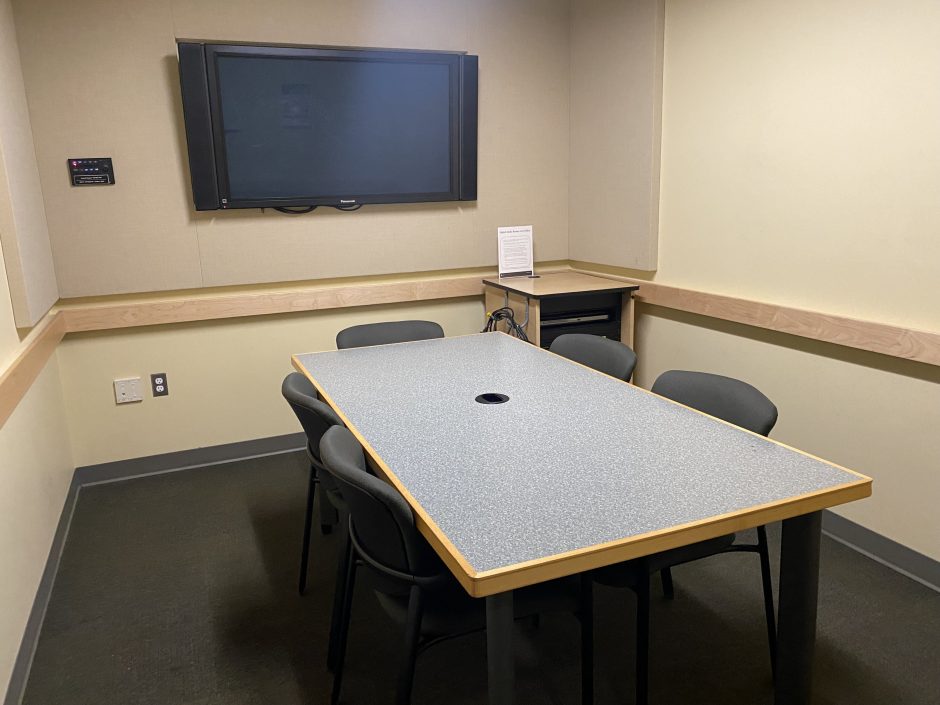
    Snapping Back to Reality: University Edition

    Image of a green alarm clock
    Photo by Abdul A on Unsplash

    “Brrring”, the sound of my alarm rings as I ‘wake up’ startled from a 3 hour night sleep. I rush to the washroom, splash my face with water, and brush my teeth only to jump back into bed… but with a laptop this time. As I open up my class Zoom link, join, and triple check that both my mic and camera are off, I remind myself that it’s okay if I end up dozing off during the lesson because “the class is recorded anyway.” 

    Fast forward a year or two and well, things aren’t the same anymore. No more making breakfast while my teacher rattles on about theories and technical rules. No more rolling into class with the same PJs I slept in because no one will even see me anyway. No more banking on Covid extensions for assignments and switching between Zoom tabs during back-to-back classes. The reality that faces us now is: in-person classes. As a second year student, these are some habits that I have installed in order to set myself up for success both during and after this switch.

    Step 1: Intentions, Intentions, Intentions!

    Before I do anything at all, my first step is to start with clear goals. Norman Vincent Peale, an American positive thinking author, once said, “Shoot for the moon. Even if you miss you’ll land among the stars.” Though most of the time we interpret that as setting high and unconventional dreams, I like to take the general idea of having clear and visible goals and not falling into the finer details. The best method for setting goals is to use a goal setting system like SMART. When choosing goals, I find the best thing to do is:

    1.  Reflect on my habits.
    2.  Make a list of things I want to improve.
    3.  Choose the top three things that I can incorporate into my daily life smoothly.

    Bonus tip, a study done by Gail Matthews at Dominican University showed that actually writing out your goals makes you more likely to stick to them. Guess it’s time we entered our journaling era, sorry technology!

    Step 2: Making a Routine

    After coming up with goals, it’s time to build a routine. During Covid, my typical school and self care schedules were all over the map, not to mention the nocturnal habits I picked

    Images of three pre-prepped meals
    Photo by Ella Olsson on Unsplash

    up. When entering into university, it was important that to built a routine suitable with my lifestyle and also incorporated healthy habits. My sleeping and eating habits were the areas that needed the most support. Getting minimal sleep and eating poorly depending on my mood were not going to help me excel. Because of this, I made sure to set aside blocks of time where I would sleep, eat, and MEAL PREP. After a week of on-campus food, things don’t hit the same. I still struggle with prepping food all the time but I try to limit meals outside to 2-3 times a week so that my wallet and stomach stay happy. Learn more about routines by visiting this blog by my fellow CLCAs!

    Step 3: Time Blocking and Scheduling

    Our day-to-day activities, events, social commitments, and appointments take up a considerable portion of our time. A game changer method that I love to use to track my commitments and to make sure they don’t conflict (as well as preventing myself from feeling too stressed or overwhelmed) is time blocking! To learn more about time blocking as well as all things calendars, check out this blog post.

    Summary:

    Too long & didn’t read it all? The biggest takeaway from all of this is to reflect, reflect, reflect, create a routine, and create a visual time-blocking system to help you schedule. University is tough, but a good organization system can go a long way!

    P.S: A good tool I recommend is using Notion. You can read more about this gem and all it has to offer on one of our blogs. I was afraid of it at first because it seemed too complicated for me, but once you overcome the fear, it’ll become your bestie!

    Chart Your Degree Better Than Degree Navigator | How to Maximize Academic Advising Appointments

    When I first came to UBC, I was anxious trying to double check what high school credits transferred over, as well as what courses were available. I went to academic advising over the summer, which helped so much! New environments and new situations, like going to academic advising for the first time, can be overwhelming. Here are some tips that I have used to make the most of my academic advising appointments along my university journey.

    Tip 1 – Write Out Questions

    To set myself up for success, I like to plan out questions in advance. These are the questions I found really helped me out:

    Major-related questions

    • How do I apply for a certain major?
    • Where do I find major requirements, and track the status, and eligibility (co-requisites, or pre-requisites)?
    • Where do I find data on the previous feedback of the courses and previous grades distribution?
    • What kind of courses should I take in a semester – whether it be a mixture of elective and core courses or a standard time table?

    Course Capacity

    • How do I get on a course’s waiting list?
    • What is the likelihood of getting into a class from a waitlist? 

    Transfer Credits

    • How do I apply for transfer credits and am I eligible (either from different educational institutions, or other courses)?
    • How do I get course registration approval?

    Advisors don’t provide opinions on what courses to take except for clarifying what degree requirement a course may cover.

    Tip 2 – Where to Go and When

    For me, it was challenging to know the right time to communicate my goals and questions; communicating early and often, as well as in one sentence, helped my advisor cater resources to me. The following avenues helped me find specifics on requirements, booking advising appointments, and common helpful resources:

    1. Check out your faculty specific advising pages for information on how to book an appointment and more! 
    2. Use SSC: Finding ESP Advisor with Student Services
    3. Graduate, postgraduate, or other types of students: Forms or call 604 822 9836

    Tip 3 – Take Notes

    I found advising appointments overwhelming in terms of information, resources, and emotions. Using my laptop to take notes and track links was helpful since it’s not always guaranteed that you will meet with the same advisor every time. Taking notes really helped me feel less overwhelmed before, during and after my advising appointments since I knew what I wanted to bring up and could reflect on it after. This was a great way to reference back to resources, as well as to self-advocate from previous conversations I had with other academic advisors. 

    Tip 4: Apply your knowledge and chart your degree

    After talking to academic advising, I wanted to apply what I learned in the meetings. In SSC, I used the “worklist” function. This is a great tool to see how the courses for an upcoming semester may or may not fit together. 

    Screenshot by India

    Making a chart to apply the information I learned helped me visualize and organize the progression of my degree. Here is what mine looks like:

    Photo by India

    Planning and using UBC advising is a great resource (and the most official), but it’s not the only one. Remember to take advantage of all the “class advice” open to you including friends, the Chapman Learning Commons resources, students.ubc.ca and other web resources! Share your to-go resource in the comments below.

    Year 1 Winter Term 1
    What Requirement does it fulfillCourse (credits)Status

    Literature requirement 

    (6 credits)

    Literature requirement 

    (6 credits)

    ASIA XXX (3 credits)

    Alternatives: 

    ASIA XXX (3 credits), 

    ASIA XXX (6 credits)

    Completed

    Research requirement 

    (9 credits)

    Research requirement

    (9 credits)

    POLI XXX (3 credits)

    HIST XXX (6 credits)

    Incomplete

    Electives (12 credits)

    Electives (12 credits)

    ASIA 394 (3 credits)

    ASIA 394 (3 credits)

    Incomplete
    Year 1 Winter Term 2 Year 1 Winter Term 2

    Electives (3 credits)

    Electives (3 credits)

    GEOG XXX (3 credits)

    GEOG XXX (3 credits)

    Incomplete

    Major Requirement

    (12 credits)

    Major Requirement

    (12 credits)

    FREN XXX (3 credits)

    FREN XXX (3 credits)

    Incomplete

    Making the Most Out of In-Person Classes

    Though most of us may go to class for the sake of attending, there are far more valuable experiences to gain when learning in-person. Making small efforts to connect more with our surroundings will let us stay on track and gain more confidence throughout our undergraduate years. Here are some tips that I find helpful to keep in mind to help make the most of our time in the classroom!

    Photo by Jason Goodman on Unsplash

    Stay Focused

    Attending classes in-person automatically decreases the number of distractions. Sharing a similar environment where everyone is paying attention can be a motivating factor to stay away from other distractions, like surfing the web, or worrying about other ‘To Dos’ [1].

    Other Tips

    • Complete pressing tasks on your laptop, and silence notifications before entering the lecture. I find that this helps me space out way less often and focus on the instructor with more ease.
    • Find a new note-taking method that works best for you in person. Our toolkit on Taking Notes might be helpful to find new note-taking strategies!
    • Jot down questions that pop up throughout the lecture. I try to email the instructor for more clarification about course material or an assignment that was mentioned before I have time to forget about it! Another option is to ask a nearby lecture/discussion buddy. It helps me sort out all the information I need and gives me a clearer idea on how to divide and complete my assigned tasks early on.
    • Schedule readings around classes – some courses may suggest to do them either before or after class. Either way, choose what works best for your learning style and schedule to stay organized.
    • Our physical location in the classroom matters! Sitting at the front helps me stay more alert. Though it may be tempting to sit in the back and relax, this makes retaining course content and details about assignments more difficult, and being attentive in class makes studying easier in the future. (Do make sure to avoid left-handed desks, unless you are left-handed, so you can relax your arms when taking notes)
    • Take a bike or skateboard on campus! It gets you to class earlier and it’s great exercise.

    Participating in Class

    Lastly, let’s look into making and getting the most when attending live classes. Attending lectures in-person has been shown to motivate students to engage with class material further than joining virtually [2].

    • Participating helps learning. Answering questions during lectures establishes a familiarity with the instructor and the course material. It is also a useful tactic to gain more insight and ideas for assignments, projects, etc. Raising our hand in a large lecture hall can be quite overwhelming, so I personally find that visiting office hours is the best way to get questions answered and build more rapport with the course and instructor.
    • When communicating with peers, take the initiative to talk with classmates during group discussions or assignments. For me, it helps lessen isolation. Engaging with others outside an identified “close group” has also been shown to improve students’ mental health too [3]. Talking about topics outside of the assignments helped me create more connections with others. In classes that do not use group settings, I start by introducing myself to someone next to me and keep in touch with them throughout and after the course.

    Remember to take it easy – managing schoolwork while creating new connections is complicated! However, it is always worth keeping in mind that being more integrated with academics and social communities will definitely benefit us in the long run.

    Do you have any tips for making the most out of in person classes? Share them in the comments below.

    Resources Consulted:

    American Consumer Credit Counseling. (n.d.). The What, Why And How Of A Budget Plan. https://www.consumercredit.com/debt-resources-tools/budgeting/why-use-a-budget/the-what-why-and-how-of-a-budget-plan/

    UBC Student Services. (n.d.). Financial Blanning. https://students.ubc.ca/enrolment/finances/funding-studies/financial-planning

    Vohwinkle, J. (2020, October 6). How to Make a Personal Budget in 6 Easy Steps. The Balance. https://www.thebalance.com/how-to-make-a-budget-1289587

    Supporting Collaboration

    In the past, working on a common document could be a nightmare: the easiest solution was sharing a file over email, but this would result in multiple, conflicting versions, a limit of one editor at a time, and confusion over who had written what. Now, tools like Google Drive make this easier: documents have their own ‘homes’ on the internet, access can be restricted to certain individuals or opened to everyone, and all editing and collaboration happens in one place.

    What do you need to do?

    In order to choose the right tool to support your work, consider the kind of activity you will be engaged in:

    • collecting and sharing resources
    • writing a paper together
    • brainstorming collectively

    There are several options for tech tools to support your collaborative projects. Here are a few we found useful.

    Collect, Assemble and Collaborate: Wikis

    The UBC Wiki

    1. Go to the UBC Wiki

    2. Add a slash and the name of your project or page to the address: e.g. https://wiki.ubc.ca/Sample

    3. If you don’t have an account, you’ll be prompted to create one.

    4. You’re now the owner of that page! Click edit, type something, and scroll down and hit ‘save’ to preserve your work.

    5. Your wiki page is now online: anyone on the internet can view it, but only people with UBC wiki accounts can edit it.

    6. Share your wiki page with your groupmates. Anyone with a UBC wiki account will be able to edit your page, or leave comments on the talk page.

    What are wikis good for?

    • sharing resources and links between group members.
    • brainstorming ideas.

    Wikis are easy-to-edit, collaborative webpages, perfectly suited to sharing resources and links, as well as writing summaries and putting together well-cited works. UBC hosts a wiki that’s open to students, staff, and faculty. In addition to providing you with a great deal of control over how your page is formatted, wikis allow you to comment on your pages and track revisions. Wikis support a single editor on a page at once, but allow linked or transcluded pages: perfect for larger projects.

    Write and Compile: Documents and Spreadsheets

    Google Drive

    1. Go to Google Drive

    2. Login with your Google account, or if you don’t have one, create one.

    3. Create a folder or document.

    4. Use the sharing functions to give your other group members access to the documents. All you need is their email addresses: they’ll be sent a direct link to the document. If they can’t see it, have them check their junk and spam folders.

    Useful features:

    • Supports multiple users editing a single document at once.
    • Frequently and automatically saves your work, protecting you from losing your file if your computer crashes.
    • Keeps track of previous revisions which you can access with the Revisions button.
    • Features a desktop version, allowing you to keep a backup of your work, and edit documents offline.

    Create and Demonstrate: Diagrams and Images

    Flickr

    Flickr is an image hosting site. You can upload, share, and edit your photos, and add them to your documents or websites. Flickr also hosts a number of Creative Commons photos that you might be able to use in your projects: make sure to read the licenses carefully!

    Gliffy

    Gliffy is another web-based tool that allows you to quickly create, share, and edit mind maps with group members.

    More resources to help you:

    Getting Started and Getting Organized (from the Derek Bok Center at Harvard)

    Including Everyone and Their Ideas (from the Derek Bok Center at Harvard)

    Video on Data Visualization: from the Presentation Toolkit has some great tips for tools to help you visually represent your data.

    Just remember, if you’re signing up to a web service hosted in the U.S.A., you’ll want to take note of their privacy policies before you give up any personal information. The United States have different privacy projection laws than Canada does. The Canadian government released these tips for protecting your personal information across borders.