Since 2016, the Chapman Learning Commons has hosted Profs in Commons, embedding professors’ office hours in the Learning Lounge on level 3 of the Irving K. Barber Learning Centre. Regardless of the classes they are teaching, our Profs-in-Commons welcome students from any discipline to stop by!
For questions about the Profs in Commons program, please contact Alex Kuskowski (Learning Services Librarian).

Office Hours
Learning Lounge | Level 3 | IKBLC
Winter Term 2 | January 5, 2026 – April 10, 2026
- 09:00
- 09:30
- 10:00
- 10:30
- 11:00
- 11:30
- 12:00
- 12:30
- 13:00
- 13:30
- 14:00
- 14:30
- 15:00
- 15:30
- 16:00
- 16:30
- 17:00
- 17:30
- 18:00
- 18:30
-
Monday
-
Tuesday
-
Dr. Neil ArmitageDr. Chelsea FreebornDr. Kathy GreavesWednesday
-
Dr. Kathy GreavesThursday
-
Dr. Neil ArmitageDr. Chelsea FreebornFriday
Meet some of the Profs!
Dr. Chelsea Freeborn

I am a Lecturer in the Family Studies program, which is housed in the Department of Sociology. I am a fairly recent arrival to Vancouver and UBC, having lived and worked previously in Edmonton. It is there I received a PhD in Human Ecology (Child, Youth and Family Science) from the University of Alberta. I also instructed for a number of years in Edmonton at MacEwan University in the Bachelor of Early Childhood Curriculum Studies program (communication and family streams). I’m very inspired to connect with students in a meaningful way that supports their success and deeper understanding of courses and their material. When not working, I enjoy listening to music (ideally outdoors), going for nature walks, and spending time with the important humans and animals in my life (including two labradoodles).
Dr. Kathy Greaves

I am a Lecturer in the Family Studies minor which is part of the Department of Sociology. This year, I am teaching FMST 210: Family Context of Human Development and FMST 316: Human Sexuality. I received my PhD in Human Development and Family Studies from Oregon State University (OSU) where I remained as an Instructor for 18 years. While at OSU, I typically taught introduction to families and human sexuality courses with enrollments from 400-600, resulting in an estimated 45,000 students who took my courses. Cultivating personal growth in students is the central tenet to my teaching. I hope that their experiences in my courses help them to have a better understanding of themselves as individuals as well as facilitate successful and satisfying intimate and familial relationships.
Dr. Neil Armitage

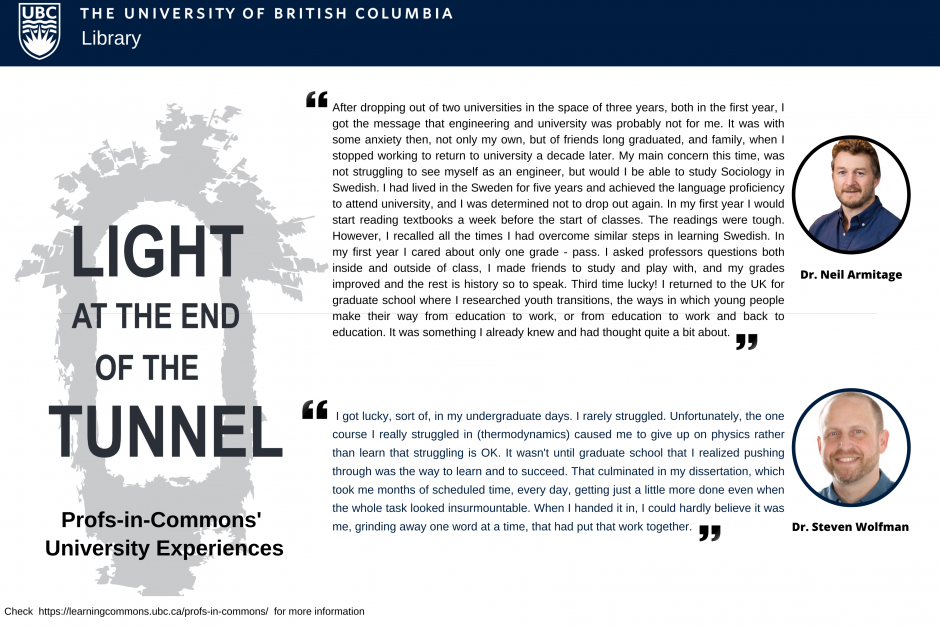
After dropping out of two universities in the space of three years, both in the first year, got the message that engineering and university was probably not for me. It was with some anxiety then, not only my own, but of friends long graduated, and family, when I stopped working to return to university a decade later. My main concern this time, was not struggling to see myself as an engineer, but would I be able to study Sociology in Swedish. I had lived in the Sweden for five years and achieved the language proficiency to attend university, and I was determined not to drop out again. In my first year I would start reading textbooks a week before the start of classes. The readings were tough. However, I recalled all the times I had overcome similar steps in learning Swedish. In my first year I cared about only one grade – pass. I asked professors questions both inside and outside of class, I made friends to study and play with, and my grades improved and the rest is history so to speak. Third time lucky! I returned to the UK for graduate school where I researched youth transitions, the ways in which young people make their way from education to work, or from education to work and back to education. It was something I already knew and had thought quite a bit about.
Dr. Katja Thieme

I have an M.A. in art history from Universität Leipzig, Germany, an M.A. in English from UBC, and a Ph.D. in English language studies from UBC. I have also studied at Carleton University in Ottawa.
My research interests include genre theory, forms of public address in social and political movements in Canada, discourse analysis of research writing, as well as late nineteenth- and early twentieth-century Canadian literature.
Dr. Dennis Foung

I am a lecturer at the School of Journalism, Writing and Media (JWAM) and mainly teach WRDS 150B. I “enjoy” doing degrees and hold a number of academic qualifications in the fields of adult education, language education, language studies, human resource management and development, and data science.
Prior to joining JWAM, I was a member of the Learning Analytics team at the UBC’s Centre for Teaching, Learning, and Technology. I also taught academic literacy for more than 15 years in Hong Kong and Canada. I have a keen interest in big data research.
Dr. Laila Ferreira

I am an Assistant Professor of Teaching in the School of Journalism, Writing, and Media (JWAM) with a particular focus on writing studies and the teaching of academic research, writing, and communication. I have participated in cross-campus initiatives related to the first-year experience, Universal Design for Learning (UDL), decolonizing and internationalizing the curriculum, and inclusive teaching and course design for a diverse student body.
As a queer cis-gender woman and first-generation university graduate, I am a co-researcher on studies that address the learning experiences of students from historically, systemically, and persistently marginalized communities in the academic research and writing classroom. My current activities include a co-authored paper on the language of gender in research writing on facial recognition software and a project on establishing the characteristics of inclusive teaching of writing that promises pedagogical strategies and resources for the inclusive teaching of writing across all disciplines at UBC. I am also a creative writer and avid reader of fashion history and historical fiction.
Dr. Jonathan Graves

I teach intermediate and senior undergraduate courses here at the VSE, focusing on how we can use economic intuition, modelling, and data analysis to understand the world around us. My pedagogical research includes developing undergraduate researchers, experiential learning, community-engaged learning, and the scholarship of teaching and learning. My economic research areas include applied microeconomics, and industrial organization.
Other Resources
Map
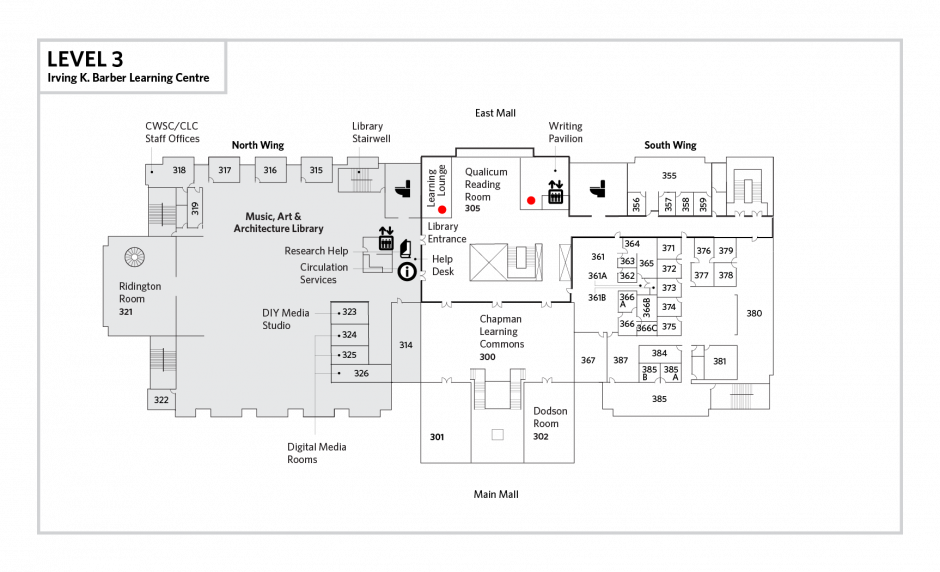
The Profs-in-Commons’ host their office hours in the Learning Lounge, located on Level 3 of the Irving K. Barber Learning Centre.
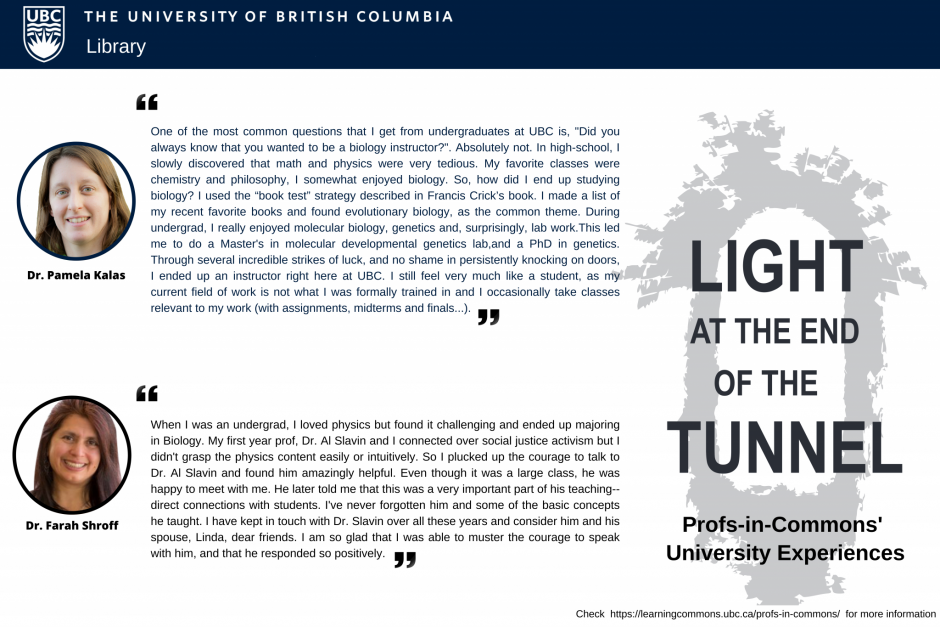
Profs-in-Commons’ University Experiences
Interviews by CLC Assistants, 2019.
Videos
Wondering How to Become a Club Exec? Start Here!
Seeing everyone post their new and fancy exec positions on LinkedIn and Instagram can be SO intimidating. I remember starting at UBC and being terrified by the whole exec hiring process. Now, in my third year, I’m VP Productions for UBC Players Club and VP Marketing for UBC Anime Club. Whether you’re in first year or third like me, here is my step-by-step guide for becoming the newest exec at your favourite club!
Find a club that interests you.
Fun fact: UBC boasts over 400 clubs and undergrad societies–all of which can be found in the AMS Club Directory! Going through that longlist can be daunting, so I prefer to use social media, specifically Instagram, to see (or stalk…) the clubs that I’m considering joining.
Clubs Fair is also happening again at the beginning of Term 2, usually at the end of January! This is also a great opportunity to learn more about a club by visiting their booth, as well as purchase a membership if you have your heart set on a specific club.
Come to an event or social.
Events and socials are a great way to become familiar with what a club does and who their members are. In my first year, I tried to come to all of the icebreakers and launch parties of each club that interested me. I was surprised by how differently each club handled their events, but this helped me narrow down which clubs I would stick with.
Start off by volunteering.
Some clubs will offer entry-level lower-year or volunteer positions either for specific events or throughout the term. Before becoming VP Marketing for UBC Anime Club (cheeky plug), I started off volunteering by making graphics and writing newsletters. This gave me a feel for the workflow of the club, while also giving me valuable experience and transferrable skills for being an exec.
Plead your case at the AGM.
All AMS clubs are required to have an Annual General Meeting at the end of each term, with the Term 2 AGM being used for electing the new executives for the following school year. Here, people announce their decision to run and campaign to the other club members. When running for my position, I showed my past work as a volunteer to show what I have done for the club previously, as well as sharing some future plans I had if I were to be elected.
Be prepared for the commitment.
Being an exec is time-consuming (in a good way!). There are multiple meetings a week, tasks to be done in time for the next event, and many, many questions to answer from both new and recurring members. However, despite the large commitment, holding an exec position has been extremely fulfilling for me. I’m able to pursue my own hobbies and interests while also giving back to the club and fostering a sense of community. I’d recommend it to everyone here at UBC!
Good luck!
Winter Break Recommendations
Winter break can feel like a pause button. After the rush of the semester, I finally have space to slow down, reflect on the year behind me, and look ahead to the new one with excitement. The books I reach for during this time are the ones that inspire me, challenge me, and leave me with values I want to carry into the new year.
Winter break reading lists often lean on snowy backdrops, Christmas cheer, and holiday favourites. But for me, growing up in India, the holidays looked very different. I never experienced a white Christmas. In fact, I didn’t even discover the Twilight series until very recently! My sense of “classics” and comfort reads has always been shaped by a different context.

Image by AlexRaths / iStock by Getty Images So, this list is not your everyday winter classic; it’s an immigrant’s take on it, featuring books that have inspired and entertained me during my breaks.
Heartwarming & Hopeful Reads

The Reason You Walk
by Wab Kinew
This memoir follows Wab Kinew as he reconnects with his father, a residential school survivor and former Chief, during the final year of his life. It’s a moving story about reconciliation, forgiveness, and carrying forward both the pain and the strength of your heritage. It helped me reflect on how to start the new year with compassion and purpose.
The Secret Wish List
by Preeti Shenoy
This book follows Diksha, whose one mistake in her youth sets the course of her life — until she writes down a secret wish list, rediscovering her forgotten dreams. It’s about self-discovery, love, and courage, while also showing the everyday pressures women face in domestic spaces. It’s the kind of read that made me pause and ask: what’s on my wish list?

Quick Reads for Busy Breaks

Em and the Big Hoom
by Jerry Pinto
I picked this book up on a whim and couldn’t put it down. Set in Bombay, it follows a son trying to make sense of his unpredictable, hilarious, and often heartbreaking mother, Em. One moment I was laughing at Em’s sharp comebacks, and the next I was just sitting with the heaviness of her struggles. It reminded me so much of how family love is never perfect, but still one of the things that holds us together.
The Housekeeper and the Professor
by Yoko Ogawa
This is one of those quiet books that stays with you. It’s about a math professor who loses his memory every 80 minutes, and the little world he builds with his housekeeper and her son. On the surface, it’s about math, but really, it’s about kindness and the small ways people connect. It gave me a gentle reminder to slow down and notice the little things in everyday life.

South Asian Classics

Train to Pakistan
by Khushwant Singh
Set during the Partition of India in 1947, this novel tells the story of a small village on the India-Pakistan border that is suddenly caught in the violence of history. It is based around the lives of ordinary people; their love, fear, and moral choices. It showed me how the decisions of upper-class bureaucracy affect ordinary lives, and how quickly peace can turn to tragedy.
A Suitable Boy
by Vikram Seth
This epic novel follows Lata, a young woman in post-independence India, as she navigates family expectations, love, and the search for “a suitable boy.” I kept turning the pages, reading how politics can shape the choices we make, even those related to love! It’s a long read, but worth every page.

At the end of the day, winter break feels like the perfect time to pause, recharge, and let a good story keep you company. These books helped me reflect on identity, belonging, and storytelling from different parts of the world — I hope one of them will speak to you, too.
Quick Meals for Intense Study Nights: Fuel Your Brain Without Losing Time

Photo by Devang Saklani on Unsplash The most stressful time of the year is definitely finals season; this is usually when prepping and eating meals feels like a waste of time.
But what if I told you that eating is really a study tool, and not just a distraction? For me, skipping meals to study backfired, as eating less often left me nauseous and unfocused. Then I started using my study breaks to make quick, proper meals instead. Almost right away, I felt energized instead of nauseous, and my head got clearer. Here’s the thing; it turns out specific foods really do boost brain function.1 To stay sharp, we need things like meat, fruits and veggies, fish, nuts, and grains.1,2
These three single-serve recipes became my anchors. You’ll likely have all these ingredients, and they’ll take about 15-20 minutes to make!
Recipe 1: Turkish Pasta
Ingredients:
- ½ cup whole-grain pasta
- ¼ lb ground beef
- ½ diced tomato
- 1 tsp paprika
- 2-3 fresh parsley leaves or dried parsley
- 1 tsp of butter or olive oil
- ¼ cup plain yogurt
- 1 tsp minced garlic
- paprika (if you like spice!)
Steps:
- Cook the pasta until al dente (10 mins). Drain the water once it is done and add a tablespoon of butter (or olive oil).
- Brown the beef while the pasta is cooking (5 mins).
- To the plain yogurt, add a teaspoon of minced garlic and mix.
- Top the pasta with the beef, yogurt, tomatoes, and parsley.
- Sprinkle paprika or make a paprika sauce (with melted butter and paprika) to top it off!

Photo by Manel Recipe 2: Chicken Caesar Salad Wrap
Ingredients:
- 1 large tortilla
- 3 breaded or grilled chicken strips
- 2 tbsp light caesar dressing
- ¼ cup shredded romaine lettuce or other green leaves
- croutons (optional)
Steps:
- Air fry or bake the frozen chicken strips, or make the grilled chicken (10 mins).
- Chop up the chicken into cubes.
- In a bowl, combine romaine lettuce, chicken, caesar dressing, croutons, and parmesan.
- Warm the tortilla on a pan for 20 seconds on each side.
- Add the chicken caesar salad to the tortilla, then fold both sides and roll tightly.

Photo by Manel Recipe 3: Tunacado Sandwich
Ingredients:
- 2 slices of bread (I love sourdough, but toasted bread or anything like a baguette piece works too!)
- ½ can tuna (drained)
- 1 tbsp mayonnaise
- 1 lemon for juice (¼ teaspoon)
- 1 tsp pesto
- 2 slices deli chicken (optional but does fill you up more)
- 1 slice of (any) cheese
- ½ sliced tomato
- ½ avocado
- A handful of lettuce
Steps:
- Panini press or toast the bread on both sides (<5 mins).
- Mix the tuna, mayo, salt, pepper, a squeeze of lemon and, if you want it spicy, put a bit of hot sauce in it as well.
- Once the bread is ready, layer it with the mashed avocado, pesto cheese, tuna mix, tomato, deli chicken, and lettuce.

Photo by Manel
These balanced meals are easily adjustable and may(?) prevent crash-outs.But even if they don’t, 30 minutes spent making and eating a meal isn’t going to negatively affect exam performance; if anything it helped me and hopefully, will help you too!
I hope you try one of these recipes during your next late-night session. Do you have another recipe? Share it below!
References:
- Gómez-Pinilla F. (2008). Brain foods: the effects of nutrients on brain function. Nature Reviews: Neuroscience, 9(7), 568–578. https://doi.org/10.1038/nrn2421.
- Corliss, J. (2024, April 3). Putting processed foods into perspective. Harvard Health Medical School.https://www.health.harvard.edu/heart-health/putting-processed-foods-into-perspective.
Burnout Isn’t Just Being Tired: Let’s Talk About It
Do you ever feel like you’ve got absolutely no energy to do anything, even when you’re bored out of your mind? You might be burnt out.
You’ve probably heard the term tossed around a lot, especially after exams or during busy seasons. However, burnout is more than just being tired. The World Health Organization defines it as “a syndrome conceptualized as resulting from chronic workplace stress that has not been successfully managed.” Now swap out “workplace” for “school,” and yeah, makes sense, right? University can definitely feel like a full-time job, but the boss is the syllabus and promotions are just more deadlines. Burnout isn’t just about being overworked. It’s about being emotionally and mentally drained. When I was burnt out, it was to the point where even activities I loved doing didn’t feel worth the effort anymore.

Going into third year, I’ve only really experienced burnout twice. Compared to my lighter first year, the second year hit me like a truck. I had early mornings, five or six intense courses per term, and this constant background noise of comparing myself to other students who seemed to have it all figured out. I did force myself to lock in during finals season, but once they were over, I realized that those awful semesters had left me feeling burnt out. I remember just lying in bed, doom scrolling on social media, watching other people do all the things I wished I could get up and do. That made it worse because now not only was I not doing anything, I was also stressed about not doing anything.
What got me finally moving? Putting things into perspective. I started small: one day I folded laundry and cleaned my closet. Next, I deleted old screenshots of lecture boards I never used from my photo gallery and tidied my laptop. Slowly, I added in things that made me feel better: baking, a bit of skincare, and even 10 minutes of cardio. Not all days were productive, but these small steps helped me recharge.
Here are seven simple things I tried that helped me take a break from burnout:
- Write a quick journal entry on anything and everything
- Listen to a nostalgia playlist
- People-watch somewhere busy with a sweet treat
- Do some stretching
- Sit outside and doodle whatever catches the eye
- Take a 20 min nap to reset
- Go for a walk outside and get some fresh air

Going outside ultimately made me realize that we really just live on a tiny planet. Sounds obvious, but putting these kinds of things in perspective really changed my whole mindset. I found this blog post super helpful to find a bunch of beautiful, outdoor places in UBC that gave me the fresh air I needed!
To end this off, I would say to watch #hopecore reels/videos, they honestly work. Burnout takes time to recover from, and sometimes the best thing to do is to take a break. I took this advice and when I was ready, trying one small thing was what made all the difference. I hope my experience made you feel less alone and remember to start small!
Photo by Jamil Rhajiak / UBC Brand & Marketing on Flickr
References:
Chapman Learning Commons. (2024, October 25). Outdoor Spots to Practice Mindfulness. https://learningcommons.ubc.ca/outdoor-spots-to-practice-mindfulness/.
World Health Organization. (2019, May 28). Burn-out an “occupational phenomenon”: International Classification of Diseases. https://www.who.int/news/item/28-05-2019-burn-out-an-occupational-phenomenon-international-classification-of-diseases.
Balancing Hobbies with Academics & Work
I consider a hobby to be something I loved to do as a child, but later grew up to understand, due to various circumstances, that I might not be able to pursue it anymore fulltime. It’s something that still brings me joy and makes me engage with parts of myself I thought I had buried a while ago, while getting busy with more important things like academics or work.
Now, of course, a hobby doesn’t have to be something that I’ve been doing for a while, it can also be something new that I have been wanting to try out now, as a student or an adult!
But I get it, sometimes life can be too much with just focusing on academics or work. It’s difficult to add hobbies to the already packed schedule and thrive at everything. But the fact that you’re even here, reading this blog to understand how you could possibly balance things out means you’re halfway there! And this effort won’t go unnoticed.
I’m by no means an expert on this. I’m just a 4th-year university student currently balancing studies, a part-time job and some extracurriculars. However, doing all this has allowed me to strengthen my sense of time management. Therefore, I am happy to share some tips and tricks that have worked out for me!
My current hobbies include learning more about pre-history, going to the gym consistently and getting better at identifying geographical locations! Yours can be anything you have an interest in, like knitting or snorkeling! 🙂
Welcome to Time-Management 101 (at least my version of it).
Making a visual schedule
I’ve noticed that having a set schedule with all your tasks and activities for the week helps a lot in terms of planning and understanding where you could have time to fit in your hobby. You can also colour-coordinate your schedule if you’re feeling extra whimsical! I also like to have an assignment/to-do tracker (example given below) that helps me plan ahead for when I can spend more time towards my hobby.

Being consistent with it
(yes, even if you have that one show you need to catch up on!)
It’s very easy to sometimes skip doing your hobby when you have other priorities. However, ignoring your hobby consistently often turns it into a skill you used to know. I’ve personally gone through this, and the regret of forgetting this skill is painful (like when I lost most of my ability to engage with and read Japanese). Being consistent and ensuring that you take time out of your schedule to do something you like is rewarding, not just because you like doing it, but also because it keeps you grounded and helps alleviate stress from other priorities!
It’s a hobby, not a chore
Contrary to the previous point, your hobby is still your second priority. Spending too much time on it to the point that it conflicts with your studies and work might not have the best outcome. A hobby, at least in my opinion, has to be something you enjoy doing, not something that might add to your workload. So, being mindful of that and setting boundaries will help ensure that you can: 1. Continue to do the hobby for fun and, 2. Use it as a break from your daily mandatory tasks!
Start small, but keep at it
This is not really a point on time-management, but more so to help you understand why you’re doing this activity in the first place. For example, learning about specific geographic locations on the side wasn’t an easy task, and I wanted to give up when it got hard. At times like this, taking a step back and taking it easy might be the way to go. Don’t give up just yet! Keep at it for a while, even if it’s a smaller dedication, and you’ll eventually see a lot of progress!
I hope these points have given you some guidance or motivation to get into a hobby that you find interesting. Please let us know in the comments if you have something in mind you’d want as a hobby! 👀A Guide to using Friendlier Reusable Containers on Campus

Image taken by Fahmia Coming back to campus this fall, I noticed all the students holding blue reusable cups and boxes, and wondered why it seemed like everyone had one of these blue containers but me? No, it is not some new trend that has taken hold of the campus, instead, it is UBC’s ‘New Green Initiative’ to reduce waste.
I encountered Friendlier reusable containers throughout campus at various UBC establishments, including Harvest, Blue Chip, and Honour Roll. After some research I found this is way this system works: once I order something from one of these places, they will give my order to me in one of Frendlier’s reusable containers and take a deposit of around 0.50 to 0.85 cents, depending on the type of container, in addition to my payment. Once finished with the item, I can either keep it and reuse it at home and Friendlier keeps the deposit, or I could return it to one of the various “return” boxes and get my deposit back.
Steps to getting the initial deposit back:
Step 1
Download the Friendlier App from the app store.
Step 2
Scan the Friendlier App from the app store
Step 3
Throw the used container into one of the designated friendlier deposit boxes that are placed around the Nest or other locations that use Friendlier.

Image taken by Fahmia Step 4
After scanning the QR code it can take 1-2 weeks for the deposit to be returned to the user.

Screenshot taken from Friendlier app Step 5
Once the deposit is back, a choice can be made as to whether to transfer the deposit back into the bank account connected to the app or to donate the deposit amount.
I found UBC’s initiative to use Friendlier containers instead of single-use plastic containers to be a great way to make university a more sustainable place and help us all reduce our waste. Some statistics from the Friendlier website that I found to be very encouraging and which further motivated me to continue using Friendlier, include: they have reused 3,550,793 containers in total, saving over 596,533 kgs in greenhouse gas emissions, which is how much a commercial airliner releases after flying 6628 hours (Reusable Food and beverage packaging). So far, they have also saved 28,406,344 litres in water which is approximately 10 olympic size swimming pools (Reusable Food and beverage packaging, n.d).
I know that sometimes I feel that the impact of an individual on the environment is negligible but through using this app, I have realized that my everyday efforts do matter. Through Friendlier, UBC has given the community the opportunity to reduce our environmental impact smoothly and easily. Once the app is downloaded, it takes less than a minute to scan and toss the container into the proper box. So there’s still the convenience of to-go items but there’s also a waste reduction.
While Friendlier has started to be present at UBC, it’s not the only way to recycle. Let us know about some of the other ways that you reduce your environmental impact or recycle other to-go containers in the comments below.
References
Reusable Food and beverage packaging. Friendlier. (n.d.). https://www.friendlier.com/
I Tried It! Doing 10 Minutes of Yoga Before Bed
I have been experiencing some back pain for a few months now due to frequently sitting at my desk to study or work, not being very physically active and having bad posture. All of this combined has led to tension build-up, especially in my upper and lower back. If you’re like me, dedicating yourself to your desk for long hours may also result in recurring pain and bad posture.
My doctor told me to be more active and do some stretches. However, going to the chiropractor for multiple sessions does not seem financially sustainable as a student. Therefore, I decided to take matters into my own hands. I went to YouTube before bed one night and searched for “stretches for upper back”, as the tension there was more persistent. Out of the few videos, one that caught my eye was labelled “Yoga for Neck, Shoulders, and Upper Back”, and so I clicked on it and started following the 10 minute video.
After I was done, I immediately felt relaxed and my back felt lighter; as if the tension had been slightly lifted. The instructor made me do meditation as well, which made my brain wind down. I didn’t feel the need to go on my phone again before bed, as I felt ready to sleep right away.

Photo by Yoga with Adrienne on YouTube Because this video seemed to help alleviate my pain a little, the next day I decided to do the process again before bed. I was worried as I had an exam the day after and felt like I wouldn’t be able to sleep, but the yoga mixed with meditation helped me relax and unwind so I could fall asleep much more easily.

Photo by Chelsea Gates on Unsplash After doing yoga for a week, I noticed some changes in my persistent pain and daily routine. The tension in my back had reduced to the point it didn’t bother me as much. I also started to sit straighter in order to curb the pain and that helped as well. I felt more mobile, light and not as stiff as before. The meditation helped me reduce screen time before bed, and because my sleep improved, I had slightly more energy during the day.
It was quite surprising that a small change, such as doing a 10 minute yoga routine before bed affected me so positively. It made me want to chase that feeling and so I gradually started to increase my time to 15 minutes and targeted other parts of my body where I felt stiff. There were definitely times when I felt lazy or too tired to do the yoga, but remembering how the pain reduced after each session kept me going, and eventually I didn’t feel the need to keep consulting a doctor or search for other methods that might cost money.
That’s why I highly recommend this practice, as it’s easy to follow, less time-consuming, financially sustainable, and has very nice results. Have you tried exercising for back pain? Let us know your tips and tricks down below in the comments!
3 Years Later in UBC Residence: The Best Resources

UBC Brand and Marketing Flickr Finally got past the long waitlist and scored a spot on campus?
Congrats and welcome to the fun, the chaos, and yes, sometimes the slightly annoying world of residence life. I remember I felt a little overwhelmed at first; I was suddenly sharing my space with strangers and was surrounded by hundreds of other students. But trust me, it also opens the door to so many fun opportunities and new friendships.
As I begin my 4th year of living in residence, I feel like I’m well equipped to recommend some of my go-to resource and tips that honestly made my experience so much better
- Residence Events: Okay, hear me out. I know residence events can sound boring but trust me and just go to one. They’re actually a great way to meet people in the building (and to find a buddy for those random late-night walks across campus) Recently, “The Summer I Turned Pretty” watch parties and sports screenings have been super popular. If you find yourself loving these events, I would recommend running for a position in your residence council next year to help plan and host them.
- Fitness in Residence: Truly a hidden gem: free fitness classes in residence! Yep, no registration, no subscription, nothing at all! I usually just drop in whenever I can. They usually run yoga, mat pilates, cardio-core, and more on weekends. Whenever I am not sure about the schedule, I check online or just swing by my front desk and ask. It’s such an easy way to get moving without committing to a gym membership.
- Overnight Mobile team: I’ve lost count of how many times I’ve locked myself out of my room (always at the worst times, of course). The first time, I ended up crashing on the couch in the lounge because I didn’t know what else to do. Later, I found out that the overnight mobile team could’ve let me back in within minutes. Their number is posted around the building, or they can be reached via help from the front desk of each residence. Honestly, a lifesaver
- AMS Safewalk: This one’s my personal favorite. Whenever I am staying late at a friend’s place, finishing up an assignment, or just don’t feel safe walking alone on campus at night, AMS Safewalk has always had my back. I usually call them, and they’ll either send someone to walk with me or even a car to drop me off if it’s a bit far. I used to call them almost every night when I lived on the opposite side of campus and didn’t feel comfortable doing that 15-minute walk alone at midnight. And a fun fact: this service also covers Wesbrook Village! You can reach them at (604) 822-5355. Save that number in your phone, you’ll thank me later.
Living in residence can be a wild mix of awkward, exciting, and unforgettable. But with these resources, you’ll feel way more at home (and way less stressed when things go sideways at 3 a.m.). Let us know some of your favourite campus resources in the comments below.
Fun Activities & Events for the Fall Semester!
Fall/Winter semesters are brutal. With multiple rigorous courses, extracurriculars, and maybe a job, students can go through burnout and their social lives may take a hit. I know mine does. The sun setting around 4:30pm does not help either. But taking much deserved breaks with friends and exploring new experiences might help alleviate the burnout a little. This is why I have gone ahead and compiled some fun activities/events you can do in the fall semester with your friends to help battle seasonal depression and keep your social life intact! These are all activities I have done in the past which have certainly helped me manage stress. I have also listed the timings and prices of the activities, and all should be accessible by transit, so you can see which fits you the best.
Capilano Suspension Bridge
First on the list is the Capilano Suspension Bridge Park as it lights up in the winter. This event is called the ‘Canyon Lights’, and usually goes on from November to January. The ticket is on the pricey side, with students getting a day ticket for around $60. But the walk through the park feels magical, and the experience is worth it. They also have special light events for Valentine’s Day called ‘Love Lights’, which are equally beautiful for the month of February, and also have something special for Halloween!
Photo by @capilanosuspensionbridge on Instagram


Christmas Market
Next is the amazing Christmas Market that usually takes place downtown in the month of December. It is a German-inspired market with tons of cute hand-made artisan crafts and food stalls. The kind of crafts you might get here are unique, as the artisans travel from around to come and set up their stalls. The food and sweets are also delicious, and the centre of the market has an old-time toy-like clock tower and a huge Christmas tree which you can enter and light up yourself! It truly is a wonderful experience for the festive season. The tickets are usually between $20-$30.
Photo by CLC Peer Assistant Suha
PNE Fright Nights
PNE Fright Nights! It’s an experience that is a little on the pricey side, but really worth it! I love PNE as I’m an amusement park enthusiast. PNE does run for most of the year, but fright nights are only open on specific nights in October. It is a fun way to celebrate Halloween as there are food trucks, carnival games, thrilling rides, and of course my favourite, haunted houses! The park is in East Vancouver and the pricing for the entry ticket is around $50-$60.

Photo by @pne_playland on Instagram

Whistler
Whistler is a nice place to wind down from the semester’s stress during reading breaks. During the winter months, this small, beautiful city transforms into a magical place with shops, wholesome vibes, and if you’re brave enough: skiing or snowboarding! You can plan a day trip or a stay over. However, note that during winter, Whistler does get quite busy and prices might go up for hotels/Airbnbs. You could take a bus from downtown (roundtrip) for around $44!
Photo by @gowhistler on Instagram
Miscellaneous Activities You Can Do Anytime!
If you like skiing or gondolas and epic views, you can visit Cypress or Grouse mountains. (I haven’t skied there but I loved the gondolas!)
You could go to the Butchart Gardens in Victoria for a day, as they light up and have the 12 days of Christmas decorations in the winter. (Their Chinatown is amazing!)
And you can also check out the Vancouver Hot Chocolate Festival where special vendors will sell delicious hot chocolate around the city!
The Abbotsford Pumpkin patch during Halloween is another fun experience, although I haven’t gotten the chance to go there myself yet.
Have you tried any of these activities or have any suggestions for other events in the fall/winter? Please let us know in the comments! I’m always down to try different experiences. 🙂
References
Capilano Suspension Bridge Park. (n.d.). Tickets and hours. https://www.capbridge.com/tickets-and-hours/ (Accessed July 25, 2025)
Capilano Suspension Bridge. (n.d.). [Instagram photo]. Instagram. https://www.instagram.com/p/DE2lV_ivuC4/ (Accessed July 25, 2025)
Vancouver Christmas Market. (n.d.). Home. https://www.vancouverchristmasmarket.com/ (Accessed July 25, 2025)
PNE Fright Nights. (n.d.). Buy tickets. https://frightnights.ca/buy-tickets/ (Accessed July 22, 2025)
PNE Playland. (n.d.). [Instagram photo]. Instagram. https://www.instagram.com/pne_playland/ (Accessed July 25, 2025)
Epic Rides. (n.d.). Whistler bus service. https://epicrides.ca/?gad_source=1&gad_campaignid=730200455&gbraid=0AAAAADOP360silDZukbFxB4y_c3H8l2OA&gclid=CjwKCAjw1ozEBhAdEiwAn9qbzROhddtSU8S8kaWUzfIvbbmChTwzyR_hg7jvRy1eMPGa_5UVpyXfoxoC-7AQAvD_BwE (Accessed July 25, 2025)
Go Whistler. (n.d.). [Instagram photo]. Instagram. https://www.instagram.com/p/DFD_giHTS3x/?img_index=1 (Accessed July 25, 2025)
The Butchart Gardens. (n.d.). Hours & rates. https://butchartgardens.com/hours-rates/ (Accessed July 25, 2025)
Hot Chocolate Festival. (n.d.). Home. https://hotchocolatefest.com/ (Accessed July 25, 2025)
How I Made My Sleep Better with Light
Sleep hygiene is creating habits that improve the quality and consistency of sleep. It has been a focus of mine in the last few years. My reason for focusing on sleep hygiene is that I noticed how much sleep quality affects my quality of life. One of the most important parts of sleep hygiene for me has been controlling light in the evening. I’ve found that the kind of light I am exposed to has a huge effect on the quality of sleep that I end up getting.
Being a student living on campus at UBC means getting exposed to lots of light in the evening. Light from street lamps or the hallway, bulbs in your room, or electronic devices, all have an effect on sleep. My goal has been to get as much control over the light that I’m exposed to at night as I can to improve my sleep quality.
Reducing Light during Sleep
I first decided to focus on light reduction during sleep. Any lights left on while I slept meant I was less refreshed when I woke up. I’d be more sluggish during the day, and generally not feel as well. I did some research and found that this is a common result in studies on light and sleep.
To reduce light at night, you first have to identify where it is coming from. For me, the biggest source of light was my window, door, and electronics. It’s easy to turn off your light switches, but not as easy to turn off other sources of light. A couple hours before bed I unplug and put away electronics, and cover up any small lights with fabric or tape. For my window, I found a variety of blackout curtains available online. Curtains and blinds that attach using velcro and suction cups are available. I decided to buy a velcro adhesive version, and it’s worked out quite well. For the door, I had an easier solution. All the light was coming in through the bottom, so I just moved my entrance rug to cover the gap at night. If you don’t have a rug handy, draft blockers can be placed on or attached to the underside of your door. For light coming in the sides, adhesive weather stripping will seal the gap.

Photo by bady abbas on Unsplash Screen Time and Light
The next thing I noticed was that when I use screens or lights at night, it makes it much harder to fall asleep. Blue light is the most stimulating, because it is most like sunlight. I’ve started taking steps to dim and redden my room’s light as the evening goes on. When I do this, as I get closer to my bedtime I get more tired and fall asleep easier.

Photo by kofa boyah on Unsplash The first step I’ve taken is purchasing a pair of blue light blocking glasses. I usually put these on around 8pm, and they are especially useful if I’m not at home or in control of the lighting. The second step I’ve taken is purchasing LED bulbs & lamps that can be dimmed and colour controlled. After sunset, I dim them down and make the light warmer, and eventually completely red. For most devices, you can turn on a sunset mode that reddens the screen after a certain time. This combined with blue light blocking glasses can be very helpful if you need to study or use a device at night.
It can be difficult when midterms and finals come around to stop light exposure at night. Still, some simple steps can be taken to reduce the negative effects. By paying attention to the light I was exposed to at night, I was able to make positive changes to my sleep. I’ve had deeper sleeps, don’t wake up at night, feel more rested, and get sleepier closer to bedtime. Try some of these steps yourself, and let us know below if they worked for you!
A Great Sleep Heist: How to get Better Sleep?

By Nicholas Gray on Unsplash A bad night? Day? Week? Year? Bad sleep does that to you. It does for me too – like a lot. For years, midnight felt like the witching hour. Not because of spooky things, but because my brain would suddenly come alive just as the night went quiet. 2 a.m. became my normal: a time to scroll, overthink, or rewatch comfort shows. I told myself it was “me time,” but in reality? It felt like running from tomorrow.
I had school all day, then work, so my only break was late at night. When I was waking up, going to class, and exercising, I felt tired. I frequently sat down and just zoned out, closing my eyes. My work ethic led me to work outside of class time to understand the material, but why didn’t I do that during the lecture?
Surely it was my problem, and that’s when I realized how sleeping late was bad for me. The worst part? When I tried to sleep early, I’d lie there for what felt like 2 hours, pondering life. My family’s night-owl habits didn’t help either with lights on and muffled TV sounds; making fixing my sleep schedule feel impossible
What changed? It’s still in progress, but generally I found doing these things helped me:
1. Putting the Phone Away
This was painful, but non-negotiable. I used to do my skincare routine and then check my phone. Nope. Now the phone goes away before the routine and brushing my teeth. That blue light seriously messes with your internal clock,1 telling your brain it’s go-time, not sleep time.
2. The Name Game
When my brain won’t shut off, I start naming random things. I felt that focusing on generating absurdity seems to short-circuit the anxiety loop more effectively than trying not to think about stressful stuff.
3. Making a Pillow Fortress
Okay, it’s not pretty, but putting a pillow over my head helps muffle hallway noise and block stray light. Not a perfect solution, but better than nothing in a busy household!
A few friends also recommended taking either melatonin if the sleeping problem is more severe or simply chamomile tea!
The shift has been subtle, but real. As throughout my summer course, where three-hour lectures are the norm (unfortunately), I was able to remember and learn class content more easily. Not only has my memorization gotten better, but my workouts have also been feeling worth it. Sleep is so valuable, yet I used to think of it as just a thing we have to do for the sake of doing it. It’s when your body repairs itself, your brain actually consolidates memories and learns2, and your mood resets. Getting better sleep literally made me function better, feel better, and maybe even glow a bit more (okay, maybe that last one’s wishful thinking, but I feel brighter!).
If your sleep schedule is a mess too, know you’re not the only one. Getting a regular schedule took time for me, but being consistent is key. It is a journey, not an overnight fix (get it?). Ultimately, it is choosing the future you, so experiment but also be patient. We’re in this together. <3
References
- Wahl, S., Engelhardt, M., Schaupp, P., Lappe, C., & Ivanov, I. V. (2019). The inner clock—Blue light sets the human rhythm. Journal of Biophotonics, 12(12). https://doi.org/10.1002/jbio.201900102
- Lerner, I., & Gluck, M. A. (2019). Sleep and the extraction of hidden regularities: A systematic review and the importance of temporal rules. Sleep Medicine Reviews, 47, 39–50. https://doi.org/10.1016/j.smrv.2019.05.004
Events to Check Out This Fall!
When October rolls around, our campus does not slow down, it actually gets busier. I have been spending my time looking at the UBC calendar, and here are a few events I am excited for this term! I hope you find something that excites you too and get the chance to enjoy them as much as I plan to.

Photo by Shelley Pauls on Unsplash Saturday Multi-Vendor Farmers’ Market
Weekly through November 29, 2025
Every Saturday, 10 a.m. to 2 p.m., the UBC Farm transforms into a full market with dozens of vendors. It’s the only multi-vendor market in Vancouver on a working farm! I usually go for their coffee and baked goods, but it’s also a nice place to pick up veggies, handmade crafts, or just hang out with live music in the background
UBC Botanical Garden Apple Festival
October 18 & 19, 2025
This one is a must! I have been going to them every year. Imagine apple tastings (more varieties than I knew existed), family activities, and just an overall wholesome fall vibe. I’m definitely going to bring friends, it feels like the perfect October weekend plan. Plus, who doesn’t want an excuse to spend a whole afternoon surrounded by apples?
The Great Trek
October 25, 2025
I had to throw this in, you get to pick a 5K, 10K, or a half marathon while enjoying the scenic route through Musqueam territory and around UBC’s Vancouver campus. It’s not about setting a new record, but rather about getting to enjoy the crisp fall weather with the people you love! I am hoping to participate this year as well to also tick it off my UBC list!

Photo by Shengpengpeng Cai on Unsplash Weekly Meditation at the Farm
Weekly through December 10, 2025
If you’re also looking for a good midweek reset, check out this weekly meditation at the UBC Farm every Wednesday, 5:30-6:30 pm. The sessions offer a blend of guided meditation, a peaceful walk through the farm’s organic produce gardens, and short group reflections! Open to all faculty, students, and community members. This by-donation event is a great opportunity to recharge and support the UBC Farm, especially during a busy midterm season.

Photo by Gabby Orcutt on Unsplash Haunted Harvest Festival
October 25, 2025
This year, I am very excited to celebrate Halloween at the Haunted Harvest Festival! The UBC Farm community is going all out this year with pumpkin carving, apple and roasted squash tasting, a pet costume contest, kids’ trick-or-treating, and of course a spooky farm & forest tour with our Farm members! There will be over 30 local vendors and musicians for live performances, so it’s a fun way to enjoy Halloween with your community. (Costumes are highly encouraged!
Fall at UBC isn’t only about midterm season and late night study sessions. It’s also about hanging out with your friends, grabbing snacks to enjoy the farmers market, or tasting way too many apples! I’m hoping to make it to as many of these events as I can, maybe I’ll see you there!
Hidden Study Spots around Campus
Finding study spots on campus can sometimes feel like an impossible task. With the usual spots like IKB, Koerner or the Nest almost always being full, it is important to have a few lesser-known spots you can go to when you really need to focus and study. In this blog post, we highlight 3 hidden study spots around campus, in time for Finals Season!
1. CIRS Building
The CIRS (Centre for Interactive Research on Sustainability) building is one of my personal favorite study spots. Located on West Mall, down by Orchard Commons Residence, the CIRS building has multiple floors with tables and charging ports for you and your friends to study in. On a sunny day, the huge windows and beautiful greenery make for lovely and productive study session!
2. The Asian Library
In a secluded part of campus, nestled in between trees, the Asian Library makes for a perfect quiet study spot. Usually an event venue, the space also doubles up as a study space with multiple tables, booths and charging ports. The architecture of the building is unmatched to anything else on campus, and exploring the area surrounding the Asian Library makes for a great study break!

Image from History and Development | Asian Library
3. Buchanan Student Lounges

If you prefer a little bit more noise when you’re studying, head to Buchanan B’s 2nd and 3rd floor student study lounges that make for great study spaces especially for group projects, or communication based studying. It makes for a convenient spot to be productive whilst waiting between classes especially if you have classes in other parts of Buchanan!
Image from Buchanan (BUCH) – 2nd Floor Lounge | Learning Spaces
Finding a study spot on campus can be tough, especially during exam season it can seem like you might need to sacrifice your productivity for a seat, but using this guide and by simply exploring the UBC campus in your free time, you’ll discover some unconventional and conducive study spots! Always feel free to come by our help desk and ask our CLCAs what their favourite, hidden study spot is!
Mindful Consumption: A Guide to Sustainable Living at UBC
Have you ever stopped to think about how much stuff you actually own? I know I have. Between the free swag from campus events and those way-too-tempting fast fashion deals, I’ve definitely accumulated more than I need. It’s so easy to keep collecting things without really thinking about where they came from or where they’ll end up. That’s why I’ve started practicing something called mindful consumption, and it’s made a huge difference in how I live as a student at UBC.

Andrej Lišakov on Unsplash Understanding Mindful Consumption
For me, mindful consumption is about making intentional, thoughtful decisions around what I buy and use. I’ve learned to start by asking myself: Do I really need this? If the answer is yes, I try to explore more sustainable options borrowing, thrifting, or choosing reusable alternatives. What I love most is that these options aren’t just better for the environment—they’re often way more affordable, which helps me stick to my student budget.
My Easy Steps to Mindful Consumption
- Borrow Before You Buy
Whenever I need textbooks, I check the UBC Library first before heading to the bookstore. If I’m looking for electronics like laptops or chargers, I head over to the CLC desk to see what I can loan. For DIY projects, instead of buying new tools, I’ve borrowed from places like the Vancouver Tool Library. It saves money and clutter.
- Thrift and Share
Fast fashion used to be my go-to, but now I make a point to thrift. Get Thrifty is one of my favourite places to find affordable second-hand clothes that still feel fresh. For other everyday items, I check out the UBC Free Store or join local Buy Nothing groups. I’ve found everything from notebooks to kitchenware this way and sometimes even a hidden gem or two!
- Recycle and Donate Responsibly
Instead of tossing things out, I try to recycle and donate as much as possible. I use the Green Depot and battery recycling stations around campus for harder-to-recycle items. I also return bottles at Return-It Express & Go stations. When I have clothes or household items to give away, I drop them off at the donation bin near North Parkade it’s right on my route from Tim Hortons to Great Dane, so it’s super convenient.

Natalia Blauth on Unsplash Focus on Progress, Not Perfection
I’ve realized that mindful consumption isn’t about being perfect. It’s about being better, one choice at a time. Every small action I take makes a difference, especially when others are doing the same. It’s a journey, and I remind myself that progress is way more important than perfection.
If you’re curious about how to get started or want some personalized tips, stop by the library desk anytime. I’d be more than happy to chat about ways to live more sustainably at UBC.
Highlighting the Nichest Clubs on Campus
UBC boasts over 400 clubs, which is an overwhelming amount. However, there are a couple big clubs that catch people’s attention every time. Sometimes, I want to find a club that is new, fresh, and exciting. If you feel the same way, then this list is for you! I have compiled a list of clubs founded within the past year that are truly niche, and that many people may have not heard about yet.
UBC Bowling Club
Membership:
- Students: $5
- Non-students: $7.50
I go bowling probably once a year, and everytime I go, I get this desire to learn how to be better. Luckily, a recently founded club here on campus that does just that! UBC Bowling Club is open to bowlers of all skill levels and hosts regular bowling outings and workshops at a discounted rate.
AMS Music Production Club at UBC
Membership:
- Students: $15
- Non-students: $25
Music production has always been something I’ve wanted to dabble in since my childhood days playing GarageBand on my iPad. I can now fulfill those dreams with the Music Production Club! They offer music production lessons, live shows, and Beat Battles, where you can show off your epic mixing skills.
AMS Love Your Neighbour Club
Membership: Students & non-students: $1
The AMS Love Your Neighbor Club is a new, cute, and wholesome club dedicated to providing meaningful volunteer opportunities and ways to become involved with the UBC community. Various activities this club has for members include weekly lunch gatherings, final exam care packages, charity fundraisers, and volunteering with children and seniors.
AMS FED Together at UBC
Membership:
- Students: $5 per term
- Non-student: $10 per term
Being a student means that I don’t always have the most nutritious eating habits (cup noodles FTW), nor do I have the time to join additional clubs. A low-commitment club that hits both those points is AMS FED Together at UBC. They host monthly events focused on educating students about developing a healthy relationship with food and exercise. Past events have included an online seminar on mindful eating and a free yoga class!
Posing for photos, even just for Instagram, can be so awkward and nerve-wracking. Thankfully, UBC also has a club that can help with that! The AMS Modeling Club offers model and pageant training, photoshoots, fashion resources, and Vancouver Fashion Week masterclasses. For those who want to pursue a modeling career, they also post casting calls for upcoming shows on their Instagram. Even if you’re not looking to be the next UBC Top Model, this is also a great club to join if you want to build self-confidence and improve your body posture and modelling skills!
UBC Game Show Club
I am a big fan of games and game shows, so I was stoked to hear that UBC now has their very own game show club! This club is very new–only founded this month–but they have lots of exciting games coming up filled with unexpected twists. Some events in the works include: Rule Roulette, where the rules change randomly, a speed-dating game show, and Name That Tune, but all the music is played backwards. They are also currently hiring for their exec team. If you’re interested in organizing or being part of a future game show, shoot them an email!
UBC Gluten-Free and Celiac Students
Membership: Students & non-students: $5
I personally am not celiac or gluten-sensitive, but many of my friends do live with gluten sensitivity and are always looking for new gluten-free eats and recipes. UBC GF and Celiac Students is cultivating a celiac community and hosts regular potlucks and meetups for members to bring and eat gluten-free meals!
Joining a club is a great way to find a community here at UBC. Smaller clubs like the ones mentioned are amazing for finding a tight-knit group of people with shared interests.
Which of these clubs are you most interested in joining? Let us know below!
Tips for Living with Roommates
When you first think about it, living with other people might sound really fun or… intimidating? Whatever the case may be — I’m here to share my own experiences with roommates on how to make sharing a space more comfortable if it’s your first time doing so!
I’ve had different roommates throughout my three years at university, all of whom I wasn’t acquainted with beforehand. However, these tips also apply if you’re planning to live with a friend!

Photo by Zach Reiner on Unsplash Tip 1: Getting to Know Them
First, I would highly recommend getting to know your roommate, at least a little. For me, it was definitely a bit awkward at first to ask them to hang out, but spending time together early on helped me feel much more comfortable around my roommates. Understanding my roommate better as we did activities or just hung out formed a nice foundation for living together. If you’re a first-year living in dorms, going to RA events might be a good start.
Tip 2: The Limit List
My first-year roommate introduced me to a “limit list” — a simple way to set boundaries with roommates and avoid making anyone uncomfortable. Things like certain items you don’t want to share can go on this list. For example, I put in my cast-iron pan as it has specific instructions for use, and my roommate put in her favorite cup. Everyone has certain boundaries that need to be respected in order to create a peaceful living environment. I did this after getting to know my roommates better. This way, it didn’t feel too weird. You can also update the list if you or your roommates realize something new, making it an easy way to hold each other accountable.
When it comes to resolving disputes, if they come up, this blog might be a valuable resource!
Tip 3: Sharing Schedules
Try to share timetables so you know, for example, when your roommate or you might need to use the washroom first. Or if you want to invite friends over, so you can check to see if they’re alright with it. This helps avoid conflicts!
Tip 4: Chores
Chores are definitely an area where small arguments happen. My roommates and I made weekly schedules to delegate chores equally. But sometimes I was too tired to do them on time, or my roommate would forget to take out the trash. My recommendation is to communicate about it, and try to be as understanding as possible: everyone slips up sometimes.

Photo by Annie Spratt on Unsplash Tip 5: Being Open-Minded
Lastly, I recommend being open-minded. Since everyone comes from different backgrounds and cultures, it’s important to be mindful of that when sharing a space. You can communicate if you don’t like certain things, and if needed, call another friend or RA for mediation.
Remember, you don’t have to always make time for roommates and socializing. All of my roommates were amazing, but I wouldn’t say I became close friends with them. And that’s alright — as long as you have a respectful living agreement, you’ll be fine. 🙂
Looking back, living with roommates taught me a lot about communication, flexibility, and respecting others’ space while giving me memorable experiences. Let us know some of your tips for living with roommates in the comments section below.
Expectations vs. Reality of First Year
While having pre-set expectations can be uplifting, understanding the reality of what first year is like (from a fourth-year student ), can help you prepare for what you might/might not encounter, so you can have a memorable experience!
When I first came to university, I thought I would just quickly make friends, find my place here and thrive in my studies right off the bat. While these expectations may be the reality for some, they can be misleading for others.

Main Mall by UBC Brand & Marketing on Flickr 
AMS Nest by Paul H. Joseph / UBC Brand & Marketing on Flickr Finding your people
In my experience, I found my people after initially hanging out with different groups. I suggest getting to know people through social media, by joining groups created for incoming first years before coming to university, so you’ll already have people to hang out with as soon as you get here! Keeping an open mind and making time to get to know people will help you build long-lasting friendships. If you’re in first year dorms, I also recommend attending your Residence Advisor events and getting to know your dorm mates.
Homesick?
Homesickness is a very normal experience that most students go through. Whether you’re an international or domestic student, getting used to campus life can take time. I suggest exploring the many resources we have on campus to help you better adjust. This blog might be a good read! If you’re still unsure about finding these resources, the CLC Front Desk at IKBLC can be a great support!

Wreck Beach by UBC Brand & Marketing on Flickr 
AMS Nest by Paul H. Joseph / UBC Brand & Marketing on Flickr Grades
University grading systems are slightly different from school grading systems. As an international student, It took me some time in figuring out what exactly professors look for in my assignments and exams. I found attending office hours, talking to professors and going through the syllabus carefully throughout every semester really helps!
Events and Networking Tips!
Your first year is the foundation of your university experience. I highly suggest joining on-campus clubs/organizations so you can adjust faster by meeting new people with similar interests and working together, while also building yourself professionally. Networking is important, but you don’t have to scramble and get into any and all events. UBC Careers Online has frequent events that you can register for. Your faculty may also have regular events that you can keep up with by following their Instagram accounts. The same goes for any clubs you’re interested in joining. Most clubs post about hiring on Instagram towards the start of a semester.

CTLT by Paul Joseph / UBC Brand & Marketing on Flickr Some last pointers:
- Just take it slow. When I first came to university, I felt overwhelmed by the amount of things I could do. Therefore, I suggest going at your own pace and try to be outgoing!
- Be open – you can meet different kinds of people here. Always try to be mindful and accepting. 🙂
- Don’t sell yourself short. Try to push yourself out of your comfort zone. Join clubs, go to events and explore your interests!
- Grades aren’t everything – contrary to popular belief, some first-year courses are rigorous. So don’t worry too much about falling behind, you will adjust!
- Have fun! Burnout is real, so I always recommend taking some time out for yourself. While being outgoing is important, having your own “me time” is also essential!
University is a journey of growth, so embrace the highs, learn from the lows, and make the most of every moment along the way! <3
UBC Resources
Academic Tools
Health & Wellness Services
Affordable Food
Financial Aid & Opportunities
Community & Involvement
University Essentials
Refresh, Reconnect, Relax – Summer 2025 Zine
About the Zine
As summer comes to an end, we’re releasing the third edition of the Chapman Learning Commons zine, a collection of art and writing crafted entirely by our incredible student assistants here at the CLC. This time, we reflect on what it means to reconnect with ourselves and the world around us after an (often harrowing) academic year. Parallelly, we consider how students can use the summer to step outside their rooms and revitalize themselves for the first time after finals season.
As you read, you’ll find a collection of collages and art designed by our Peer Assistants. The colours and combinations of these pieces represent their unique interpretations of our overarching theme – to refresh, reconnect, and relax.
This zine’s assortment of reflections, games, and guides has been pieced together as a way to consider what reconnecting means to students who are often barely on their feet by the end of the school year.
Whether it’s listening to music or lying on a field to stare up at the clouds, each person has their own way of recharging. So, if you’re a passerby or a fellow student, we hope this curated selection of experiences helps you find a way to take a breath and pause before getting back to living a mile-a-minute.
Thank you for taking a moment,
Your Summer 2025 CLC Assistants
Getting Back Into Reading
Reflection by Natalia
When I decided to major in English, people warned me I might fall out of love with reading.
I understood that turning my hobbies into my studies could be risky, but being a bookworm through and through, I couldn’t fathom ever growing tired of books.
Well, cut to my first year of college, and the struggle began. I went from reading nearly 100 books a year to 15 or 20 max. By second year, I was barely reading for fun, just whatever was on the syllabus, and while most assigned texts were great reads, it just wasn’t the same. It wasn’t even that I didn’t have time. Rather, after finishing all my required readings for the day, picking up a book felt like extra work, and I couldn’t muster the energy to focus for more than a few pages. I started filling my free hours with other activities (like socializing, binge-watching shows, and doom-scrolling), saving the books I wanted to read for “later,” for a future me who would be well-rested and distraction-free.
But I missed getting lost in stories—life felt duller without them.
That’s why I’ve been trying to get out of my slump and back into reading this summer. I started swapping my morning screen time for a few pages and bringing a book everywhere I go, picking it up when I can without any pressure to finish it quickly. Slowly but surely, reading has started to feel natural and enjoyable again.
I realize now that I never lost my passion. I took a break, and that’s okay! Life gets busy, habits change, and sometimes the things we love take a backseat. The good news is we can always come back to them.
On the next page, I’ve put together a few of my favourite fiction reads from this summer. I think they all have one thing in common: ~ocean vibes~. Call them beach reads or simply atmospheric novels—either way, they helped me get back into reading, and I hope they do the same for you.
Beach Reads
Recommendations by Natalia
Circe by Madeline Miller
Greek Mythology • Feminist Retelling • Witchcore • Fantasy • Empowering • Character-Driven
“When I was born, the name for what I was did not exist.”

Piranesi by Susanna Clarke
Dark Academia • Portal Fantasy • Surreal • Dreamlike • Enchanting • Labyrinthine
“When the Moon rose in the Third Northern Hall I went to the Ninth Vestibule to witness the joining of three Tides.”

Monkey Beach by Eden Robinson
Indigenous Literature • Local Setting (BC) • Mystery • Supernatural • Coming-of-age • Beautiful • Haunting
“Six crows sit in our greengage tree. Half-awake, I hear them speak to me in Haisla.”

Rebecca by Daphne du Maurier
Classic Novel • Gothic (Romance?) • Psychological Thriller • Introspective • Tense • Atmospheric
“Last night I dreamt I went to Manderley again.”

Some of these novels contain sensitive topics! Consider looking up trigger warnings before reading.
Hobbies for Sunny Summer Days
List by Manel
Enjoy your summer fun and find hobbies for sunny summer days!
Make beaded jewelry
Plant a vegetable garden
Read a book
Play pickleball or badminton
Personalize bookmarks
Bake new desserts
Visit a new park and explore the nature
Rekindling Friendships over the Summer
Written by Suha
During the winter semesters with so much going on, your social life tends to take a hit. You might have 4-5 courses, work, extracurriculars, perhaps a commute, AND need to look after yourself. Because of this, drifting away from friends does happen, and it’s not exactly anyone’s fault if both of you are busy. I get it, because it happens to me as well. If you want to reconnect, but you’re not able to plan hangouts as much, then that’s what summer is for! I always try to utilize the summer as much as I can for socializing and reconnecting with friends. Therefore, I’m happy to provide some tips on how to reach out, reconnect and stay friends!
Firstly, let’s get the awkwardness out of the way:
Asking to catch up with a friend you haven’t spoken to in a while might be awkward at first. I like to reach out and apologize for not meeting in a while and give a small explanation. This can be either over a call or text (although a call might sound slightly more genuine.) Then, I would go on to ask about how they’ve been and eventually ask them if they would like to meet up. If they agree and you have set a date and time, then let’s prepare for the next step!
Planning your hangout:
The hangout is an important part of rekindling a friendship. If you plan one, it should be something you both enjoy. This could be a simple coffee date at a cute cafe or a pottery painting session, the options are endless. When I was reconnecting with a friend, I planned a small picnic at our favorite sunset spot near the beach. We used to come here often in our first year, talk and play games. Choosing a place where both of you have had memories together would make for a nice way to show your genuine want to reconnect!
I would also recommend starting with an activity for smoother conversation. For my beach picnic, I brought some card games and a frisbee to help us
transition from small talk to a more natural and genuine conversation.But just in case, here are some conversation starters that usually work for me when I’m catching up with someone over the summer:
- Asking about their summer so far/Telling them about yours
- Asking if they’ve tried any activities you think they might find interesting
- Asking about someone close to them (How is _?)
- Asking about how their career/work/studies are going
Staying connected:
Of course, now that you have met up and (hopefully) have had a nice time reconnecting with them, the next important step is to stay connected, which, in my opinion, is the hardest. I’ve had difficulty doing this in the past, but what I have learned is that reaching out is never a bad option. Making the effort to spend time with them, planning activities together, or simply just calling and talking for a while is more than enough to show that you genuinely care about the bond. As we transition into adulthood, maintaining friendships is all about putting in the effort, as it’s different from the school environment where you can see your friends every day. Even if you drift apart but still care about your friends, rekindling the friendship is never too difficult if the feeling is mutual. It is, after all, the little things that matter the most in this case. 🙂
IKB Scavenger Hunt
Want to learn more about IKB? Join us on this fun adventure and take a tour around the building to get the answers for these questions!
I Tried It! Walking 10,000 Steps a Day for a Week
Every time school kicks off, I notice my physical health tends to slide because I get so caught up in my studies, especially around exam time. Gym trips? They usually fall off my to-do list. So, I wanted to find a simple way to stay active without taking up too much time or effort. Since walking is already part of my daily routine (thanks to commuting), I thought, “Why not aim for 10,000 steps a day for a week?” Here’s how it went:
Day One:
Before this challenge, I averaged around 6,000 steps a day. To hit 10,000, I decided to walk to the grocery store (about 1 km away) instead of taking the bus. Adding 4,000 steps felt like a big jump! So, yay for that!
Day Two:
I woke up feeling a little more used to the idea of walking 10,000 steps. Since I didn’t have class that day, I was at home, which meant fewer steps from my usual routine. To make up for it, I took a walking break in the middle of my study session. At first, I found it a bit frustrating to add another task to my day. The rainy, cold weather made me feel unmotivated to leave the house. However, once I got moving, it felt great. I ended up feeling happier and more relaxed afterward, so it was worth it. Plus, it was a nice break from staring at my textbooks!
Day Three:
To make hitting my 10,000 steps easier, I decided to take the long way to class and get off the bus one stop earlier. Breaking the steps into smaller chunks made it less overwhelming, and I didn’t have to do a huge walk all at once. However, this method isn’t ideal if you’re in a rush, as it takes longer to get to places.
Day Four, Five, Six:
I got a little more organized and started scheduling my walking breaks in my Google calendar. This was a game-changer! I’ve definitely had days where I get so absorbed in studying or other tasks that I forget to walk. However, having it on my calendar meant I had no excuse to skip it. It also kept me on track, ensuring I got those steps in throughout the day.
Day Seven – Final Thoughts:
By the end of the week, I was genuinely surprised by how much easier it had gotten. My body had adjusted to the 10,000 steps, and it didn’t feel like such a big deal anymore. In fact, it seemed like the steps went by way faster than I expected! I tried a few different strategies (like walking to nearby places instead of taking the bus) and planning my walking breaks, and those really helped. While I didn’t notice any weight changes, I definitely felt more energized throughout the day. Plus, hitting that 10,000-step goal every day gave me a real sense of accomplishment.
Would I recommend the 10,000 steps challenge?
Definitely! If you’re feeling overwhelmed, start small with 4,000 steps a day and work your way up. I used the Health app on my iPhone to track my steps, but there are other great apps out there, like Charity Miles or Pedometer++, that you might want to try.
Let me know if you give it a go, and I’d love to hear how it goes for you!
How Ready Are You to Use AI? Find Out!
We’ve launched a new tool to help you understand your own AI skills and knowledge—it’s quick, private, and designed just for students. Here’s what to know:
- What it is: A self-guided AI chatbot built with the University of Sydney to help you figure out how ready you are to use AI in your learning. This is a pilot version we’re testing to gather feedback and improve the experience.
- What it does: Asks you a few questions about how you currently use AI and what you know about it.
- What you get: A short summary with feedback on what you’re doing well, where you can improve, and tips for using AI effectively in your courses.
- Privacy: The tool is hosted on the Cogniti system developed by the University of Sydney. Read privacy information below.
- How to access: You’ll log in using your UBC student email. The tool runs on a secure site hosted by the University of Sydney.
- Time commitment: It only takes about 10–15 minutes.
- Why try it: It’s a simple way to get some clarity on where you’re at with AI and where to grow—great if you’re not sure how AI fits into your studies.
- Next steps: Based on your results, you’ll get links to learning resources that can help you build your skills.

Click on the Image to get started with the student AI Readiness Assessment Tool!
Login with your UBC Email.Privacy Information
Cogniti, AI is an optional tool that is being provided to you as a resource to enhance your understanding of Generative AI. Your personal information is collected and shared with Cogniti under the authority of section 26(c) of the Freedom of Information and Protection of Privacy Act (FIPPA).
To provide you with access to Cogniti, UBC must disclose your name and UBC email to the provider of the tool. The information disclosed by the University will be used in accordance with the agreed-upon terms, which generally limited to providing you with the products, content, or services and for related activities such as customer service and helpdesk functions.
Use of the platform is in accordance with their privacy policy.
For questions or concerns about how this information is collected, used, or stored, please contact the Learning Technology Hub (lt.hub@ubc.ca).
Making Memorization a Hobby
Maybe it’s because I’m an English major, but after writing so many essays, studying for the occasional exam feels like a treat, especially the memorization aspect of it. While that may sound odd, I genuinely believe that learning how to memorize can be both fun and rewarding, in and outside academia.
Back in the summer of tenth grade, when I was recovering from surgery, I passed the time by memorizing countries, capitals, flags, and lyrically dense songs like “Alphabet Aerobics”—partly to entertain myself and partly to show off. Over time, I realized that regularly practicing exercises like these helped boost my memory. Studying for exams felt less stressful, preparing presentations became easier, and remembering people’s names and birthdays started to come naturally.
Curious about how I make memory practice fun? Keep reading to see what has worked for me!
Gamify the Process
I use quiz sites like JetPunk and Sporcle to channel my competitive streak into learning geography facts, challenging myself to beat my previous scores and improve my time. With online quizzes available on nearly every topic, there’s a good chance you’ll find something that sparks your interest too.
This strategy also works well for memorizing course content. Before exams, I like to make flashcards, kahoots, and jeopardy boards to motivate myself and my peers by turning revision into a game with a scoring system (and sometimes even prizes).
Add a Melody
Music, either a familiar melody or your own invention, has a way of making information stick. In sixth grade, I memorized the first 36 elements of the periodic table by singing them to the tune of the “Hokey Pokey” song… I can still recite them to this day.
More recently, my Latin professor suggested we memorize vocabulary and grammar with songs and jingles (e.g., this one), an approach I found helpful and entertaining. You could search for a song about something you’re trying to memorize or, if you’re musically inclined, maybe even make your own!

Photo by blocks on Unsplash Explore What Works
There are many other techniques out there. I’ve also tried writing things down, using mind maps, mnemonics, and memory palaces. The goal is to find an approach that makes memorization more practical and enjoyable for you.
Another key element is repetition. As with any other skill, consistently engaging with memory practice can help you improve. I review what I’ve memorized in quiet moments—while brushing my teeth, waiting in line, or on public transit—flipping through my mental flashcards instead of reaching for my phone.
Final Thoughts
Sure, we live in a time where we can Google or ChatGPT anything in seconds, but cultivating a sharp memory still pays off. You also never know when a random fact might come in handy. I once won a t-shirt at trivia night thanks to having been nerd enough to memorize the world flags. So really, why not give memorization a try?
A Student’s Guide to Volunteering with Local Organizations
Are you a student looking to make new friends and learn about the important work happening across our cities? To expand your network and impact beyond UBC clubs and societies?
If so, volunteering or collaborating with local organizations here in Vancouver and the Lower Mainland is a great place to start. When I first moved to the city four years ago, volunteering off-campus was one of the first steps I took to find a sense of community and contribute to causes I care about. I’ve also made connections between my studies and what’s happening in the real world, and even picked up new hobbies like running along the way!
So, whether you’re interested in advocacy, arts and culture, sports, environmental work, or just want to try something new, there’s likely something out there that fits your interests. Or maybe you’re working on a personal project and are looking to collaborate with an organization that shares your goals.
Either way, here are a few resources to help you get started.

Photo by Hannah Busing on Unsplash 
Photo by Note Thanun on Unsplash UBtheChange
Offered through the UBC Centre for Community Engaged Learning (CCEL), UBtheChange is a student-led program that introduces UBC students to meaningful social and environmental work in collaboration with community organizations across Metro Vancouver.
The program includes on-campus events and Community Action Days—short, hands-on volunteer opportunities with non-profits and schools. A fun example of a Community Action Day that I read about is the Britannia Elementary School “Build and Battle”, a three-day project over Reading Week where UBC student volunteers team up with Grade 6/7 students, guiding them through a mini engineering project.
Want to stay updated on upcoming events and opportunities? Sign up for the CCEL student newsletter or follow them on social media. All information is available on their website.

Photo by Ellie Ellien on Unsplash Department Newsletters
Do you receive a monthly newsletter from your department? Sometimes these emails include external volunteer opportunities, events, or internships that might not be advertised elsewhere.
For example, the Political Science department often shares external events and calls for involvement that are open to students. I’ve come across lots of engaging opportunities with youth-driven organizations from these newsletters, so check with your program/academic advisors to see if your department has one too!
Attend Community Events
Many non-profits and community organizations host public events like workshops, info sessions, festivals, and more. Even just showing up to an event you’re curious about can open the door to longer-term opportunities.
In my experience, many volunteers in the organizations I’ve been a part of have started out after attending an open event. Sometimes all it takes is showing up and asking questions!
For a list of upcoming community events in Vancouver and the Lower Mainland, I recommend browsing websites like Eventbrite for unique and budget-friendly activities happening near you.

Photo by Juli Kosolapova on Unsplash Browse the Volunteer Vancouver Board
This Volunteer Opportunities Board is another great tool if you want to browse what’s out there based on your interests or availability.
It’s easy to search by category (like “education” or “environment”) and filter by time commitment or location, which is especially handy if you’re balancing other commitments and need something flexible.
Taking the first step isn’t easy, but volunteering with local organizations can lead to impactful work and meaningful connections. Do you have any favourite volunteer groups in the area? Share them in the comment section below!
Creative Ways to Save Money
Being a broke university student is hard. Despite having a job (thank you Chapman Learning Commons for employing me), there are still some moments where my spending catches up to me. However, over time, I’ve developed some creative ways to save money that I’ve shared with you here!Postpone (impulse) purchases
It’s easy to fall into the pitfalls of impulse shopping, or retail therapy as some may call it. There’s a specific dopamine rush you get when your online purchase comes in the mail after a long, grueling week of studying and being an academic weapon. To quell my urges, whenever I get the itch to buy something, I window shop and then try to postpone it for a week. Oftentimes, I forget about it and end up not buying it altogether, which saves me some money.
Have a no-spend weekend
Whenever I go out with my friends, it feels like we’re burning holes in our wallets–especially when we go shopping or to eat at new restaurants. Recently, we’ve been making plans that involve free, no-spend activities, such as crafting, baking, and watching movies at home. Last week, we had a “board” night, where we made charcuterie boards and played board games, which was super fun. This way, we’re able to spend quality time with each other without breaking the bank every weekend!
Buy once, cry once
Buying the cheapest option sounds like it would save you money, but, in the long run, it could actually cost you more. They’re often made with worse-quality materials to cut costs. This means that they’re likely to break down sooner and not last you as long, forcing you to buy it again later down the line.
For example, when I was in middle school, I really wanted to buy a pair of Doc Martens, but I couldn’t justify spending that much money on a pair of shoes with my measly allowance. I settled with buying a pair of knock-offs that were a quarter of the price. These ended up breaking down within six months of use, so I saved up and bought a real pair of Docs. It’s been almost 7 years since I’ve purchased them, and I still wear them to this day! The same applies with most furniture, appliances, clothes, and so on. I’ve realized that it’s better to save up and buy a better quality item that can last a lifetime and that I can maintain, repair, and reuse.
Reuse and reduce!
This isn’t as creative, but switching to reusable whenever possible has made a huge difference in my budget. This includes using rags instead of paper towels, dryer balls instead of dryer sheets, handkerchiefs instead of Kleenex, a makeup remover instead of face wipes. Costco also has these amazing bulk packs of microfibre hand towels that my family and I use for everything–from wiping to dusting to scrubbing. We’ve had them since I was in elementary school and they’re still going strong!
Fix it before you nix it
Instead of immediately replacing an item or paying someone else to fix it when it’s broken, trying to fix it first is much better for your wallet! YouTube and WikiHow are quite educational and are great resources with lots of tutorials on repairing damaged goods. I’m often surprised at how easily I can repair things that I thought were unsalvageable once I have a good tutorial going.
Those are the tips and tricks that I’ve learned over the years that have helped me save money! What are some of the ways you like to save money creatively? Let us know in the comments below.
(Live) Underground Music in Vancouver
Witnessing underground live music has been a transformative experience for me. Listening to music on the radio or your phone is easy to take for granted. But if you aren’t experiencing it live, it’s hard to connect to the people behind the music. Going to a show supports the artists and connects you to other music lovers in the audience. Dancing, making friends, and enjoying art are just some of the possibilities!
Seeing underground music performed live can change the way you perceive music in the rest of your life. Also, I’d bet you know one or two people who perform in a band. I’ve played in a band in Vancouver for the past couple of years, so I have seen and heard a lot of live music. To help introduce you to the best places to enjoy Vancouver’s music scene, I’ve made the following list. These are all underground venues, focused on local live music.
Red Gate Arts Society
Red Gate is a non-profit, multi-use arts space. They live stream all their shows on their website. Make sure you check out the beautifully graffitied washrooms while you’re there! They are located at 1965 Main St.
IG: @redgateartssociety
M01E at Red Gate taken by @yvrunderground Take Your Time Back (648 Kingsway)
Previously known by its address, 648 Kingsway, this cozy DIY venue is a great place to see up-and-coming bands, as well as established local artists. The entrance is in the back alley!
IG: @takeurtimeback
Infidelity at Take Your Time Back by Sasha @yvrunderground Green Auto
It may be in an industrial area and have the name and appearance of a mechanic’s shop, but don’t be fooled. This is a great indoor and outdoor venue located at 1822 Pandora St. Check out their monthly newsletter highlighting local artists!
IG: @greenautomusic
Scarlet Fever at Green Auto taken by @yvrunderground Grey Lab
One of the newest underground venues in Vancouver, this space has already seen some killer shows. Decently sized, and run by a legendary underground music photographer, come to 438 W Pender to get your socks rocked off.
IG: @greylabyv
Piss at Grey Lab taken by @yvrunderground
This list will hopefully help you find local shows around Vancouver. Other good resources for live music include @thisweekinvan and @vancouverislame on Instagram. Both of these pages list shows at the venues that I’ve mentioned as well as many more. Happy listening 🙂Vegan in Vancouver: Beyond UBC
Once I started exploring outside campus, I realized how incredible Vancouver’s vegan scene really is. Whether it’s a casual lunch near Alma or a cozy dinner downtown, there’s no shortage of good plant-based food. Here are a few of my favourite finds so far.
Folke
2585 W Broadway
Folke was one of the first places I tried after hearing so much buzz about it, and it lived up to the hype. It’s a fully plant-based restaurant where everything feels intentional, from the plating to the flavors. I went with a few friends and we ended up sharing everything tapas-style. The oyster mushroom dish, in particular, was unreal. It’s a bit of a splurge, but perfect for a special night out.
The Burrow
2781 Commercial Drive
For something a little more low-key, I love The Burrow. Their vegan brunch is so good, I’m still thinking about the mushroom chorizo burrito I had. Plus, the space is super chill!
Kokomo
2028 Vine St
When I need something fresh and quick, Kokomo is my go-to. Their Coastal Macro Bowl is packed with greens, pickled veggies, and the best tahini dressing. It’s close to Kits Beach, so I usually grab a bowl to-go and head for a walk along the water. Definitely a spot I keep coming back to.
To Live For Bakery
1508 Nanaimo St
I didn’t know vegan pastries could taste this good until I visited To Live For. Their banana bread might actually be the best I’ve ever had, vegan or not. I usually grab a loaf when I’m near East Van running errands, and somehow it never lasts more than a day in my house.
MeeT on Main
4288 Main St
MeeT is one of those places I find myself recommending to everyone. It’s casual, hearty, and super consistent. The Mighty Mac burger (with vegan mac & cheese inside the burger) completely sold me. Perfect spot for group dinners when everyone wants comfort food.
Vegan Shoku
2260 W 41st Ave
One of my more recent discoveries has been Vegan Shoku, and it’s already a regular. They do Japanese food but make it plant-based, and it’s so good! I absolutely love their sushi and vegan chicken bento box on a rainy evening. Cozy and hearty, it’s the kind of place I didn’t know I was missing until I found it.
Do you have any other favourite vegan restaurants in Vancouver that wasn’t mentioned here? Leave a comment down below!
I Tried It! DIY Stickers

Photo by Kasturi Roy on Unsplash Whenever I look at my sad, plain belongings, I feel the urge to decorate them, but the stickers I find rarely match my vision or fit my budget. That’s why I jumped on the chance to make my own stickers using supplies I already had at home. Now, I invite you to join me on this low-stakes, high-reward DIY journey!
Why Craft?
As a fellow student juggling school, work, extracurriculars, and other responsibilities, I get it. It’s easy to push fun to the back burner when life gets busy. But I find that neglecting my hobbies and interests inevitably leads to everyone’s favourite feeling: burnout. To bring a little playfulness and joy back into my life, I decided to carve out time for myself this summer and get creative, starting with a sticker-making session.
Supplies
- Paper: copy paper, notebook paper, magazines, etc.
- Drawing tools: pens, pencil crayons, markers, watercolours, etc.
- Scissors or a craft knife (for precision)
- Clear packing tape
- Parchment paper or wax paper
Steps
- Draw or print out anything. I doodled random creatures with pens, markers, and pencil crayons. If you don’t want to draw, you can always print out something instead. No pressure. We’re just here to have a good time and cover our stuff in stickers. 🙂
- Cut out the design. Leave a thin white border for that classic sticker look.
- Prepare the base. Stick a piece of tape (sticky side down) onto parchment paper. Make sure the sticker design fits comfortably within the tape’s borders!
- Layer. Place the cut-out design face up on the tape stuck to the parchment paper.
- Seal. Cover the design with another piece of tape (sticky side facing down again), sandwiching the paper between two layers of tape.
- Trim. Cut out the sticker, leaving a thin border of tape around the edges to keep the paper sealed.
- Peel and stick. Peel off the parchment paper, and voila! It’s a sticker.

Photo by CLC Peer Assistant Natalia For this first attempt, I made stickers while listening to one of my favourite podcasts (BBC’s You’re Dead to Me) and decorated my e-reader. Next time, I’m bringing this activity to craft night so my friends and I can create and swap sticker designs!
Suffer from Art Anxiety? You’re Not Alone
I often feel like I need to be “good” at art to make art, but this activity was a great reminder that art doesn’t have to be perfect to be worthwhile. As cliché as that sounds, it’s true! I was able to unwind and enjoy the process even when my designs didn’t turn out exactly as I imagined them.
Whether you’re a beginner or a seasoned artist, I would highly recommend trying sticker-making (or any other arts and crafts activity). Experiment and have fun. If the results are truly horrific, just hide the evidence—no one has to know.
So grab your supplies, clear off a bit of desk space, and join me in embracing the imperfections. DIY stickers await!

Photo by CLC Peer Assistant Natalia Have a look at the handout below for a short guide to creating your own DIY Sticker. There’s even a few prompts to help you get that creativity flowing!
Declutter With Me!
Moving out at the end of the school year always hits me with a mix of excitement and dread. Back in the beginning of the year, I packed in a rush, tossing all my belongings into a suitcase. Somehow, I brought back things I hadn’t touched in months (7 pairs of trousers?!). This time while moving out, I wanted to make more intentional choices while I packed. So, here’s what I did to make it more organized and less chaotic!

Photo by Jaclyn Baxter on Unsplash Sort Into Realistic Categories
I started this process in the beginning of April, set aside a garbage bag to start throwing in items around my apartment I never reach for: utensils, decorations, clothes, skin care, craft supplies, snacks, and empty pens (why did I even have those?). Once I was done, I felt motivated to keep sorting Once I had the pile of things I no longer use, all I had to do was sort them in different bags to donate (anything in good condition), toss out (broken or damaged), keep (might use again), and recycle (printouts of readings or batteries).
Let Things Go
One of my biggest challenges has always been holding onto things I think I might need someday. Like the mini whiteboard I never used after second year or the pair of skirts that never quite fit anymore. I reminded myself that if I didn’t use it this year, I probably won’t miss it next year. So, I decided to donate those. I have always kept small memory boxes for birthday cards, photos, gifts, and tiny things that make me smile. It was another challenge for me to let go of these, so I got an organizer and put them all together in one box. I couldn’t let them go! (You can also take pictures of items you need to let go of).

Photo by RDNE Stock project from Pexels Donation Bins / Marketplace:
For donation bins, I checked out UBC’s end of the term resources for moving out. There are usually on campus bins inside residences for donating household items, clothes, and study materials, and I even saw people posting gently used household items on Facebook marketplace.
Planning this way made things way less overwhelming for me. I felt like I was ending the year with more clarity by being intentional with my choices. If you’re reading this during finals season: good luck, and maybe decluttering your study desk first will help more than you think!
How to Start a Project
LearnPart 1 – The Art Behind Beginning
Part 2 – The Process Behind Beginning
ReflectApplyDrag and drop these different tools and strategies to sort each of them into one of the four phases outlined in the Learn videos.
ExploreExplore
Websites and Videos
Chapman Learning Commons Resources
Articles and Worksheets
Weekly Planning Worksheet (Word Document, UBC) use this UBC-created downloadable template to plan out your time during the week and create a schedule that fits your needs.
13 Powerful Ways To Visualize Your Data (Blog Post, Sisense Team)
If you’re making your project and you’re trying to figure out the best way to visualize your data, check out this article about the different resources you could use to present different types of data.
How to Start a Project in 10 Steps (Blog Post, Project Manager)
This article provides a few useful tips and tricks you can use to kickstart your creative project. It is best used if you’re struggling to establish a project timeline and structure.Your Energy Cycle (Word Document, UBC)
Use this downloadable document by UBC to track your energy levels throughout the day in order to visualize when you are most active and create a project schedule that fits around your productivity levels.
Related Toolkits
If you’re working on a collaborative project and have been running into complications with your group members, our Working in Groups toolkit can help you navigate project planning and schedule management!
Our How to Focus toolkit will help you find ways to keep your creativity flowing and work efficiency high.
Videos
The ART of the START (Beginning a Creative Project Successfully) (YouTube, angrymikko)
This video by angrymikko dives into the thought processes required to begin a creative project- formulating goals, fighting procrastination and the fear of failure.
Three Design Hacks for Better Visual Presentations (YouTube, BrightCarbon)
Check out this video by BrightCarbon for three easy design hacks on how to make your project presentations the best that they could be.
Creative thinking – how to get out of the box and generate ideas (TedTalk, Giovanni Corazza)
In this Ted Talk, Giovanni Corazza expands on the different styles of creative thinking, the best approaches to ‘out-of-the-box’ creative ideation, applying creative theory to real world scenarios, and the value of long thinking!
Related Tools
Chapman Learning Commons: Time Management Tools (Website, CLC)
Learn more about different time management tools and their different features to discover good practices to streamline your project timeline.
SMART Goals Worksheet (Word Document, CLC)
Use this worksheet to create a framework that allows you to set detailed goals with a clearer picture of how to achieve them.
Learning Skills Workshop on Time Management when Learning Online: Key Advice & Resources Handout (PDF, CLC)
This worksheet will help you find ways to create and refine a timely schedule to help you in your creative project endeavors.
Your Turn
Now that you’ve learned some different strategies and tools to start a project, write down a list of all the ideas for a project that you want to accomplish. Then, take some time to narrow down and create a rough outline for it. After you complete your project, reflect on whether or not this helped you start.
Tell us how it went in the space below!
Summer Escapades: Travelling on a Student Budget
I honestly believe that summer is the best time to get some travel miles in, some much needed time off with no classes? Sounds like the perfect opportunity to explore! Whether it’s a quick trip to the mountains, a ferry ride to a charming island, or a short hop across the border, there are plenty of ways to switch up the scenery without spending a fortune. If you’re looking for a budget-friendly adventure, here are some of my top picks for a weekend getaway.

Photo by Kyle Thacker on Unsplash Whistler – The Classic Mountain Escape
If you haven’t been to Whistler yet, what are you waiting for? Just a two-hour bus ride from Vancouver, it’s an easy and affordable getaway. In the winter, there’s skiing and snowboarding (though lift tickets can be pricey), but if you’re like me and prefer more budget-friendly options, there’s plenty to do for free — snowshoeing, exploring the village, and taking in the stunning mountain views. In the summer, you can hike, bike, or just sit at a café and pretend you’re in a postcard.
Budget Tip: Take the YVR Skylynx or Epic Rides for cheap transportation, and split an Airbnb or hostel with friends to save on accommodation.
Bowen Island – A Quick & Quiet Escape
When I want to get away but don’t feel like committing to a long trip, Bowen Island is my go-to. A 20-minute ferry ride from Horseshoe Bay (which is just a short bus ride from UBC), this little island feels like another world. There’s a cozy small-town vibe, beautiful hikes (Mount Gardner is a great one), and some of the best homemade treats at local cafés. It’s the kind of place where I can just wander, read a book by the water, and forget about life for a bit.
Budget Tip: Walk onto the ferry to save money (no need for a car!), and bring snacks or a picnic to keep food costs low.

Photo by Glenn Carstens-Peters on Unsplash Victoria – A Charming Ferry Adventure
Victoria is hands down one of the best weekend trips I’ve taken. The ferry ride itself is part of the fun—you get ocean views, possible whale sightings, and that fresh sea air. Once in Victoria, I love strolling through downtown, visiting the Royal BC Museum, and grabbing a bite at one of the cozy brunch spots. If the weather’s nice, I’ll rent a bike and explore the waterfront. It’s got a mix of history, nature, and great food, all within walking distance.
Budget Tip: Take the BC Ferries Connector bus for an easy (but slightly pricey) ride, or if you or your travel buddy has a car you can split the ferry cost to save some cash and make roaming around in Victoria a little easier.

Photo by Erin Hervey on Unsplash Seattle – A Quick U.S. Getaway
If I’m feeling a little adventurous and want to leave the country for a weekend, Seattle is a solid option. Between Pike Place Market, the Museum of Pop Culture, and all the coffee shops, there’s plenty to do. Plus, it’s fun just wandering around and soaking up the city vibes, and I usually find affordable hostels or Airbnbs for a quick overnight stay.
Budget Tip: Consider taking the Amtrak Cascades train instead of the bus for a scenic and comfortable ride—if you book in advance, tickets can be surprisingly affordable and check out free attractions like the Olympic Sculpture Park or Kerry Park for amazing city views.
Chilliwack – A Hidden Gem for Outdoor Lovers
If you love the outdoors but want to avoid the Whistler crowds, Chilliwack is a fantastic option. Just under two hours from Vancouver, it is home to some stunning hiking trails, waterfalls, and lakes. Whether I’m hiking to Lindeman Lake, exploring Bridal Veil Falls, or checking out the local farms for fresh produce, there’s always something to do. Plus, it’s a great spot for those who love road trips and scenic drives.
Budget Tip: Carpool with friends to cut down on gas costs and bring your own snacks for a fun little picnic by the lake.
Taking a break doesn’t have to mean spending a ton of money. These weekend trips have helped me reset, recharge, and come back to campus feeling way more refreshed.
Tips for Travelling with Friends

Photo by Anete Lūsiņa on Unsplash Travelling with friends is filled with unforgettable memories and bonding moments. But, it can also come with its own set of challenges, from coordinating plans to managing different personalities. Here is my experience and some tips from a recent trip that helped me navigate group coordination and planning.
Clear Communication:
One of the first lessons I learned is the importance of clear communication. It’s crucial to discuss everyone’s expectations, budget, and the purpose of the vacation. This early dialogue helps to align the group and makes the trip fun for everyone!

Photo by Andre Taissin on Unsplash Setting a Budget:
Discussing finances with friends can often be uncomfortable, but it’s essential when travelling with friends. We found it helpful to agree on a budget beforehand, and Apps like Splitwise helped us to track and split expenses!. We considered all costs from accommodation and transport to food and activities. Be sure to check out Student’s Perspective on Budgeting – Learning Commons and Budgeting – Learning Commons for more tips on budgeting!
Plan while Staying Flexible:
While having a plan is important, staying flexible during the trip helped save us from a lot of stress. We scheduled the must-do activities but left room for spontaneous adventures. This balance kept the trip structured yet fun, allowing us to explore unexpected opportunities that came our way.
Assign Responsibilities:
To keep things organized, each of us took charge of different aspects of the trip. I handled accommodations while someone managed transportation and another person took charge for activities. This not only divided the workload but also allowed each person to contribute.
Handling Conflicts:
Differences in opinion are natural, especially in a big group. We were able to keep them at a minimum by making a pact to address disagreements openly without letting them simmer. Check out some tips on Resolving Conflict – Learning Commons
Making Collective Decisions:
When it comes to making decisions, voting on major choices can keep things democratic. Whether it was deciding on where to eat or which activity to do next, ensuring everyone had a say helped keep everyone happy.

Photo by Izzy Gerosa on Unsplash Document the Journey:
Don’t forget to document your adventures! We took turns with the camera- borrowed from the CLC: Borrow Equipment – Learning Commons and shared all photos and videos on a shared drive. This way, everyone had access to the memories we created together.
These experiences taught me something about group dynamics and travel planning. Flexibility and open lines of communication did turn what could have been some potential conflicts into lifetime memories. For future trips with your friends, remember it’s all about the journey, not necessarily the place, and the time shared together.
Do you have any travel tips that you live by? Let us know in the comments below.
How To Be A Person of The Great Outdoors (temporarily): Explore Vancouver!

Photo by Larry Nalzaro on Unsplash If you are like me, and the prospect of spending the day mooching about the great indoors excites you: hello, pleased to meet you, my indoor brethren. However, as my friend says, “we must touch some grass.” She is right. So, to make the most of the sunny days we get in Vancouver, we should go out exploring, and maybe even venture out beyond the two kilometer radius of your house. Let this be your sign to get out, grab a cold drink, sunglasses, and… WAIT! Don’t forget your Compass Card!
Here are 4 places that will be worth leaving the comfort of your bed:
1. Steveston Village
This little fishing village is one of the neighborhoods in Richmond. It is home to the Gulf of Georgia Cannery, where you can learn about salmon, the canning process, and the West Coast fishing industry. Consider walking through Fisherman’s Wharf, buying some Spot prawns (typically in season from May to late June), strolling all the way along the boardwalk, and spending some time learning about the Murakami House. Near the end of the boardwalk, on the south arm of the Fraser River, there is the Britannia Shipyards, which is a National Historic Site. And while you are in the neighborhood, check out the Steveston Tram. Where should you eat, you ask? Well, why not stop for lunch at Dave’s and treat yourself to some good ol’ fish and chips, and– my favourite– calamari! A lovely place to go to regardless of if it is sunny or cloudy, Steveston is full of history, with numerous spaces meant to take you back in time.

Photo by CLC Peer Assistant Oishi Bhattacharya 
Photo by CLC Peer Assistant Oishi Bhattacharya Rating: 5/5 (a perfect little day trip)
2. Queen Elizabeth Park
Queen Elizabeth Park is a 130-acre park located at the top of Little Mountain. It is a lovely picnic spot, with a rose garden which is stunning when in bloom. There is also a nice Pitch and Putt, and disc golf course for those who want to try to take a swing! If wandering through beautiful flowers piques your interest, you could also visit the Bloedel Conservatory, where there are numerous species of birds, koi fish, and plants, all in a tropical environment.

Photo by pizzabytes on Unsplash 
Photo by CLC Peer Assistant Oishi Bhattacharya Rating: 4/5 (the Conservatory is definitely a highlight)
3. Deep Cove
The Quarry Rock hike is located in Deep Cove, North Vancouver. To preface this, I must note that I am, by no means, a hiking enthusiast, nor am I remotely athletic, but even I have been able to complete this hike. The view from the top is stunning, even on a rainy day. There are a number of nice waterfalls along the way as well. And, at the end of the hike, you can reward yourself with donuts, sandwiches, and coffee from Honey’s Donuts!

Photo by CLC Peer Assistant Oishi Bhattacharya 
Photo by CLC Peer Assistant Oishi Bhattacharya Rating: 3.5/5 (this requires the most effort)
4. Nikkei National Museum and Cultural Centre
Had enough of the outside world and ready to retreat? The Nikkei National Museum in Burnaby is a great place to spend some time learning about Japanese Canadian history, and you can walk through their Japanese garden. The museum is home to over 3000 objects, 52,500 photographs, 50 meters of textual records, 670 oral history recordings, and 191 film reels of historically and culturally significant items. While you are in Burnaby, you could also check out the Burnaby Artisan Farmer’s Market which runs from May 4 to October 26.

Photo by Dave Takisaki on Unsplash 
“About Us.” Nikkei National Museum & Cultural Centre Rating: 4/5 (the museum is fascinating + the fresh loaves of bread from the market beckon me in my sleep)
I hope that these ideas were tempting enough to coax you out from under the covers. Which place will you choose? Let us know in the comment section below!
When to go to the library: UBC Edition
Navigating university life can feel like a juggling act at times. Between assignments, group projects, and last-minute study sessions, I’ve found myself heading to the library more times than I can count. But sometimes, it’s tough to know exactly when the library will save the day. Here’s how the UBC libraries have come to my rescue, based on my own experiences.
When a group project doesn’t go according to plan.
I can’t be the only one who’s been part of a group project that’s barely holding it together, right? Last year, my team was completely unorganized for our psychology research presentation. We booked a room at Woodward Library, spread out all our materials on the big table, and actually managed to figure out who was doing what (thankfully before the deadline!). The large study rooms there really saved us—without them, we probably would have been sitting on the floor in some random hallway trying to get things done.
If you’re in business, though, I’d recommend David Lam Library. I used their digital media lab for a presentation once, and it made me feel so much more prepared. Plus, they have co-curricular learning support if you need extra help with business-related topics.

Woodward Library by Paul Joseph / UBC Library Communications and Marketing Pro Tip: Book the study rooms online in advance, trust me there’s nothing more stressful than wandering around with everything trying to find a spot (especially in the peak season).
When I’m overwhelmed and need some quiet
When the noise in my apartment (and my brain) becomes too much, I escape to Koerner Library. It has these tucked-away corners that always seem to be peaceful, even when campus is buzzing. During finals, though, I’ve found myself drawn to IKB’s silent spaces, especially the Ridington Room. There’s something about that room—high ceilings, wooden beams, all the portraits—that makes me feel like I am transported back in time. It’s a sanctuary when I need to really focus.
When I have to churn out a research paper
UBC’s libraries aren’t just for cramming—they’re packed with resources for when your assignment requires more than just a Google search. I remember working on a project about Indigenous studies, and Xwi7xwa Library had everything I needed, from unique books to research papers. It’s a hidden gem if you’re diving into First Nations topics.
For my psychology courses, Koerner Library has been a lifesaver on more than one occasion, for finding government publications and interdisciplinary studies. And I’ve seen my science friends camp out in Woodward Library—it’s the spot for anything health or science-related.

When I’m doing last-minute work (or Just Procrastinating!)
Perfect for: Those nights when you need to power through a deadline.
Need a space that’s open late? IKB is everyone’s best friend! It’s open till midnight, which has been a game-changer for those last-minute assignments (and let’s be real, it happens more often than I’d like to admit). The seating is super comfy, and there’s always an outlet nearby for my dying laptop.
When I need help with writing or study skills
We all hit that wall when writing or studying just doesn’t come together. I’ve had a few moments of staring at a blank page, wondering if my essay will ever make sense. That’s when I discovered the Centre for Writing and Scholarly Communication (at multiple library branches). They helped me tighten up my thesis and gave me feedback that made my writing clearer. If you’re like me and sometimes overthink every sentence, they’re a lifesaver.
The Chapman Learning Commons (CLC) is home to Peer Academic Coaches from science, to arts, and kinesiology, who have time and time again given me great advice for tackling tough concepts.
Things to Keep in Mind
- All libraries have public printers if you need to print assignments at the last minute
- Internet access ports are everywhere. Look for yellow or green stickers to connect.
- Food and drink policies vary, so watch for signs about where you can snack while you study.
In a nutshell, UBC’s libraries are lifesavers, no matter the situation. Whether you’re looking for quiet, collaboration, or specialized resources, there’s a library branch ready to help.
Happy studying!
I Tried It! Meditating Everyday For a Week
Last week, I decided to set a new goal and tried meditating every day for 15 minutes. Between juggling the demands of school, work, and other responsibilities, I realized that I was not taking care of myself. So, I hoped that changing my routine and starting meditation might help me feel more focused and calm.

Photo by Lesly Juarez on Unsplash Day 1: A Challenging Start
On the first day, I decided to meditate in the morning and started small by waking up early. I spent a good chunk of time trying to find the suitable meditation video . Once I settled on one, I struggled with concentrating on my breathing – it wasn’t as simple as I thought! My mind kept wandering to all the tasks I needed to complete that day. Despite the distractions, I was able to push through the 15 minutes.
Day 2: Figuring Out The “When”
For the second day, I decided to meditate in the evening, hoping it would help me unwind after a long day. This time I played some peaceful music in the background to help me focus. While it did help me focus better, I was too tired to relax and finish the 15 minutes. This experience made me realize that I liked meditating in the morning as it set a nicer tone for the rest of the day.

Photo by Annie Spratt on Unsplash Day 3: Finding The Rhythm
On day three, I started meditating in the morning and used some incense to create a warm environment. Adding incense made the whole experience more calming as I enjoyed the freshness it provided early in the morning. While I still felt a little distracted, I was able to focus on my breathing. Afterward, I felt calmer and more organized, which made it easier to plan my day and I could prioritize better.
Days 4 – 5: Settling Into a New Routine
By the fourth day, meditation had become a part of my morning routine. I no longer had to push myself to get out of bed – it was something I started looking forward to! By the fifth day, focusing for the full 15 minutes did not feel forced. I enjoyed those few minutes and let my thoughts slow down, making me feel centered.
Days 6 – 7: I Did It!
By the end of the week, I was able to feel the benefits of daily meditation. I noticed an improvement in my ability to organize, focus, and manage stress. I felt more present and grounded, which made me happy. And the best part? I was way less reactive when days got challenging. It’s crazy how 15 minutes of meditation could make such a big difference!
Takeaways
Some tips that made it easier to follow through with this challenge:
- Finding the right time made such a big difference for me when I tried meditation in the morning vs the night
- Finding the balance by starting small – 15 minutes helped me stay committed, but many start with 5, 10, or even 20 minutes!
- Finding the right space! For me, using the same space everyday helped me stay focused
How To Make Your Job Application Stand Out From The Rest

Photo by Gabrielle Henderson from Unsplash Standing out amongst thousands of job applicants can seem impossible… But the good news is that we each have a unique combination of characteristics, skills, and experiences that naturally make us one-of-a-kind – it’s simply a matter of showcasing it in those job applications! So how might we do that? When I’m applying, I like to put myself in a recruiter’s shoes to know how my application gets reviewed. With that in mind, here are some insights, suggestions, and resources that have helped shape my perspective.
Getting Past Screening
💡Did you know that over 99% of Fortune 500 companies use AI to filter through applications (Fuller et al., 2021)?
But what does it take for an application to pass through that screening process?

🔑 Here are two things I like to ensure on my end:
- Right Match: AI software is programmed to look for applications that are a right match to the job, which means that it can sometimes disregard even the strongest candidates if their application doesn’t explicitly match the position. I therefore always include key-words from the job posting.
- Software Compatibility: if my application isn’t AI-friendly, the software won’t be able to read it for consideration. From that end, I keep my formatting simple by sticking to standard fonts, and avoiding tables, columns, headers, and footers.
Photo by Steve Johnson on Unsplash
🌟Not sure whether your application is AI-friendly? You can search “ATS compatibility check” into google and find websites that allow you to double check – I like to use Jobscan!
Keep It Neat!
So we’ve gotten our application past the system and into human hands, now what?
💡Did you know that recruiters spend an average of 6 seconds looking at a resume (Indeed Editorial Team, 2022)?
In those few seconds, the recruiter is judging our “book” by its “cover” to determine whether it’s worth reading, so visual appeal matters!
🔑 Here’s a checklist I follow to keep my application looking neat:
- Consistent formatting: Using the same font, size, and spacing throughout
- Clear Headings: Making section titles bold or slightly larger for easy navigation
- Bullet Points: Using bullet points for readability and to highlight key information
- White Space: Ensuring there’s enough space between sections to avoid clutter
- Alignment: Making sure everything is aligned neatly (text, margins, bullet ponts)
- No Typos: Double-checking for any visual mistakes or inconsistencies
Photo by Resume Genius on Unsplash

🌟 Templates are always a helpful tool – Sauder’s Resume Toolkit has some great ones!
Match The Resume To The Job
So we’ve convinced the recruiter to look into the content of our application, now what?
💡Did you know that it’s a common misconception that you need just one standard resume? That’s right! Resumes are concise self-reports, and although we can’t change our personal profile, we can change the way we market ourselves.

🔑 Here are some useful tips I like to follow for a rich resume:
- Metrics Matter: including numbers, figures, percentages, and specific references
- Quality Over Quantity: focusing on relevant experiences and developing them
- Show Rather Than Tell: highlighting my specific contributions, not just my job duties
🌟 Following the STAR Model can ensure that an application meets these standard!
Remember, our talent is already there—it’s all about how we display it. The best part? That’s completely in our control. With these tools in hand, you’re ready to take on the job market with confidence. Believe in your abilities and go show the world what you’ve got!
References
Columbia University. (n.d.). Resumes with impact: Creating strong bullet points | Columbia CCE. Career Education at Columbia University. Retrieved October 8, 2024, from https://www.careereducation.columbia.edu/resources/resumes-impact-creating-strong-bullet-points
Fuller, J., et al. (2021). How leaders can improve hiring practices to uncover missed talent pools, close skills gaps, and improve diversity.
Indeed Editorial Team. (2022, July 8). How long do hiring managers look at a resume? Indeed Career Guide. Retrieved October 10, 2024, from https://www.indeed.com/career-advice/resumes-cover-letters/how-long-do-employers-look-at-resumes
Workday Student Tips: Working with Workday (Part 2)

Workday logo, Workday, Public domain, via Wikimedia Commons Welcome to Part 2 of Workday Student Tips: Working with Workday! As mentioned in Part 1 , Workday is a new student information system (SIS) that allows you to help manage your academic progress, finances, and course registration. Here are 4 more tips and tricks to help you navigate Workday like a pro!
1. Use Shortcuts!

Shortcuts make it faster to get to the pages you use the most on Workday. Up to 10 shortcuts can be configured. Some of my favourite shortcuts include “Find Course Sections”, “View my Grades”, “View Statement” (to see my upcoming tuition payments), and “Final Exam Schedule”.
To create a shortcut: Select ‘Menu’ on the top right corner (beside the UBC logo) -> Then select ‘Shortcuts’ -> Select ‘Add Shortcuts’, located at the bottom. Now you can search for various shortcuts to add.
Screenshot by Peer Advisor Joshua from the Workday website
*Here are the shortcuts I like to use!
2. Viewing All Your Registered Courses
Need an overview of all the courses you are registered in? You can confirm your registration for Term 1 and Term 2 on the View My Courses page.
To access the View My Courses page: Go to the Menu and select the Academics App -> Select the “Registration & Courses” tab -> Select “View My Courses” located within the ‘Registration’ box, (P.S. this can be added as a shortcut). By scrolling to the right, you will see options to swap or drop a course (If you don’t see these, it may be because course change deadlines might have passed). The total number of credits you are enrolled in is at the bottom.
3. Seeing your Course Timetable

So now you know how to see the summary of your registered courses… But what if you’re a visual person, and wanted to view your courses in a timetable/calendar view?
Unfortunately, if you try to select the Calendar View on the “View My Courses” page, you’ll see both your Term 1 and Term 2 classes together in one schedule and it can get… messy Hope is not lost though! Alternative ways to visualize your course timetable exist – such as adding courses to a scheduler like Google Calendar (my personal favourite), Notion, or even Excel!
Screenshot by Peer Advisor Joshua from the Workday website
*Workday’s calendar view combines Term 1 and Term 2 classes in one schedule
4. Use the Workday (Phone) App
Not to be confused with Workday apps like Academics or Finances, did you know there is a free Workday phone app that lets you access your student information as you would on your computer? I’ve found the phone app really useful when I need to quickly see my grades or pull up my student number through the profile tab on the go.

In addition, remember how I said you couldn’t see a calendar view for your registered courses on your computer? Well, this is actually possible on the Workday phone app. To see a calendar view of your courses on the Workday phone app: Go to your Academics app -> View My Course Schedule -> Select your Academic Period: (Term 1 or Term 2) then press Done -> Select Calendar View.
However, I would not recommend registering for courses through the app because the interface and small screen make it difficult to search for course sections. In addition, you can’t pay your tuition through the phone app.
Screenshot by Peer Advisor Joshua from the Workday website
*The Workday mobile app is available for both Apple and Android. You can login with your CWL
If you have any more questions or need a more comprehensive guide on how to use Workday, the Workday Tutorials page is a great resource. Remember, as with any system change, navigating Workday can be sometimes tricky… but with practice, you will be a pro in no time!
Winterizing Your Skincare Routine
Disclaimer: None of this is a paid advertisement – these are just products I like to use and that work for me!
As the chill of winter settles in, I always notice a significant shift in my skin’s condition. The combination of cold weather and dry indoor heat leaves my skin feeling parched and uncomfortable. Over the years, through trial and error, I’ve found out what keeps my skin healthy through the colder months. Here’s a glimpse into my winter skincare regimen, crafted from personal experience. Remember, what works for me might not work for everyone, but I hope you find these tips helpful as a starting point for your own skincare routine.

Gentle Cleansing is Key
One of the first changes I make as the temperature drops is switching to a gentler cleanser. Harsh soaps tend to strip my skin of their essential oils, leading to increased dryness. I’ve switched to using Cetaphil Gentle Skin Cleanser which maintains my skin’s natural moisture barrier while effectively cleansing it.
[OPTIONAL STEP] Eye Care: I have noticed that the skin around my eyes can suffer in dry conditions and lead to increased puffiness. I use Cetaphil Optimal Hydration Eye Serum which has ingredients like vitamins E and B5, and hyaluronic acid – ingredients that are commonly thought to maintain moisture.
Hydrating and SPF
Hydration is crucial, and even in winter, harmful UV rays can still stress my skin. It’s a common misconception that UV protection is only necessary during the summer. That being said, it’s important to find what works for you! There are lots of options out there and it may take some trial and error, but your skin will thank you. I’ve recently started using Neutrogena Hydro Boost Gel Cream SPF 25. This not only hydrates with hyaluronic acid but also protects with broad-spectrum SPF. This moisturizer saves time and keeps my skin soft and protected from both UV rays and the dry winter air.
Lip Care: For my lips, nothing beats the simplicity and effectiveness of Vaseline to lock in moisture.
Photo by Arthur Pereira on Unsplash


Already have the above steps down and want to take it further? Try these Pro tips:
Stay Hydrated: Drinking enough water is often overlooked. I have noticed that staying hydrated is essential for maintaining skin elasticity and moisture. My skin automatically feels less dry when I drink water!
Humidify: I also keep a humidifier running in my bedroom to maintain air moisture. According to Harvard Health Publishing, a humidifier setting of 60 percent in winter can replenish moisture in the top layer of your skin.
Avoid Hot Showers: While a steaming hot bath is tempting, I keep my shower temperature warm but not hot. This prevents the stripping away of natural oils.
Photo by Angélica Echeverry on Unsplash
For anyone feeling overwhelmed by dry winter skin, these adjustments can make a noticeable difference in my skin and they’re budget-friendly! Check out Demystifying Skincare – Learning Commons and My Skincare Journey – Learning Commons for additional help figuring out the daunting world of skincare.
Did I miss a step in your routine you think might help others? Share your tips below.
Reconnect! Things We Have For You to Explore
The Learning Commons is much more than just a study space – I’ve found so many resources to help me beyond the classroom. When you find an interlude, here are three I’ve loved using and hope you might try!

The Light Bar Kit
The light bar kit is pure LED glory. You can borrow this magnificent glowing beam for 24 hours, with three renewals after that. It features a panel of buttons and two wheels to adjust the colour and intensity of its photons, and it comes loaded with presets too. Along with its onboard battery, charging cable, and carrying case it’s an awesome companion for all your cinematography needs.
Sensory Spaces and The Fidget Toolkit
Everyone studies at their own pace, and for me a quiet environment works best. The Ridington Room is my favourite, but the Musqueam Reading Room located along the fourth floor corridor and the Naas Reading Room at the end of the fourth floor corridor also feature excellent natural lighting, comfy seats, and charging for your devices.
The Commons has also released a study kit recently, loanable at the desk for 24 hours. Check out the review about its timers, fidget toys, and other tools, here on the blog!


Brush Up on Essential University Skills
If you ever need to remotely refresh on how to manage your time or just build citations for an upcoming paper, head over to our online treasure trove of wisdom accumulated from past students on our page, in the Academic Support > University Essential Skills tab. Knowing about which note-taking methods to use in a situation, like mind maps versus Cornell-style notes, have helped me across all my courses.
Thanks for reading! What’s your favourite Learning Commons resource?
Graphics by CLC Peer Advisor David Li
Workday Student Tips: Working With Workday (Part 1)
Workday logo, Workday, Public domain, via Wikimedia Commons As university students, we (naturally) have to study. But we also have to register for specific courses that suit our schedule. We need to check our grades to see if we are on track to graduate. And we (unfortunately) need to pay our tuition. A student information system (SIS) allows us to do all of these things and more.
UBC has recently switched to a new SIS, called Workday, replacing the 35+ year old Student Service Centre (SSC). If you’re anything like me, learning how to use a new system can be confusing. Here is Part 1 of Workday Student Tips: Working with Workday!
1. Know the Terminology

Photo by Joshua Hoehne on Unsplash Workday uses different terminology for things that we might normally have a different name for. For instance, what we call Year Level is called Class Standing on Workday.
Other examples are:
What we normally say What it is on Workday Term/Session Academic Period Full course sections Closed course sections Major/Minor/Option/Specialization Program(s) of Study Registration date & time Registration Appointment More information about these terminology changes can be found on this website.
2. Downloading your Unofficial Transcript (in 2 ways)
In my experience, some job or volunteer applications will ask you for an unofficial transcript. Through Workday, you can download an unofficial transcript as a PDF or as an Excel Spreadsheet file.
You can download your unofficial transcript by:
- Go to your Academics App -> Within the “Academic Records box”, select “View My Academic Record” -> Then near the top right, click on either the Excel and PDF symbol.
- The unofficial transcript download through Workday is formatted in a way that can be inaccessible and difficult to read. So an alternate way to download your unofficial transcript would be to save the Academic Records webpage as a PDF, by following the instructions here.
Whether you decide to download through Workday or take a screenshot, the transcript will not include your currently enrolled classes.

This is the “View My Academic Record” page downloaded through Workday 
This is the “View My Academic Record” page saved as a PDF Screenshots from the Workday website
3. Finding your UBC Contacts
For anything finance related (tuition, awards, bursaries, loans), your Enrolment Services Advisor (ESA) is your go-to person. Each student at UBC has an assigned ESA.
Finding your ESA’s information can be kind of tricky because it’s not actually within the Finances app.
To find your ESA: You would need to go to your Academics app -> Select the “Support” tab -> Select “View My Support Network” within the ‘Contacts’ box
If you are registered with the Centre for Accessibility, this is also where you would find your Accessibility Advisor’s information.
This website has a list of quick contacts at UBC and it could be useful to bookmark this for the future!
4. Updating your Personal Info

With Workday being a new system, some information from the SSC was not automatically transferred into Workday. This means you will need to re-enter this information again:
You can also update the following information yourself:
- Preferred Name
- Contact Information (including *preferred email)
- Pronouns, Gender Identity, Trans Experience
- SIN/TIN
*Activating your student email does not automatically make it your preferred email. You can view and update your preferred email through Workday.
Some information can only be changed after contacting your Enrolment Services Advisor. These include:
- Legal name
- Residency Status
- Birthday
Hopefully some of these tips will help you work out Workday. Want even more tips? Let us know in the comments!
References
Nguyen, Hung. (2024, August 7). How to Save a Webpage as a PDF. https://smallpdf.com/blog/save-webpage-as-pdf
UBC Integrated Renewal Program – Student. (2024, May 27). Students’ most frequently asked questions about Workday Student. https://irp.ubc.ca/student-faqs
UBC Integrated Service Centre. (n.d.). About Workday. https://isc.ubc.ca/about/workday
UBC Integrated Renewal Program – Student. (n.d.). About IRP Student. https://irp.ubc.ca/about
UBC Integrated Renewal Program – Student. (n.d.). What is Workday Student. https://irp.ubc.ca/what-workday-student
UBC Integrated Renewal Program – Student. (n.d.). Workday Student Vocabulary. https://irp.ubc.ca/wdstudent-vocabulary
How to Deal With 0.5 hrs of Daylight in the Winter
Surviving with half an hour of daylight during the winter months can be a challenge. But fear not! There are ways to cope with the limited sunlight hours. Vancouver winters can feel a bit gloomy. The short daylight hours catch you by surprise as the sun sets. One moment, it’s midday. Next, it’s dark outside. Having experienced this for a couple of winters now, I’ve learned some strategies to brighten up those dark days and make the most of them. Let me share how I deal with it in hopes that it might be useful for you, too!

Photo by Paul Joseph on Flickr Wake up Early and Head Outside (even if mornings aren’t your thing)
I’m not exactly someone who loves mornings, but I’ve pushed myself to embrace those early morning sun rays- and it’s worth noting that they’re not THAT early either (7-8 AM). It’s amazing how they manage to perk me up, and just taking a stroll around campus feels invigorating. Moreover, it’s a method to lift your spirits before the shadows of night descend upon us all (dark, I know).

Photo by Paul Josephy on Flickr Consider Using a SAD Lamp
I didn’t believe I needed one of these devices, but it has proven invaluable in my life. Using a SAD lamp replicates the effects of sunlight Efficacy of Bright Light Treatment, Fluoxetine, and the Combination in Patients With Nonseasonal Major Depressive Disorder: A Randomized Clinical Trial. Even 20 minutes daily in its presence has enhanced my mood. I keep mine on while reading, studying, or relaxing in the evening. It really eases the strain during those extended hours of darkness. If you wanna try it, you can borrow a SAD lamp from the Woodward or Biomedical library! Light Therapy Lamps | Use The Library

Photo by Roshni Create a Cozy Environment in your Living Area
If facing the darkness’s grasp seems futile, why not welcome it and transform your space into a snug haven? Consider fairy lights, soft blankets, and comforting beverages (I LOVE hot mochas). Recently, I’ve come to appreciate the opportunity to unwind earlier in the evening. Winter can offer a reason to pause and indulge in activities that bring joy. It can be indulging in a Netflix marathon or getting lost in a good book! Whatever floats your boat.
Stay Engaged and Keep Moving!
I understand the feeling when it’s all gloomy and chilly outside and the thought of working out seems unappealing. I’ve found that staying active with a short home workout or some dancing really does wonders for keeping my energy up. UBC Rec offers a wide variety of drop-in sports like badminton, basketball, etc. SRC Drop-In Sports And the best part? You don’t need to have prior experience!

Photo by Paul Joseph on Flickr Schedule Enjoyable Nights
When the sun sets early at 4 pm during winter months and the urge to hibernate kicks in strongly, it’s a mood killer! But hey! I have found that hanging out with my friends helps to turn things around and bring some much needed warmth to those cold days. Whether it’s trying out a new dish in the kitchen (I cook and they eat), hosting a game night, or watching a movie, having something to look forward to makes facing the darkness more bearable for me. My friends and I love getting together to play some Monodeal or Uno! You don’t have to be the life of the party all the time; just staying connected and making an effort to socialize a bit can really help beat those feelings of loneliness that winter often brings along.

Photo from UBC Brand & Marketing on Flickr Bear in Mind that this is Temporary
When the days seem short and winter appears endless in its darkness, hold onto hope that spring is on its way with longer sunny days ahead! Take each day as it comes and find joy in the things to keep your spirits up until brighter times arrive. 🙂 I like to practice this by creating a vision board of things I look forward to- sunny hikes, beachy days, and not being suffocated by 15 layers of sweaters!
Not Heading Home for the Holidays? Tips for Feeling Less Homesick Over Winter Break
As an international student from Vietnam living in Vancouver for the past three years, I often feel homesick during the winter break, especially around Christmas and New Year—times when I usually spend with my family. Over the years, I’ve gathered some tips to help ease homesickness during this season.
1. Cook Up Some Cozy Feelings
One effective way to lift my spirits is by cooking familiar dishes that remind me of home, like spring rolls. I love food, so visiting Asian grocery stores like T&T Supermarket and 88 Supermarket for ingredients I can’t find in a typical Western grocery store such as a specific Vietnamese hot sauce named Chinsu hot sauce is a must. I also invite friends over to cook Vietnamese meals together, introducing them to our cuisine. Another fun idea is organizing a potluck where everyone brings a dish from their culture, allowing for a delightful culinary exchange. Another way to use cooking to feel closer to friends to learn about their cultures is by throwing a potluck where everyone brings a dish from their culture.

Photo by Jed Owen on Unsplash 
Photo by Tabitha Turner on Unsplash 2. Calling Loved Ones
Scheduling video calls with my family is also helpful. Given the time zone differences, it’s easier for me to set a specific time. I usually do it by texting my family a day or two in advance to know their availability. It helps me stay connected to their lives. Occasionally, we’ll do activities together, like playing games or watching movies, making me feel closer to them despite the distance. While it might initially feel tough, sharing your feelings of homesickness with friends and family can be incredibly beneficial.
3. Attend Winter Events
Vancouver offers various events during the winter break, such as the Christmas Market and PNE Winter Fair, which can be great ways to get out and enjoy the season. For more information about different events you can go to during the winter break, check out this website for this information. You can also do a Google search with keywords like “holiday events in Vancouver” or “events near me”.
Spending the holidays abroad can be challenging at first, but it becomes easier with time. I hope these tips are helpful, and please feel free to share any suggestions of your own!
Dare to Thrift? Best Spots to Shop in Metro-Vancouver

Photo by Becca McHaffie on Unsplash Finding the perfect pair of jorts at the thrift can be a blissful moment, making up for all the time spent rummaging through the racks on an early morning weekend. From the funky array of studded jewelry located at Kerrisdale’s Salvation Army to the endless selection of baby-tees and vintage sweaters at UBC’s “Get Thrifty”; the possibility to discover your next go-to piece is within minutes reach. Ranging from leather jackets to faux furs, there’s truth to Macklemore’s catchy song “Thrift Shop” and you can absolutely get a piece of that action too! Keeping price ranges, variety of style, and convenience from UBC campus in mind, here are some of the best places to shop for all of your thrifting necessities.

Photo by Ellen Tanner on Unsplash 1. Get Thrifty UBC
6138 Student Union Blvd Basement Level, Room 0014
Located in the UBC life building–situated next to the ARC gym and bike kitchen–Get Thrifty provides itself as the most convenient place to thrift whenever you feel the urge to do some shopping. With very affordable pricing, the only downside may be its smaller selection of goods in contrast to the bigger shops in Metro-Vancouver. However, it is always a good place to stop by when you’re on campus.
Variety of Clothing: ⭐⭐
Price Range: 💲💲
Convenience from Campus: 🚌🚌🚌🚌🚌

Photo by Naomi Goff on Unsplash 2. Kerrisdale Salvation Army Thrift Store
Only a 30 minute bus ride from UBC (which can be accessed using the 049, 041, or R4), Kerrisdale’s Salvation Army provides a great range of styles and sizes fit for every occasion. The shops’ budget-friendly prices and variation of home-goods to vintage wear could make for a very successful thrifting day.
Variety of Clothing: ⭐⭐⭐
Price Range: 💲💲💲
Convenience from Campus: 🚌🚌🚌🚌

Photo by Kaylin Pacheco on Unsplash 3. Victoria Drive Value Village
While the store can get quite busy at peak shopping hours, there’s a reason why it generates so much buzz! Being situated in a busier area of Vancouver, the shop has a relatively wider and more trendy selection of styles that is always fairly priced. About an hour out from campus using the 033 bus route, the store is situated near other consignment stores like the S.P.C.A. which can make the longer trip worth your time.
Variety of Clothing: ⭐⭐⭐⭐
Price Range: 💲💲💲
Convenience from Campus: 🚌

Photo by Kaylin Pacheco on Unsplash 4. Value Village Boutique
1062 Granville St, Vancouver, BC
With two Value Village Boutiques in Metro Vancouver, the Boutique in Granville calls for more of an adventurous and ‘night out’ selection of garments that could be used to accentuate your wardrobe. As a boutique however, items may be placed at a more expensive price range, given that the clothes are curated. A 50 minute trek to the shop (014 or 044), the Value Boutique and its sleek variety of pieces deserves your attention.
Variety of Clothing: ⭐⭐⭐
Price Range: 💲💲💲💲
Convenience from Campus: 🚌🚌
Reviewing IKB’s Fidget Tools!
Long lectures and study sessions can make me feel so antsy, but I’ve found that fidget tools can help ease that restlessness I get from staying focused for too long. Now that fidgets are available to loan at IKB, I can just hop on over to the help desk to borrow a fidget during those grueling times crunching for an exam.
Fidget Cubes
Most Versatile

Arguably the most iconic one of the bunch, this fidget offers a versatile sensory experience as each side has a different function. It includes a joystick, rolling ball, spinning gears, clicky switch, and five buttons. My favourite side is the slightly concave groove designed after a worry stone. It perfectly fits my thumb and rubbing that surface helps calm me down.
Hand Rollers
Staff Favourite

Sometimes I want a fidget toy that’s a little bit more fidget and a little less toy (although we love toys here–don’t get me wrong!), and this is perfect for those looking for something sleek and modern. The smooth silicone feels so satisfying to roll around in your hand. In fact, I remember all the other student staff here fighting over whose turn it was on the hand roller!
Magnetic Men
Editor’s Pick

These silly little guys are my personal favorite out of all the fidgets that we offer. They have a very satisfying click whenever the magnetic sides connect that I can do absentmindedly. Also, I love making new shapes with different combinations of attaching the men to each other, such as a ball, a long chain, or even a necklace!
Liquid Timers
Most Aesthetically-Pleasing

When I’m about to fall asleep during a Zoom lecture, taking a second to look at how satisfying and beautiful the bubbles are dripping down on these liquid timers is enough to wake me right up. Watching falling drops is also a very calming visual experience, and one turn is the perfect amount of time for a quick, relaxing break before going back to focusing on my work.
Reading Guide Strips
Most Functional

Sometimes all those class readings can blur into one giant bowl of word soup, and I find myself skipping words and lines. For those who struggle with comprehension and concentration as well, these reading guide strips are super useful for keeping your place in those long passages.
Pop-its
Most Popular on Social Media

Pop-its are a fun way to reduce stress by popping bubbles, similar to bubble wrap. These went semi-viral on social media sometime last year, and I always loved watching the videos of people popping them in a satisfying pattern. Since we have it here at IKB, I’m glad I can finally experience it myself too.
Now that you’ve seen my review, it’s time to try them out yourself! These sensory tools are available to borrow as toolkits at the help desk on the third floor of IKB. Which fidget are you most looking forward to using? Let us know in the comments below or in-person at the desk!
Gifs by CLC Peer Assistant Xelena Ilon
An Introduction to Land Acknowledgements
LearnLearn
ReflectReflect
ApplyApply
ExploreExplore
Websites & Videos
TED Talk
Whose land are you on? What to know about the indigenous land back movement?
Indigenous scholar Lindsey Schneider addresses the ill-gotten legacy of settler colonialism with an introduction to the Land Back movement: the push to return stewardship of the Earth to its rightful guardians and restore balance to ecosystems for generations to come.
UBC Resources
UBC updates website to include land acknowledgement
This article discusses UBC’s recent land acknowledgement updates and it potential impact.
This guide made by UBC offers numerous resources for creating a land acknowledgement, virtual land acknowledgements and Métis Land Acknowledgements.
What is a land acknowledgement
This UBC article gives further advice on the importance of a land acknowledgement and useful tips on what to include.
Created for instructors, staff and students at UBC, this tool provides support for non-experts on Indigeous topics.
External Resources
Locate Yourself
Explore a detailed map of the native land across the globe including the territories, languages and treaties.
This interactive map offers information on Indigenous communities, residential schools, Indigenous businesses and much more.
Residential Schools
Discover information of what residential schools were, how they were formed and the ongoing impacts of them.
This map of the history of Residential schools National Centre for Truth and Reconciliation.
Discover the records and collection of information from the Indian Residential Schools.
Learn about the history of Indian residential schools and there role in B.C.
Your Turn
Now that you have learned how to make a Land Acknowledgements. Take some time to ask yourself:
- How can you create space for others to share their own land acknowledgments?
- What is your biggest takeaway?
- How your land acknowledgments can evolve as you learn more.
Feel free to drop your thoughts in the comments below.
Guide to IKBLC for Neurodivergent Students
What is this resource?
The Guide to the Irving K. Barber Learning Centre for Neurodivergent Students contains information on accessible spaces and resources relevant to neurodivergent students’ needs. Our goal is to provide clear information so your visits to the library can be accommodating, accessible, and enjoyable.
Find information on:
- How to use library services
- Accessibility resources at UBC Library
- Sensory environments at UBC Library
- Etiquette and behaviour expectations in library spaces
This guide was created by UBC iSchool student Celia Hagey in collaboration with Chapman Learning Commons staff. Much of the information is focused on the Irving K. Barber Learning Centre. This guide is a work in progress.
Sensory Experiences in IKBLC
We have listed spaces in IKBLC according to categories related to sensory experiences of the space: noise levels, lighting, scents, and crowdedness.
- Need help with finding your way in IKBLC? Our wayfinding page allows users to locate rooms on a map of IKBLC. Click on “study spaces” to open a colour-coded map displaying group, quiet, and silent study areas
- Need help figuring out which study space works best for you? Take our study spaces self-assessment quiz.
- Need directions? Ask us at the Chapman Learning Commons Help Desk on Level 3, IKBLC.
To view photos of these spaces and learn about key features, visit our study spaces page. Information about study spaces in other UBC Libraries can be found on our Group & Silent Study Spaces page.
Noise Expectations in the Irving K. Barber Learning Centre
Contrary to representations of libraries you may have grown up seeing, UBC libraries do not require you to be silent in all library spaces. Different spaces will have different rules and expectations for behaviour. In some spaces, signage clearly states the noise expectations of a space. In other cases, there are no clear signs about noise expectations. In those cases, we have tried to outline the general expectation created by students using the area.
Loud Spaces 👯♀️Collaborative/Group Work Areas 👯♀️
Here you can talk freely with friends, study partners, or on calls. Group work areas in IKBLC include:
- Seating throughout Level 1
- Seating throughout Level 2
- Qualicum Reading Room on Level 3 (across from the main stairwell)
- Hallway seating on Level 3
- Seating throughout Level 4, including the Golden Jubilee Room
- Cafeteria-style area on Level 2, near DaBao eatery (previously Ike’s Cafe)
These areas work for folks who are comfortable in loud spaces, with environmental noise present, including from washrooms, others talking, and people passing through the space.
We have also found students enjoy these spaces because they feel surrounded by others who are also studying or focusing, and can find it motivational.
Typically Quiet Spaces 🤫Typically Quiet Spaces 🤫
These are spaces which do not necessarily have signage about noise level expectations, meaning silence is not enforced. However, students typically use these as quiet spaces and there is usually minimal noise.
Heritage Core
Level 3, IKBLC
This area with stained glass windows is one of the most popular study spaces in IKBLC. While not a strictly silent space, the general atmosphere encourages a quiet environment, and most students use this space to work quietly, typically wearing headphones. Occasional conversation may be heard, and the adjacent event rooms, Dodson and Peña, may cause noise to bleed through into the space.
This area features large tables with individual lamps and power outlets installed, as well as public workstations with PC and Mac computers.
Level 3, Music, Art & Architecture Library
Level 3, IKBLC
Conversation is allowed on Level 3 of the MAA Library, located inside IKBLC. There are individual study cubicles as well as window bar seating. Students typically use these areas for individual study, making it a generally quiet space. The Ridington Room, a strictly silent study space, is also located on Level 3 of the MAA Library.
Strictly Silent Spaces 🙊Strictly Silent Spaces 🙊
These are spaces where signage makes it clear that this is a silent area. Students are generally respectful of the silent atmosphere, and library staff can be informed if patrons are not following noise expectations in these areas.
Information about silent study spaces in other UBC Libraries can be found on our Group & Silent Study Spaces page.
Musqueam Reading Room
Level 4, IKBLC
Signage at the entrances of the room indicates that this is a silent study space. The room does not permit talking, loud food wrappers, or loud typing. This room features large tables which seat multiple people, as well as tables facing the room walls.
Naas Reading Room
Level 4, IKBLC
Signage at the entrance of the room indicates that this is a silent study space, however adjacent classrooms may cause some noise to enter the area. This room features individual study carrels as well as window seating in high chairs.
Ridington Room
MAA Library, Level 3 & 4 IKBLC
Signage at the entrance of this room indicates that this is a silent study space. No food is allowed in the Music, Art & Architecture Library. Shared tables allow you to study near others, and the individual carrels on Level 4 allow for privacy.
Level 4, Music, Art & Architecture Library
MAA Library, Level 4 IKBLC
Signage posted throughout Level 4 indicates that the entire floor is a quiet study area, with minimal quiet conversation allowed. This floor features multiple types of seating, including window seating and individual study carrels. No food is allowed in this area.
Private Spaces 🗝️Private or Bookable Spaces 🗝️
Bookable study rooms always have a door that can be closed. This means that you are free to have group meetings, talk, and otherwise make noise. You can also choose to use these rooms for silent work. These rooms are not sound-buffered, so noise may escape the room and enter the room even with the door shut.
- Study Rooms on Levels 1 and 2 of IKBLC
- Study Rooms on Levels 3 and 4 of Music, Art & Architecture, inside IKBLC
Need to book a room? Search for spaces to book.
Lighting in IKBLC
Warm/Natural Light ☀️Warm/Natural Light ☀️
These areas all feature large windows which allow natural light to enter the space.
Musqueam Reading Room
Level 4, IKBLC
Large windows allow plenty of natural light into this silent study space. Signage at the entrances of the room indicates that this is a silent study space. The room does not permit talking, loud food wrappers, or loud typing. This room features large tables which seat multiple people, as well as tables facing the room walls.
Naas Reading Room
Level 4, IKBLC
Large windows along one side of this room allow lots of natural light to enter. Signage at the entrance of the room indicates that this is a silent study space, however adjacent classrooms may cause some noise to enter the area. This room features individual study carrels as well as window seating in high chairs.
Ridington Room
MAA Library, Level 3 & 4 IKBLC
Floor to ceiling windows in the Ridington Room allow lots of natural light to enter. Signage at the entrance of this room indicates that this is a silent study space. No food is allowed in the Music, Art & Architecture Library. Shared tables allow you to study near others, and the individual carrels on Level 4 allow for privacy.
Controllable Light 🕹️Controllable Light 🕹️
These spaces feature desk lamps that can be turned on and off at the user’s discretion.
Heritage Core
Level 3, IKBLC
This area with stained glass windows is one of the most popular study spaces in IKBLC. While not a strictly silent space, the general atmosphere encourages a quiet environment, and most students use this space to work quietly, typically wearing headphones. Occasional conversation may be heard, and the adjacent event rooms, Dodson and Peña, may cause noise to bleed through into the space.
This area features large tables with individual lamps and power outlets installed, as well as public workstations with PC and Mac computers.
Ridington Room
MAA Library, Level 3 & 4 IKBLC
The Level 3 group tables have lamps (which can be turned on and off) and power outlets. Signage at the entrance of this room indicates that this is a silent study space. No food is allowed in the Music, Art & Architecture Library. Shared tables allow you to study near others, and the individual carrels on Level 4 allow for privacy.
Dim Lighting 🌨️Dim Lighting 🌨️
In these areas, lighting is typically dim with some artificial light. This includes darker areas in IKBLC and spaces without natural lighting.
Heritage Core
Level 3, IKBLC
This area with stained glass windows is one of the most popular study spaces in IKBLC. While not a strictly silent space, the general atmosphere encourages a quiet environment, and most students use this space to work quietly, typically wearing headphones. Occasional conversation may be heard, and the adjacent event rooms, Dodson and Peña, may cause noise to bleed through into the space.
This area features large tables with individual lamps and power outlets installed, as well as public workstations with PC and Mac computers
Level 1, IKBLC
The first floor (basement level) of IKBLC has minimal natural light, and overhead lighting is designed to be minimal. Dark grey walls add to the dim lighting in this area.
Bright Artificial Light 💡Bright Artificial Light 💡
In these areas, overhead lighting is very bright or fluorescent.
DaBao Eatery (Previously Ike’s Cafe)
Level 2, IKBLC
The cafeteria-style area near DaBao, previously Ike’s Cafe. While there is lots of natural light from windows, the overhead lighting is bright and flourescent. The walls in this area are painted yellow, adding to the area’s brightness.
Level 3, Music, Art & Architecture Library
Level 3, IKBLC
Flourescent lighting is present throughout Level 3 of MAA. Conversation is allowed on Level 3 of the MAA Library, located inside IKBLC. There are individual study cubicles as well as window bar seating. Students typically use these areas for individual study, making it a generally quiet space. The Ridington Room, a strictly silent study space, is also located on Level 3 of the MAA Library.
Level 4, Music, Art & Architecture Library
MAA Library, Level 4 IKBLC
Flourescent lighting is present throughout Level 4 of MAA. Signage posted throughout Level 4 indicates that the entire floor is a quiet study area, with minimal quiet conversation allowed. This floor features multiple types of seating, including window seating and individual study carrels. No food is allowed in this area.
Scent Expectations in IKBLC
Fragrance-Free Spaces 🛁Fragrance-Free Spaces 🛁
Musqueam Reading Room
Level 4, IKBLC
Signage at the entrances of the room indicates that this is a silent study space. The room does not permit personal fragrances or fragrant food, talking, loud food wrappers, or loud typing. This room features large tables which seat multiple people, as well as tables facing the room walls.
Smelly Spaces 👃Smelly Spaces 👃
Most spaces in IKBLC are not scent-free.
Some areas where smells may be more prominent include:
- Levels 1, 2, 3, and 4 in hallways near washrooms.
- Level 2 near Da Bao, the eatery in IKBLC (previously Ike’s Cafe). This cafeteria-style area will have lots of smells coming from the kitchen and eating area.
Food is allowed on all Levels of IKBLC except in the Musqueam Reading Room, and inside the Music, Art & Architecture Library (Levels 3 and 4 of IKBLC). This means many folks will bring snacks or lunch to IKBLC, which may impact smells in the space.
Busy Levels in IKBLC
The Irving K. Barber Learning Centre is an in-demand space, with classrooms, event rooms, meeting rooms, and group study rooms, as well as collaborative study areas. Depending on the time of year, the building may be close to full with few seats available throughout the day. There’s no guarantee that you’ll find a study spot, unless you book a group study room in advance.
The busiest areas of the building are the Level 2 seats, the Level 3 study areas (Qualicum Room, the Heritage Core, and hallway seating), and the Level 4 study area (Golden Jubilee room).
Accessible and Less-Trafficked Washrooms
These washrooms are either designated for people with disabilities, or they are located in low-traffic areas with less crowdedness, smell, and noise.
Washrooms are located on all levels near the elevators. Each washroom has a modified stall, although they are not labelled. The accessible and gender-inclusive single stall washrooms are located on levels 1, 3, and 4, near the washrooms. The designated disabled washroom on level 2, which is equipped with a specialized lift and harness, can be accessed by contacting Centre for Accessibility.
Less-trafficked:
- Washrooms on the second floor through the glass doors to the CTLT (Centre for Teaching, Learning, and Technology)
- This facility is quieter with fewer people using it due to it being behind the door. During hours when CTLT is open, any library user can open the door.
Helpful Services at UBC Library
UBC Library’s Disability Access Guide includes information about directions and access information for each branch.
Technology & Equipment
The Chapman Learning Commons, along with some other UBC Library branches such as Koerner Library, Education Library, and Woodward Library, offer technology for borrowing. This service is free of charge for UBC students, and your UBC Card functions as your library card.
Recording LecturesThe Chapman Learning Commons offers various recording devices which can be used for personal or class projects, as well as for recording lectures. Remember that not all instructors permit recording of their lectures, so it is best to ask for permission first.
See more details and check for item availability on the Borrowing Equipment page of the Learning Commons website.
Below are some of the options available:
- Digital Voice Recorder: Discrete, small voice recorders.

- Zoom Recorder: High quality audio. Heavier and bulkier than a digital voice recorder.
 Headphones and Noise Blockers
Many of the UBC Library spaces are collaborative areas where noise is an expectation.
At the Chapman Learning Commons, you can borrow Audio Technica, Neewer, and Sony headphones. These all require a headphone jack, so you may need an adapter to use these with your phone. Check for item availability on our borrowing equipment page.

You can always ask for free earplugs at the Chapman Learning Commons help desk as well as at many of the other branches of UBC Library. These are single-use, disposable earplugs that are helpful at blocking noise, especially if there are events happening or construction.
Other EquipmentThe Chapman Learning Commons has lots of equipment to help meet your needs while at UBC. Loan times and late fees vary by item.
Some highlights are below:
- Laptops & iPads
- Laptop chargers
- Wireless keyboards and mice
- Assorted Cameras: DSLRs, Point and Shoot, Camcorders, and Film
- Tripods and camera/phone stabilizers
- Lighting kits for photography
- Adapters, Projectors, and Projector Screens
- Microphones and Podcasting Equipment
- External CD/DVD Drives
- Scissors, calculators, whiteboard markets, and rulers
Browse the full list of equipment by category on our Borrow Equipment page.
University Skills Help
The Chapman Learning Commons offers student-created online resources to help you navigate university. We also offer workshops & events on these topics and more.
Time Management ⏰Time Management ⏰
To learn more about yourself in terms of time management, take our time management self-assessment.
Time Management Techniques:
Below is the introductory video to our Time Management toolkit. Explore the full tutorial on the Chapman Learning Commons website.
Focusing 👁️Focusing 👁️
The below video on how to focus gives concrete tips on how to create a positive working environment, targeting distractions, brain fog, and stress. Explore the full tutorial on the CLC website.
Working in Groups 👬Working in Groups 👬
Below is a video to get you started with working in groups. Visit the full tutorial created by Chapman Learning Commons peer advisors to learn more about setting group expectations and navigating group conflict.
Reframing Learning Challenges 📚Reframing Learning Challenges 📚
Watch the video below and explore the full tutorial on reframing learning challenges. This includes peer-to-peer advice on dealing with low grades and reframing negative thoughts.
Appointment Anxiety 😬Appointment Anxiety 😬
The video below gives student tips on how to manage and overcome anxiety related to appointments, from academic advising to mental health appointments.
Writing Help
The Centre for Writing and Scholarly Communication offers writing consultations and workshops to help you excel in academic writing.
Through one-on-one writing consultations, you can receive peer feedback on your academic writing. Learn more about what types of feedback you can receive and how to book on the CWSC website.
The Centre for Writing and Scholarly Communication offers workshops each term on citation practices, writing abstracts, elevating your academic writing, and more. Browse the full catalogue of events on the UBC Library events calendar.
Using Library Services: What to Expect
Are you neurodivergent? Do you love having detailed information about the layout and procedures you will encounter in a public space? Does it help you to have “steps” or a “script” for how to do certain things? If so, these guides may help the library building and its services feel more approachable to you.
You can also view the full list of UBC Library services and user guides on our services page.
How do I borrow equipment?
How do I find a book on the shelves?
If you search for a book on the UBC Library website, you will see a series of letters and numbers attached to the title. This is the Library of Congress call number. The call number tells you where to locate the book within the stacks at the library. It will look this on your screen:

To understand how to interpret the call number, you can review this guide: Reading Call Numbers Handout
If you are having trouble finding your book, you can always ask a library staff member for help. We are happy to assist and will be glad you asked.
How do I borrow a book or item?
Bring the book to the check-out desk at the library branch from which you retrieved the book. The desks are usually located at the entrance to the branch in a visible, central location.
Hand the item to the staff member at the desk for them to process and check out for you. You will need to have your UBC student ID card with you to authorize the borrowing. You can also borrow items using the digital version of your UBC card.
The library staff member will tell you when the item is due and provide a receipt that displays the date.
How do I return a book or item?
Look for labeled return slots near the entrance to the library where you can place the book. Alternatively, you can give the book to the person at the help desk and they will check it in for you by scanning the barcode on the book.
Most books can be returned at any of the UBC Library branches and will be transferred to the correct branch after you’ve returned it. If a book must be returned to the same library from where it was borrowed, there will be a sticker/label indicating this on the book.
All equipment and technology must be returned to the same branch from where it was borrowed. Bring back the item to the help desk where you borrowed it before the due date and time. The staff member helping you will check that the item is in good condition, scan the barcode, and let you know if there are any late fees on equipment.
I need help finding sources for an assignment. Where do I access help?
Librarians are here to help you with your research. Each library branch has a subject speciality, but you can ask for help at any of the help desks (sometimes called a circulation desk or reference desk). If it’s not the best place to get help, you’ll be referred to the appropriate library or subject librarian.
Subject librarians are assigned to specific faculties and have expertise in researching for specific disciplines. They also are familiar with the common assignments in your subject area, purchase books in specific subject areas, and develop research guides to help get you started. You can search for specific subjects and contact a librarian through the employee directory. You can email, phone, or book an appointment with a librarian.
Here are some examples of the types of questions subject librarians can answer:
- Where can I find articles and books for my [insert course name] assignments?
- When and how do I cite properly to make sure that I avoid plagiarism?
- I am looking for statistics to support an argument in my paper. Where can I find those?
- I need to find primary sources and I haven’t looked for those before. Can you help? Or, I’m looking for a source that my instructor mentioned, but I can’t find it.
- I have a really specific assignment in which I have to find a peer-viewed paper of a longitudinal study related to a topic covered in my course. Where do I search for something like that?
- I need to write a literature review and I am not sure where to start my research and how to keep track of it all. Can you help?
- How do I find the kind of sources my Professor is expecting me to use? Should I start my research on Google, or use the Library website? What counts as a good university-level source?
- I am writing a comparative paper and am struggling to find opposing viewpoints, can you suggest different keywords?
For all subjects and for general library-related questions, you can also utilize AskAway, an online chat service staffed by human librarians across BC. Simply start a chat and ask the librarian for help finding information sources, citing sources, and more. Librarians will walk you through how to use databases, create searches, and find relevant sources.
Here are some examples of the questions librarians can answer via AskAway:
- Can I access this article for free through the Library?
- What is a peer-reviewed article?
- Is this website a good university-level source?
- Where do I search for peer-reviewed articles?
- Where can I find articles for my nursing, or engineering, or chemistry, or sociology assignment?
- Does UBC Library have this ebook available?
- How do I cite this article?
- In APA or MLA, how do I cite a webpage with no publication date?
For the full list of places to get help at UBC Library, see ask.library.ubc.ca
I need to stretch, stim, or move my body. Where is the best place to do that?
There are a few options available.
- If you prefer privacy, bookable rooms are a great place to study in where you can also move around freely. Bookable rooms usually have a small window on the door or glass windows, so folks walking past may be able to see inside.
- If privacy is not a concern, feel free to use areas with a higher noise level, such as collaborative areas.
- If you have stim toys that make noise, it’s best to use these in areas where noise and collaboration are an expectation.
- The treadmill desk station on Level 3 of IKBLC (in the Qualicum Reading Room) is a great way to study while moving your body.
Share your Feedback
If you have any additions or changes you would like to see made to this page, please fill out our Chapman Learning Commons Feedback Survey.
We also welcome feedback on the accessibility of our services and spaces, and how we can make adjustments to best suit our patrons’ needs.
Hungry For Good Food? Try These 3 Hearty Recipes!

Entering UBC first year, I was unsure about balancing school and life, but that changed when I started cooking weekly at my Collegia! Preparing meals with friends is a core memory: from being dubbed an “honorary Indian mother” for engaging with South Asian recipes, to making a stew with four other people that fed everyone in the space.
Now, I’m sharing a few of those tested recipes that got us through those semesters, with a nutrition and cost breakdown for each. It’s tempting to pick the convenient option when it comes to food, but I promise cooking is a lot more than just energy. It’s about building bonds, developing lifelong skills, and caring for your eating habits. Try these out with family, alongside roommates, or in your dorm – if I could do it, you can too!

Potato Leek Soup (vegan, vegetarian, gluten-free)
Potatoes and other root vegetables are packed with nutrients and inexpensive this time of year. Reap the rewards of harvest season 🙂
Makes 2 litres (2 quarts).
Tools and Ingredients:
You will need a burner (stove), a pot, a ladle, a peeler, and a knife.
- 5 russet potatoes (~$5.00 total; medium-sized russets are usually 1/2 lb, and most prices are $1.99/lb – look for seasonal deals though!)
- 1 leek (~$0.80)
- 1 celery rib (~$0.30)
- 6 cloves of garlic (~$0.15)
- 1 tsp ground black pepper (~$0.02)
- 1 tsp dried thyme (~$0.02)
- 1 tsp salt (~$0.01)
- 1 tbsp of olive oil (~$0.25)
- 1 can (300-400 mL size) of coconut milk or cream ($1.50)
- 3 cups of water
Steps:
1. Wash, peel, and cube your potatoes, the smaller the better.
2. Cut off the leek’s tough end and leaves, and again lengthwise to reveals its layers. Wash out the dirt within and cut thin 1/2 cm slices.
3. Wash the celery and cut it as small as you prefer.
4. Peel the garlic and chop it as finely as you like.
5. Congrats, the hard part is done! Heat up the tablespoon of oil in the pot over medium heat – when hot enough, it should go all shimmery, so dump in the leek, celery, garlic, spices, and salt. Stir it around.
6. When it starts smelling real good (like maybe 5 min after) put in the potatoes and stir it around further so it’s evenly distributed.
7. After stirring for five minutes, pour the water and coconut into your pot. Turn up the heat so it boils first, then turn it down so it simmers.
8. Stir every 5 minutes; after 30 the potatoes should be soft. Mash them up until your soup has achieved the consistency of your liking.
9. You have just made food! Serve while warm.
Rough, unofficial nutrition breakdown for one 2L pot of soup:
Calories 900 | Fat 18g | Carbohydrates 150g | Protein 2g | Sodium 1g
Rough total cost: $8.05
Tip:
- Buy bulk and use the rest later! Individual ingredients are expensive.
- Don’t worry about over-stirring, the small starch particles can burn easily.
Chili (vegan, vegetarian, gluten-free)
Beans come packed with iron and fibre! Enjoy them with this chili.
Makes 2 litres (2 quarts).
Tools and Ingredients:
You will need a burner (stove), a pot, a ladle, and a knife.
- 2 cups of dry kidney beans, soaked overnight (~$1.25)
- 1 bell pepper (~$0.90)
- 2 ribs of celery (~$0.60)
- 1 yellow onion (~$0.75)
- 1 large carrot (~$0.60)
- 4 cloves of garlic ($0.10)
- 1 tbsp chili powder (~$0.15)
- 2 tsp cumin powder (~$0.06)
- 1 tsp oregano (~$0.08)
- 1 tsp salt (~$0.01)
- 2 tbsp olive oil (~$0.50)
- 2 cups of water
Steps:
1. Soak your dry beans overnight to removes toxins from that could cause an upset stomach and discard the water afterwards.
Alternatively, if you plan to make the chili right away, use canned kidney beans (500-600 mL size) which I find usually at ~$2.00.
2. Wash and dice the bell pepper, celery, onion, carrot, and garlic.
3. Warm the olive oil in the pot over medium heat until shimmery, then add the bell pepper, celery, onion, carrots, and garlic.
4. Cook for 10 minutes until the onions are soft, then add the chili, cumin, and oregano. Cook for a minute or so.
5. Pour in the beans, canned tomatoes, and water. Stir to incorporate, then raise the heat to boil the contents before simmering for 30 min.
6. Stir in the salt, then serve while still warm!

Rough, unofficial nutrition breakdown for one 2L pot of chili:
Calories 1200 | Fat 1g | Carbohydrates 30g | Protein 9g | Sodium 1g
Rough total cost: $5.00 (+$0.75 if using canned beans)
Tips:
- Shop local for smaller portions; big grocers usually sell large bundles!
- When you stir, make sure to scrape the bottom too – things can stick.

Red Velvet Cake (vegan, vegetarian)
Treat yourself with an absolutely decadent and naturally-dyed cake!
Makes one 45 cm3 cake, or roughly 7 inches wide and 1 inch deep.
Tools and Ingredients:
The cake requires an oven, measuring cups, a baking pan (can be made as muffins), a whisk (or hand mixer), and a grater
- 3 small beets (~$2.10)
- 3/2 cup of all-purpose flour (~$0.60)
- 1 cup of granulated white sugar (~$0.66)
- 3/4 cup of vegetable oil (~$1.04)
- 1/4 cup of water
- 2 tsp baking powder (~$0.03)
- 1 tsp cinnamon (~$0.02)
- Pinch of salt (~$0.01)
Steps:
1. Preheat your oven to 350°F.
2. Peel then grate the beets finely into a bowl. They will have plenty of time to cook in the oven, so no worries about it being raw!
3. Whisk the sugar, baking powder, water, and oil in a separate bowl.
4. Add the grated beets, flour, cinnamon, and salt. Stir until all red.
5. Pour into your baking pan of choice (no greasing needed)
6. Bake at 350°F for 20-40 min; until a fork inserted is no longer wet.
7. Let cool outside for an additional 5-10 minutes.
8. Celebrate your accomplishment, cut into pieces and serve!
Rough, unofficial nutrition breakdown for one red velvet cake:
Calories 3500 | Fat 180g | Carbohydrates 200g | Protein 3g | Sodium 2g
Rough total cost: $4.46
Tips:
- This cake is meant to be shared! Bake it for your family and friends 🙂
- If you plan to add frosting, wait until the cake is cooled otherwise the frosting may go all runny on top of the cake.
- The bigger your baking pan and oven, the more evenly it will bake.
That’s it from me! Thanks for reading, and happy cooking.
Collages by CLC Peer Advisor David Li
Outdoor Spots to Practice Mindfulness

As a student it can be difficult to stop and take the time to get away from the busy-ness and stress of school. In my opinion one of the best ways to take a break is to go outside and take some time to be mindful! Practicing mindfulness can look different to everyone, but for me it means getting away from technology and taking the time to notice the sights, sounds, smells and feelings happening around me. UBC is a beautiful campus, with so many different locations where you can sit and be in nature. I want to share some of my favorite spots around campus to practice mindfulness out in nature. Just a heads up this will be a bit of a scavenger hunt as none of the spots have specific names. In trying to find my favorite spots to be outside, maybe you will find your own outdoor mindfulness spots. Here is UBC’s wayfinding map to help make these locations a little easier to find!
Spot 1: Near the Mathematics Building and Auditorium Annex (square of benches)

These benches are a fantastic spot to eat lunch and people watch. Occasionally it can be busy, but it is a great spot to take a breather after an intense study session.
Spot 2: West Mall and Memorial Road Near the Asian Library

Vibrant in the fall and spring, and quiet in the winter. This spot is in a more secluded spot of campus and is great if you want to get away from the busy-ness of campus and have a quiet moment of peace.
Spot 3: The steps near the Indian Residential School and History Dialogue Center in Front of Koerner Library

The steps are a great location for quiet contemplation and observing nature and surrounding wildlife. Small birds and rodents love this area.
Spot 4: Park in Front of the Iona Building

This location is great to enjoy the swings and to silently contemplate survival skills for the upcoming midterm and exam season.
Spot 5: The Hill East of the Campus Energy Center

This spot is great to sit outside and bask in the sun. A place to enjoy the fleeting warmth of autumn, and the savory rays in winter.
I know there are so many great outdoor spots around campus to take a break and just enjoy being outside, however these are my favorite spots! Let us know what your favorite outdoor spots around campus are!
Images by CLC Peer Advisor Jaya
Staff/Event Kit: Loan Policies

Staff/Event Kit
Loan Policies
- Eligibility: UBC Staff and Faculty
- Loan Time: 1 day
- Renewals: Upon request
- Replacement Fee:
- For entire kit: $700
- For individual items, the replacement fee will be calculated based on the cost of repurchasing that item.
- Note this kit is a bit heavy! Please ensure that you are able to lift/carry approx. 5kg of materials before borrowing this kit.
Item Information
- 3 Stress Balls
- 5 Animal Bubble Poppers
- 5 Magnetic People
- 3 Critter Fidgets
- 1 Magnetic Ring Kits
- 6 Glitter Wands
- 3 Hand Rollers
- 3 Fidget Blocks
- 10 Chain & Infinity Loop Fidgets
- 3 Liquid Bubblers
- 3 Visual Timers
- 2 Hourglasses
- 2 Liquid Spiral
- 14 Reading Guides
- 6 Chair Bands
- 3 Weighted Lap Animals
Frequently Asked Questions
What can I use the kit for?
The default loan period for the kit is 1 day (24 hours), although this can be extended upon request. It contains tools students can use to stim, use as visual stimulation, and aide with learning. The time management tools are great for transitioning between tasks during workshops, or for helping manage a class. We have tested the kit during library workshops, in-person interviews, and group training sessions.
Can I borrow just one of the items?
The NeuroTool Kit for staff/events must be borrowed as an entire kit. It’s designed to help you create a welcoming and friendly environment during workshops and events, while providing students with tools to experiment with. You’re welcome to only use some of the items during your event, however the entire kit must be loaned and returned.
Where can I purchase one of these items for my own use?
Email clc.assistants@ubc.ca to find out more details about each item. We’re happy to share more information so that you can purchase these items for your own unit or department.
Can I book the Staff/Event Kit in advance?
As of April 2024, all CLC equipment is available on a first come, first serve basis, meaning it cannot be booked in advance.

Except where otherwise noted, this website is licensed under a Creative Commons Attribution-ShareAlike 4.0 International License.
-


